
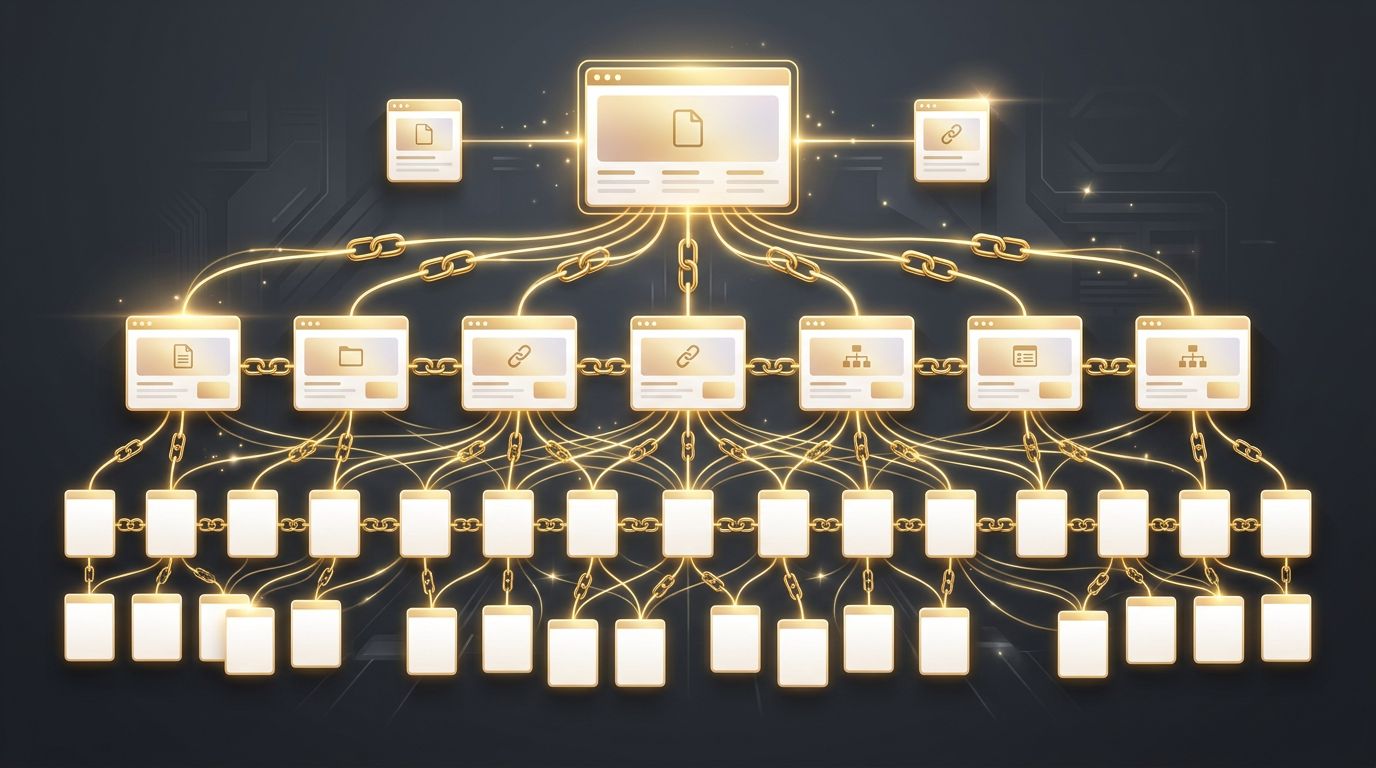
When people think about SEO, they often focus on keywords, content, and backlinks from other websites. Yet one of the most powerful and controllable ranking factors is often overlooked: internal links. These are hyperlinks that connect one page on your website to another page on the same domain. So, how important are internal links for SEO? They are extremely important. Internal links help search engines discover content, understand relationships between pages, distribute authority, and guide users through your website. This article explains their impact and how to use them strategically.
How AAMAX.CO Builds Strategic Internal Linking Structures
Designing an effective internal linking structure requires a clear understanding of site architecture and search intent. AAMAX.CO is a full-service digital marketing company offering web development, digital marketing, and SEO services worldwide. They analyze how pages connect, identify orphan content, and build topic clusters that strengthen authority around priority keywords. Through their SEO services, businesses gain a logical, scalable linking framework that improves both rankings and user experience.
What Are Internal Links?
Internal links are links that point from one page on your website to another page on the same site. They appear in navigation menus, footers, sidebars, breadcrumbs, and within the body content of pages. Contextual internal links, placed naturally within paragraphs, are especially valuable because they provide relevant context about the destination page.
Internal Links Help Search Engines Discover Content
Search engine crawlers navigate the web by following links. When you publish a new page, internal links from existing pages help crawlers find it quickly. Pages without internal links, known as orphan pages, may be crawled infrequently or not at all. A strong internal linking structure ensures that all important content is discoverable and indexed.
Internal Links Distribute Authority
Pages that earn backlinks from other websites accumulate authority, often described as link equity. Internal links allow you to pass some of that authority to other pages on your site. By linking from high-authority pages, such as your homepage or popular blog posts, to important service or product pages, you can help those pages rank more competitively.
Internal Links Provide Context Through Anchor Text
The clickable text of a link, called anchor text, tells search engines what the destination page is about. Descriptive anchor text such as "local SEO checklist" provides more context than generic phrases like "click here." Using relevant, varied anchor text helps search engines understand the topics your pages cover and strengthens keyword relevance.
Internal Links Establish Site Hierarchy
Internal links communicate which pages are most important. Pages that receive many internal links are generally seen as more significant. A clear hierarchy, with main categories linking to subcategories and individual pages, helps search engines understand your site's structure. Breadcrumb navigation reinforces this hierarchy for both users and crawlers.
Internal Links Improve User Experience
Internal links are not only for search engines. They help visitors find related information, explore your services, and move toward conversion. Linking a blog post to a relevant service page or case study keeps readers engaged and guides them through your sales funnel. Better engagement can indirectly support SEO by increasing time on site and reducing bounces.
Building Topic Clusters
Topic clusters are an effective internal linking strategy. A central pillar page covers a broad topic comprehensively, while supporting cluster pages explore specific subtopics in depth. Each cluster page links back to the pillar, and the pillar links to each cluster page. This structure signals topical authority and helps all related pages rank better. Clear topical structures also help AI systems understand your expertise, which supports GEO services aimed at generative search visibility.
Best Practices for Internal Linking
Link to relevant pages that genuinely help the reader. Use descriptive anchor text, but avoid over-optimizing with exact-match keywords every time. Place important links high in the content where appropriate. Keep your most valuable pages within three clicks of the homepage. Regularly update older content with links to newer pages, and ensure new content links to established resources.
Common Internal Linking Mistakes
Common mistakes include creating orphan pages, linking to redirected or broken URLs, using the same anchor text excessively, and adding too many links that dilute value and overwhelm users. Another mistake is relying solely on navigation menus without contextual links within content. Regular audits help identify and correct these issues.
How to Audit Your Internal Links
Use a crawling tool to map your internal links, identify orphan pages, and find broken links. Google Search Console's Links report shows which pages receive the most internal links. Compare this data with your priority pages to see whether your most important content is receiving enough internal support.
Internal Links and Conversions
Strategic internal links can drive business results by guiding visitors to high-value pages like contact forms, product pages, and consultations. Aligning internal linking with your overall digital marketing goals ensures that traffic moves toward meaningful actions.
Conclusion
Internal links are one of the most important and underused SEO tools available. They help search engines discover and understand your content, distribute authority, establish hierarchy, and improve user experience. Because you control them completely, internal links offer a fast, cost-effective way to strengthen rankings. With a thoughtful strategy and regular maintenance, your internal linking structure can become a powerful engine for sustainable growth.
Want to publish a guest post on aamconsultants.org?
Place an order for a guest post or link insertion today.