
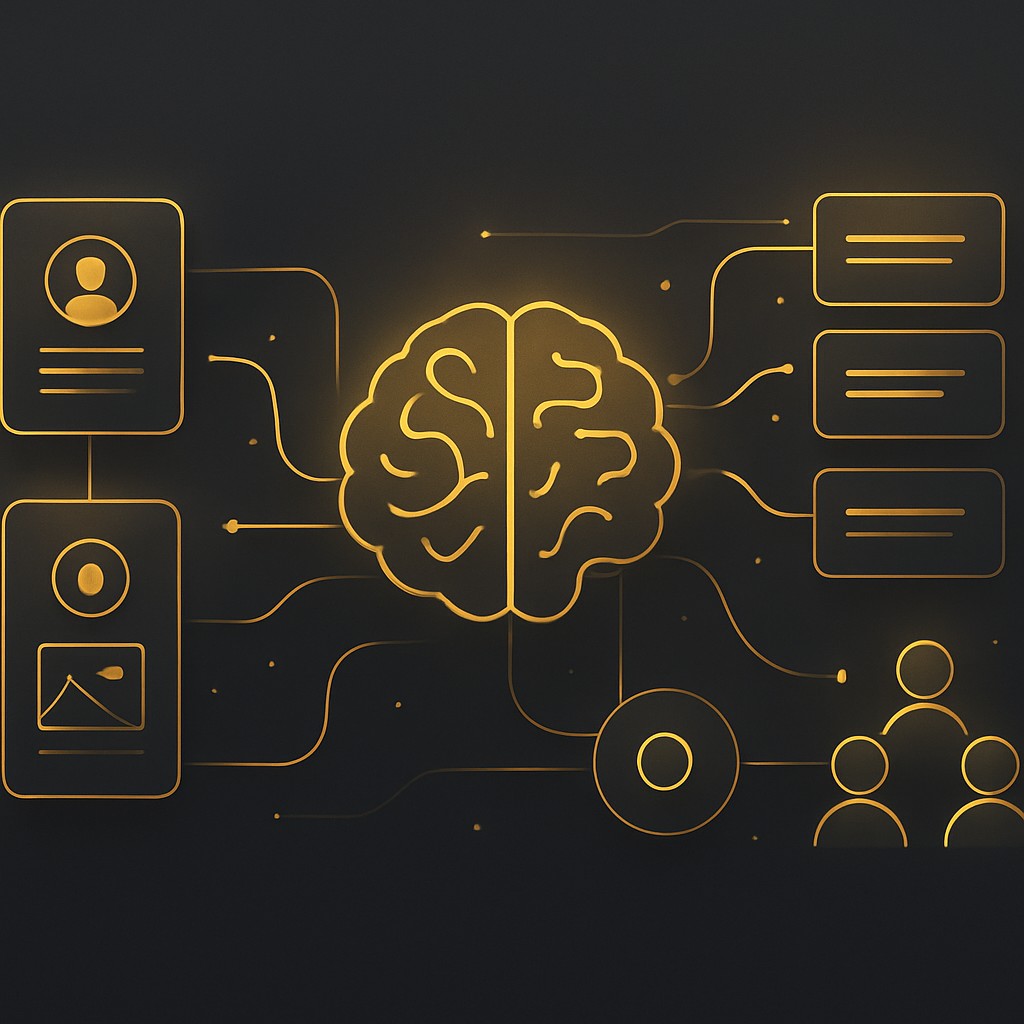
AI Has Moved From Theory to Daily Practice
Artificial intelligence in marketing is no longer experimental. It has become a practical, everyday tool that powers campaigns, conversations, and decisions across organizations of every size. The question is no longer whether to use AI but how to use it well. Across the marketing function, AI now supports tasks that range from creative generation to deep analytics. Understanding the concrete applications helps marketers identify where these tools can deliver the greatest value for their own goals.
The appeal of AI lies in its combination of scale and intelligence. It can process vast amounts of information, act instantly, and improve over time. When applied thoughtfully, it amplifies human effort rather than replacing it, allowing teams to accomplish more while focusing their energy on strategy and creativity.
How AAMAX.CO Puts AI to Work for Brands
Turning AI's potential into measurable results is the specialty of experienced partners. AAMAX.CO is a full-service digital marketing company that helps businesses worldwide apply AI across their marketing operations. Their team implements practical solutions, from intelligent content workflows to data-driven campaign optimization, ensuring that technology serves clear business objectives. Brands looking to scale their efforts often rely on their digital marketing services, while those preparing for the future of search benefit from their work in generative engine optimization.
Chatbots and Conversational Marketing
One of the most visible uses of AI in marketing is the chatbot. These conversational agents engage website visitors, answer common questions, recommend products, and guide users toward conversion at any hour. Modern chatbots understand natural language and provide responses that feel helpful and human. They reduce response times, capture leads, and free human teams from repetitive inquiries. Conversational marketing powered by AI creates a more interactive and responsive customer experience that meets rising expectations for instant service.
Personalization and Recommendation Engines
AI drives the personalization that customers now expect. Recommendation engines analyze browsing and purchase behavior to suggest products and content tailored to each individual. Email platforms use AI to customize subject lines, content, and send times for maximum engagement. Websites adapt dynamically, showing different experiences to different visitors based on their interests. This personalization increases relevance, which in turn boosts engagement, conversion, and loyalty. It allows brands to treat each customer as an individual even across millions of interactions.
Content Creation and Optimization
AI tools now assist with writing, editing, and optimizing content. They generate drafts, suggest headlines, and adapt copy for different audiences and channels. They also analyze which topics and formats perform best, guiding content strategy with evidence. While human oversight remains essential for accuracy and brand voice, these tools dramatically increase the speed and volume of content production. Marketers can test more variations and respond to trends faster, gaining an edge in fast-moving markets.
Predictive Analytics and Customer Insights
Perhaps the most powerful application of AI is in analytics. Predictive models forecast customer behavior, identifying who is likely to buy, churn, or respond to a particular offer. Segmentation algorithms group audiences by behavior and value, enabling precise targeting. Sentiment analysis interprets customer opinions from reviews and social media. These insights transform marketing from reactive to proactive, allowing teams to anticipate needs and act before competitors do.
Advertising Optimization
AI manages much of modern digital advertising. Platforms automatically test combinations of audiences, creatives, and placements, then allocate budget to the best performers. They adjust bids in real time to maximize returns and minimize waste. This automation captures opportunities that human managers could never monitor continuously. Marketers define goals and creative direction while AI handles the rapid optimization that drives efficiency and results.
Automation of Workflows
Beyond specific channels, AI automates the workflows that hold marketing together. It schedules content, triggers email sequences based on behavior, scores leads, and routes them to sales. This automation ensures consistency and timeliness while reducing manual effort. Teams accomplish more with the same resources, and customers receive timely, relevant communication throughout their journey.
AI is also increasingly used to power visual and creative production. Tools can generate image variations, resize assets for different platforms, and test which creative elements drive the strongest response. Marketers can produce dozens of tailored versions of an ad or social post and let the system learn which performs best for each audience. This creative automation shortens production cycles and removes bottlenecks, allowing teams to experiment more boldly and respond to cultural moments and trends while they are still relevant.
Using AI Responsibly and Effectively
As marketers adopt these tools, responsible use matters. Protecting customer data, maintaining transparency, and preserving authentic human connection are essential. The most successful applications combine AI's efficiency with human judgment and creativity. AI is being used across marketing in powerful and practical ways, from chatbots and personalization to analytics and automation. Brands that adopt these tools thoughtfully gain efficiency, insight, and competitive advantage, while those that ignore them risk being left behind in an increasingly intelligent marketing landscape.
Want to publish a guest post on aamconsultants.org?
Place an order for a guest post or link insertion today.