
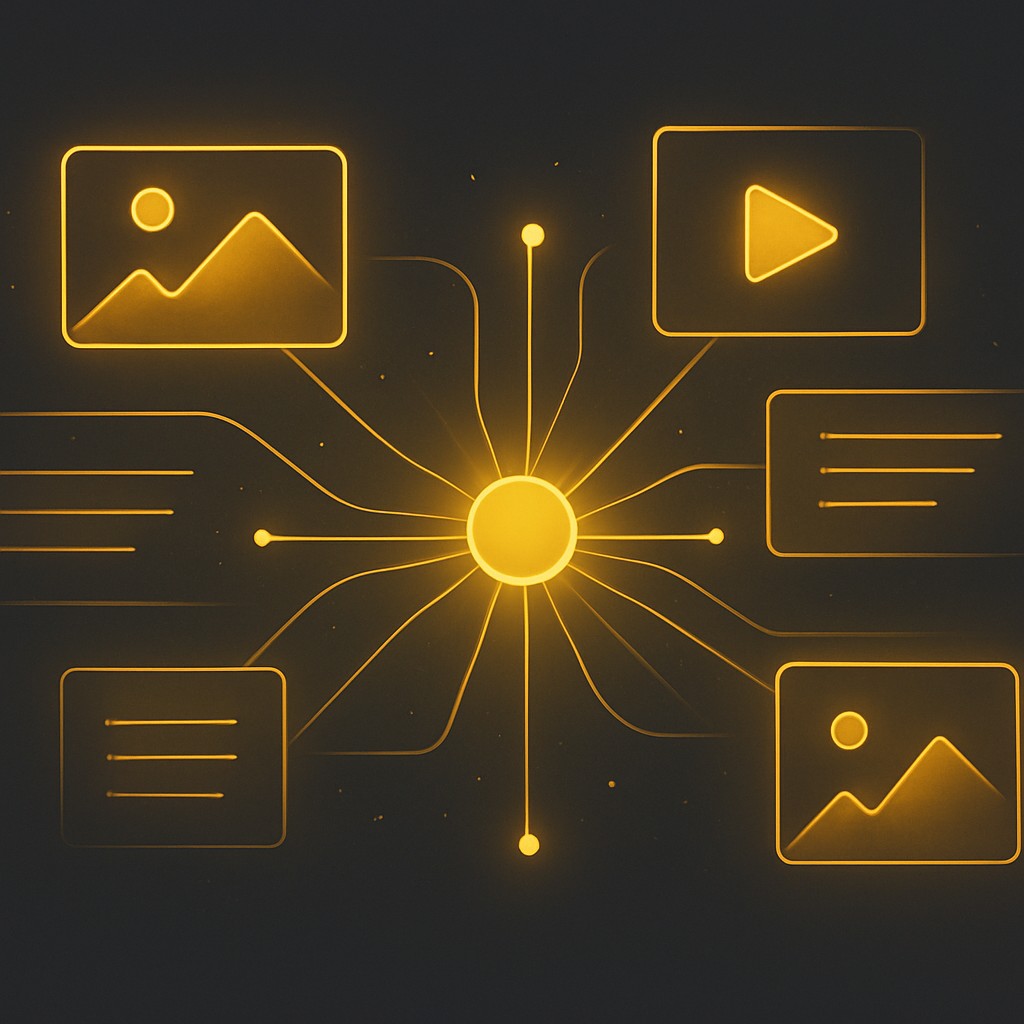
Generative artificial intelligence has rapidly become one of the most exciting tools in the marketing world. Unlike earlier AI that mainly analyzed data, generative AI creates new content, including text, images, video, and audio. This capability is changing how marketers produce campaigns, communicate with audiences, and scale their creative output. Understanding how generative AI is used in marketing reveals both its remarkable potential and the considerations businesses must keep in mind.
Creating Smarter Campaigns With AAMAX.CO
Harnessing generative AI effectively requires creative strategy and technical know-how. AAMAX.CO helps brands worldwide use generative AI to produce compelling campaigns through expert digital marketing services. Their team blends generative tools with human creativity to develop content that is both efficient to produce and authentic to the brand. As a full-service company, they ensure that AI-generated material aligns with strategy and resonates with real audiences.
Generating Written Content
The most widespread use of generative AI in marketing is creating written content. Marketers use it to draft blog posts, social media captions, email campaigns, ad copy, and product descriptions. Generative tools can produce multiple variations quickly, allowing teams to test different approaches and find what resonates. This dramatically speeds up content production, though human editing remains essential to ensure accuracy, tone, and brand consistency.
Creating Visual Assets
Generative AI is also transforming visual content creation. Tools can generate images, illustrations, and graphics based on simple text descriptions, eliminating the need to source or commission every visual from scratch. Marketers use these capabilities to create eye-catching social posts, ad creatives, and website imagery. This lowers production costs and accelerates campaigns, enabling brands to maintain a steady stream of fresh, engaging visuals.
Producing Video and Audio
Beyond text and images, generative AI now produces video and audio content. It can create short promotional clips, generate voiceovers, and even produce music for advertisements. This opens new possibilities for brands that previously lacked the resources for professional video production. While generative video is still maturing, it already allows marketers to experiment with formats that were once prohibitively expensive or time-consuming.
Personalizing Content at Scale
Generative AI excels at personalization. It can produce countless variations of a message tailored to different audience segments, regions, or individual preferences. A single campaign can be adapted into many versions automatically, each speaking directly to a specific group. This level of personalized content production was impossible to achieve manually, and it helps brands deliver more relevant, engaging experiences across diverse audiences.
Accelerating Idea Generation
Marketers also use generative AI as a brainstorming partner. It can suggest campaign concepts, headlines, taglines, and creative angles in seconds. This accelerates the ideation process and helps teams overcome creative blocks. Rather than starting from a blank page, marketers can use AI-generated ideas as a springboard, refining and combining them into polished, original campaigns that reflect their brand's unique voice.
Benefits and Efficiency Gains
The benefits of generative AI in marketing are substantial. It reduces production time, lowers costs, and enables greater experimentation. Teams can produce more content, test more ideas, and respond to trends faster. These efficiency gains are especially valuable for smaller businesses with limited resources, allowing them to compete with larger competitors by producing professional-quality content at scale.
Limitations and Responsible Use
Despite its power, generative AI has limitations. It can produce inaccurate or generic content if used without oversight, and it may raise questions about originality and authenticity. Brands must review AI-generated material carefully to ensure quality and avoid errors. Responsible use also means being transparent and maintaining a genuine human voice. The goal is to use generative AI as a tool that enhances creativity rather than replacing the human judgment that builds trust.
Conclusion
Generative AI is used in marketing to create written content, visuals, video, and personalized campaigns at remarkable speed and scale. It accelerates production, sparks ideas, and lowers costs, giving businesses powerful new creative capabilities. However, success depends on combining these tools with human oversight and authentic strategy. With the right expertise, brands can harness generative AI to produce compelling, effective marketing that connects with audiences while maintaining quality and trust.
Want to publish a guest post on aamconsultants.org?
Place an order for a guest post or link insertion today.