
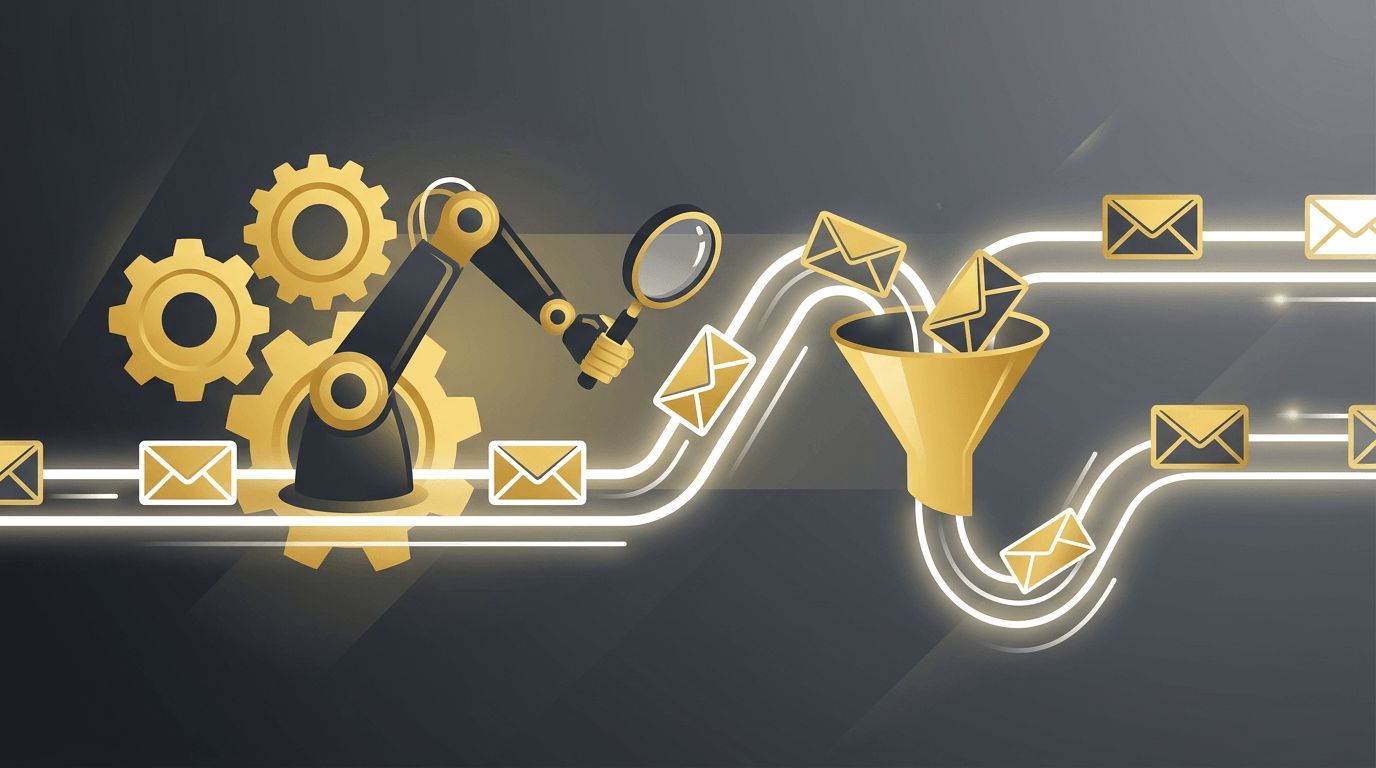
Marketing automation platforms help businesses send personalized emails, score leads, trigger workflows, and track customer journeys without manual effort. SEO, on the other hand, attracts visitors by earning visibility in search results. At first glance, these may seem like separate disciplines. In reality, they are deeply connected. SEO fills the top of the funnel with qualified visitors, while automation turns those visitors into leads and customers. Many SEO tasks themselves can also be automated. In this article, we explore how SEO is a part of marketing automation and how combining the two creates a more efficient growth engine.
How AAMAX.CO Connects SEO and Automation
AAMAX.CO is a full-service digital marketing company offering web development, digital marketing, and SEO services worldwide. They help businesses connect organic search with marketing automation, ensuring that visitors who arrive from search are captured, segmented, and nurtured effectively. Their team integrates analytics, CRM systems, and automation platforms with SEO strategies so that clients can see the full journey from first search to final sale. This integrated approach maximizes the value of every organic visitor.
Understanding Marketing Automation
Marketing automation uses software to manage repetitive marketing tasks and deliver personalized experiences at scale. Common capabilities include email workflows, lead capture forms, lead scoring, behavioral tracking, segmentation, CRM integration, and reporting. The goal is to deliver the right message to the right person at the right time based on their behavior and interests.
Automation depends on a steady flow of new contacts. Without traffic, there is no one to nurture. This is where SEO becomes essential.
SEO as the Traffic Engine for Automation
Organic search provides a consistent, cost-effective source of visitors who are actively looking for information or solutions. When someone finds a blog post, guide, or product page through search, they enter your marketing ecosystem. Automation tools can then track their behavior, capture their information through forms or content offers, and deliver relevant follow-up messages.
For example, a visitor who reads an article about improving website speed might download a checklist in exchange for their email address. Automation then sends a series of emails with related tips, case studies, and an invitation to request a consultation. SEO attracted the visitor, and automation nurtured them.
Using SEO Insights to Personalize Automation
SEO data reveals what your audience is searching for and which topics interest them most. Keyword research uncovers pain points, questions, and buying signals. These insights can guide the content of automated email sequences, lead magnets, and personalized website experiences.
Behavioral data also matters. If a contact repeatedly visits pages about a specific service, automation can tag them with that interest and send tailored content. Organic landing pages can be mapped to specific workflows so that each visitor receives messages that match their intent.
SEO Tasks That Can Be Automated
Many SEO activities benefit from automation:
Rank tracking. Tools automatically monitor keyword positions and alert you to significant changes.
Site audits. Scheduled crawls detect broken links, missing metadata, slow pages, and indexing issues.
Reporting. Dashboards pull data from analytics and Search Console to create automated performance reports.
Content alerts. Automation can flag outdated content, declining pages, or new keyword opportunities.
Backlink monitoring. Tools notify you of new or lost links and potential spam.
Technical tasks. Sitemaps, schema generation, image compression, and internal linking suggestions can be automated through plugins and scripts.
Automation saves time, but strategy, content quality, and relationship-based link building still require human expertise.
Aligning Content Strategy With Automated Funnels
Effective integration starts with mapping content to the buyer's journey. Top-of-funnel content attracts visitors with informational searches. Middle-of-funnel content, such as comparison guides and case studies, helps prospects evaluate options. Bottom-of-funnel content, like pricing pages and demos, drives conversions. Automation workflows should guide contacts from one stage to the next, using SEO-optimized content as the resources shared in emails and nurture campaigns.
Measuring the Combined Impact
When SEO and automation are connected, you can measure the full value of organic search. Track how many leads originate from organic traffic, how those leads move through workflows, and how many convert into customers. Attribute revenue back to specific landing pages and keywords. These insights help you prioritize SEO efforts based on actual business impact rather than traffic alone.
A data-driven approach to SEO services uses these insights to focus on the keywords and content that generate the most qualified leads.
Common Integration Challenges
Challenges include disconnected tools, inconsistent tracking, poorly designed lead capture forms, and generic nurture emails. Ensure your analytics, CRM, and automation platforms are integrated. Use UTM parameters and consistent tracking. Create content offers that align with search intent. Personalize workflows based on the topics visitors explore.
Strong integration between channels is a hallmark of effective digital marketing, where each channel supports the others.
Final Thoughts
SEO is a vital part of marketing automation because it provides the qualified traffic that automation systems need to function. Search insights inform personalization, optimized content fuels nurture campaigns, and many SEO tasks can themselves be automated for efficiency. By connecting organic search with automated workflows, businesses can attract, engage, and convert customers more effectively, turning every search visit into an opportunity for long-term growth.
Want to publish a guest post on aamconsultants.org?
Place an order for a guest post or link insertion today.