
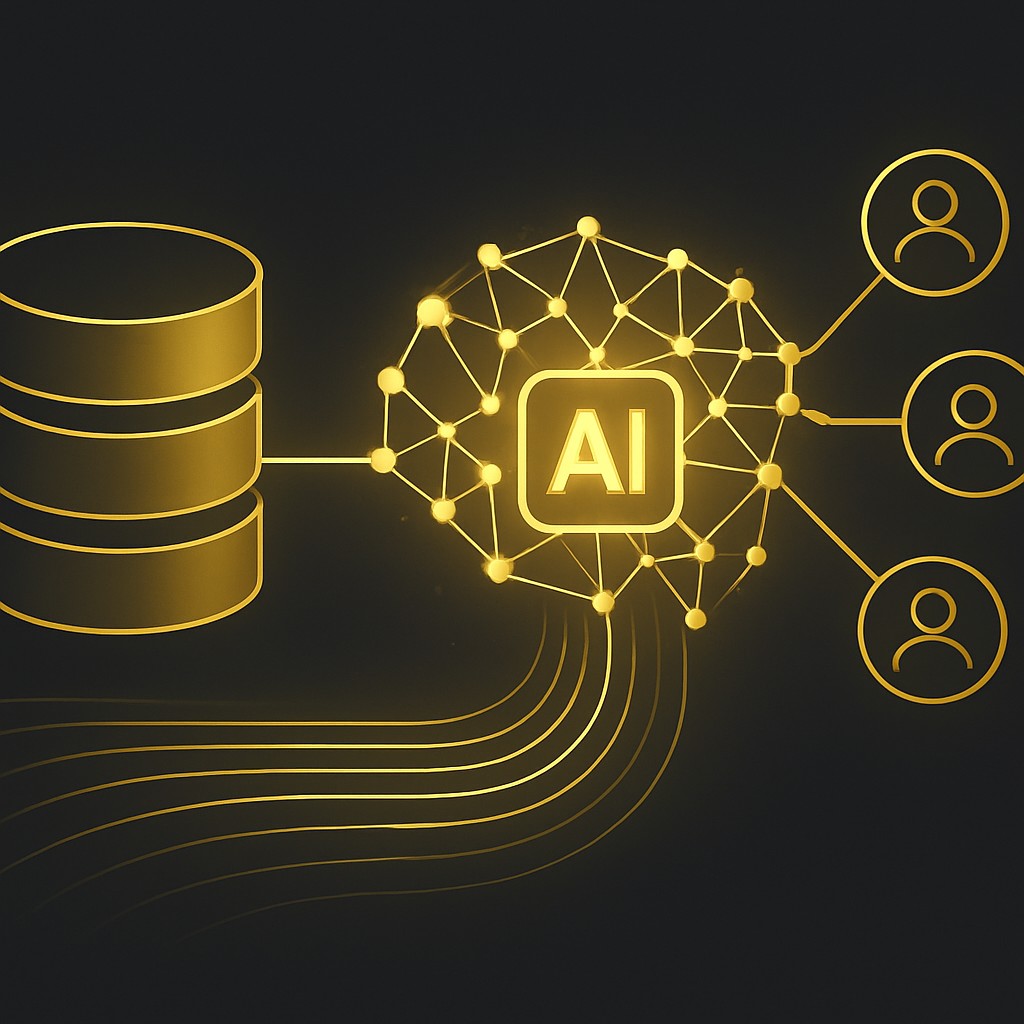
Personalization has become the expectation rather than the exception in modern marketing. Customers want communications that recognize who they are, what they care about, and where they are in their journey. The fuel for this personalization is data, and the engine that activates it is artificial intelligence. When marketers combine the rich customer information stored in their CRM with the analytical and generative power of AI, they unlock the ability to deliver campaigns that feel individually crafted, even when reaching thousands of people. This combination is one of the most impactful developments in marketing today.
How AAMAX.CO Connects CRM Data and AI
Bringing CRM data and AI together effectively requires both technical skill and marketing strategy, which is exactly what AAMAX.CO provides. As a full-service digital marketing company serving clients worldwide, they help businesses integrate their customer data with AI-powered tools to build personalized campaigns that perform. Their team handles the complexity of data preparation, segmentation, and campaign automation so businesses can focus on results. For companies sitting on valuable CRM data they have not fully activated, their expertise turns that dormant asset into a powerful engine for growth.
Why CRM Data Is the Foundation
Your CRM holds a wealth of information: purchase history, engagement patterns, demographic details, support interactions, and behavioral signals. This data is the raw material of personalization. On its own, however, CRM data is often underused, sitting in databases without driving meaningful action. The challenge has always been transforming this static information into dynamic, personalized experiences at scale. This is precisely the gap that AI fills, turning stored data into living intelligence that powers every customer interaction.
How AI Activates CRM Data
AI takes the information in your CRM and makes it actionable in real time. It analyzes patterns across thousands of customer records to identify segments, predict behaviors, and recommend actions. For example, AI can determine which customers are likely to make a repeat purchase, which are at risk of churning, and which would respond best to a particular offer. It then uses these insights to automatically tailor messaging, timing, and channel selection for each individual. The result is personalization that adapts continuously as customer behavior evolves.
Building Dynamic Customer Segments
Traditional segmentation divides customers into broad, static groups. AI enables dynamic segmentation that updates automatically as new data flows in. A customer who browses a product, opens an email, or makes a purchase can instantly move into a different segment with tailored messaging. This fluid approach ensures that campaigns always reflect the customer's current situation rather than an outdated snapshot. Marketers can create micro-segments that would be impossible to manage manually, each receiving relevant, timely communication.
Personalizing Content and Offers
With CRM data and AI working together, marketers can personalize nearly every element of a campaign. Email content can adapt to individual interests, product recommendations can reflect past behavior, and offers can be calibrated to each customer's likelihood of converting. AI can even generate personalized copy variations for different segments, ensuring the tone and message resonate with each group. This level of tailoring drives significantly higher engagement, because customers respond to communications that feel genuinely relevant to them.
Predicting and Preventing Churn
One of the most valuable applications is churn prevention. By analyzing CRM data, AI identifies early warning signs that a customer may disengage, such as declining activity or reduced purchases. Marketers can then trigger targeted retention campaigns, offering incentives or re-engagement messages before the customer is lost. This proactive approach protects revenue and strengthens relationships, turning data signals into timely interventions that would otherwise go unnoticed until it was too late.
Optimizing Timing and Channels
AI does not just personalize what you say; it personalizes when and where you say it. By analyzing when each customer is most likely to engage and which channels they prefer, AI ensures messages arrive at the optimal moment through the right medium. This timing optimization can dramatically improve open rates, click rates, and conversions. Combined with a strong overall digital marketing strategy, this orchestration across channels creates a seamless, personalized experience that feels effortless to the customer.
Measuring and Refining Performance
The combination of CRM data and AI also improves measurement. AI tracks how personalized campaigns perform across segments, identifies what works, and continuously refines the approach. This creates a virtuous cycle where each campaign generates data that makes the next one smarter. Over time, the system becomes increasingly accurate at predicting what each customer wants, compounding the returns on your personalization efforts.
Conclusion
Combining CRM data with AI represents a fundamental shift in how marketers create personalized campaigns. CRM data provides the foundation of customer knowledge, while AI transforms that knowledge into dynamic, real-time personalization at scale. Together, they enable marketers to deliver the relevant, timely experiences that customers now expect, driving stronger engagement, loyalty, and revenue. For businesses sitting on valuable customer data, the opportunity is enormous, and the time to activate it with AI is now.
Want to publish a guest post on aamconsultants.org?
Place an order for a guest post or link insertion today.