
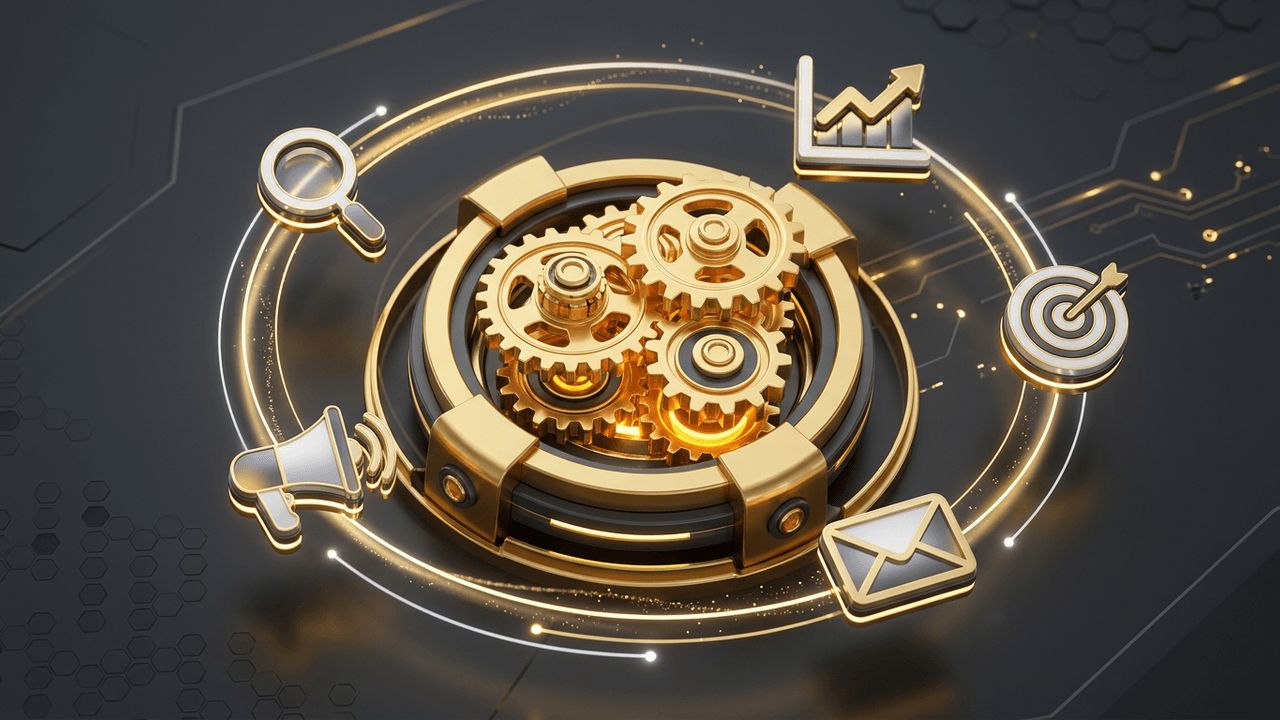
Search engine optimization is often discussed as a standalone discipline, but it is most powerful when integrated into a broader digital marketing strategy. Digital marketing encompasses every online channel a business uses to reach and convert customers, including social media, email, paid advertising, content marketing, and more. SEO sits at the heart of this ecosystem because it connects businesses with people actively searching for solutions. When SEO and digital marketing work together, each channel strengthens the others, creating a cohesive system that drives visibility, trust, and revenue. This article explores how these disciplines complement one another and how to build an integrated strategy.
How AAMAX.CO Integrates SEO Into Full-Funnel Marketing
Businesses achieve the best results when all marketing channels share data and goals. AAMAX.CO is a full-service digital marketing company offering web development, digital marketing, and SEO services worldwide. They build integrated strategies where search insights inform paid campaigns, content fuels social and email marketing, and website development supports conversions. Their digital marketing services, combined with their SEO services, give brands a unified approach that maximizes every marketing investment.
Understanding the Relationship
SEO is a component of digital marketing focused on earning organic visibility in search engines. Digital marketing is the umbrella that includes SEO along with other online channels. While SEO drives long-term organic traffic, other channels deliver immediate reach, nurture relationships, and amplify content. Together, they guide customers through every stage of the buying journey.
How SEO Supports Other Digital Marketing Channels
Content Marketing
SEO and content marketing are inseparable. Keyword research reveals what audiences want to learn, guiding content creation. Optimized content attracts organic traffic over time, while content marketing provides the substance that SEO needs to rank. A well-optimized blog post can serve as a foundation for social posts, email newsletters, and video scripts.
Paid Advertising
SEO and pay-per-click advertising share valuable insights. Keyword data from paid campaigns reveals which terms convert best, informing SEO priorities. Conversely, organic research uncovers keywords that can be tested in paid campaigns. Running both organic and paid listings for important keywords increases total visibility and click share. Optimized landing pages also improve quality scores, lowering advertising costs.
Social Media Marketing
Social media amplifies SEO content, helping it reach wider audiences and earn backlinks. In turn, SEO insights reveal topics that resonate with audiences, guiding social content strategy. Social platforms also function as search engines, where optimization principles apply to captions, hashtags, and video descriptions.
Email Marketing
SEO-driven content attracts visitors who can be converted into email subscribers through lead magnets and newsletter sign-ups. Email campaigns then drive repeat visits to new content, increasing engagement. Popular email topics can also inform future SEO content.
Conversion Rate Optimization
SEO brings visitors, but conversion rate optimization ensures they take action. Improving page design, calls to action, and user experience increases conversions from organic traffic. Many CRO improvements, such as faster pages and clearer content, also support SEO.
Public Relations and Brand Building
Digital PR campaigns earn media coverage and authoritative backlinks, which strengthen SEO. Brand building efforts increase branded searches and recognition, which further enhance search performance and click-through rates.
How Digital Marketing Supports SEO
The relationship is reciprocal. Digital marketing activities strengthen SEO by:
- Driving traffic and engagement to new content.
- Generating backlinks through content promotion and PR.
- Building brand awareness that leads to branded searches.
- Providing data on audience preferences and behavior.
- Creating multiple touchpoints that reinforce trust.
Shared Data Drives Better Decisions
Integrated marketing relies on shared data. Analytics platforms reveal how users interact across channels, helping identify which combinations drive conversions. For example, a user might discover a brand through a social post, return via organic search, and convert after receiving an email. Understanding these multi-touch journeys allows businesses to allocate budgets more effectively and avoid undervaluing SEO's role in assisted conversions.
Building an Integrated SEO and Digital Marketing Strategy
- Align goals: Ensure all channels work toward shared business objectives such as leads, sales, or brand awareness.
- Develop unified audience personas: Use consistent customer insights across channels.
- Create a shared content calendar: Coordinate content creation and distribution across SEO, social, email, and paid channels.
- Repurpose high-performing content: Adapt successful content into multiple formats.
- Use consistent messaging: Maintain brand voice and positioning across touchpoints.
- Track cross-channel performance: Use attribution models to understand how channels contribute together.
- Foster collaboration: Encourage communication between SEO, content, social, paid media, and development teams.
The Role of AI in Integrated Marketing
AI-powered search and marketing tools are transforming how businesses reach customers. AI-generated search answers, personalized recommendations, and automated campaigns require consistent, high-quality information across all channels. Integrated strategies ensure that brand messaging, content, and authority signals are aligned, increasing visibility in both traditional search results and AI-driven experiences.
Common Pitfalls of Siloed Marketing
When SEO and other marketing channels operate separately, businesses often experience inconsistent messaging, duplicated efforts, wasted budget, and missed opportunities. Paid campaigns may target keywords already ranking organically without strategic coordination, and valuable content may go unpromoted. Integration eliminates these inefficiencies.
Conclusion
SEO and digital marketing work together as interconnected parts of a unified growth strategy. SEO provides sustainable organic visibility and audience insights, while other digital marketing channels amplify content, accelerate reach, and nurture conversions. By aligning goals, sharing data, coordinating content, and fostering collaboration, businesses can create a marketing ecosystem where every channel strengthens the others, driving long-term success.
Want to publish a guest post on aamconsultants.org?
Place an order for a guest post or link insertion today.