
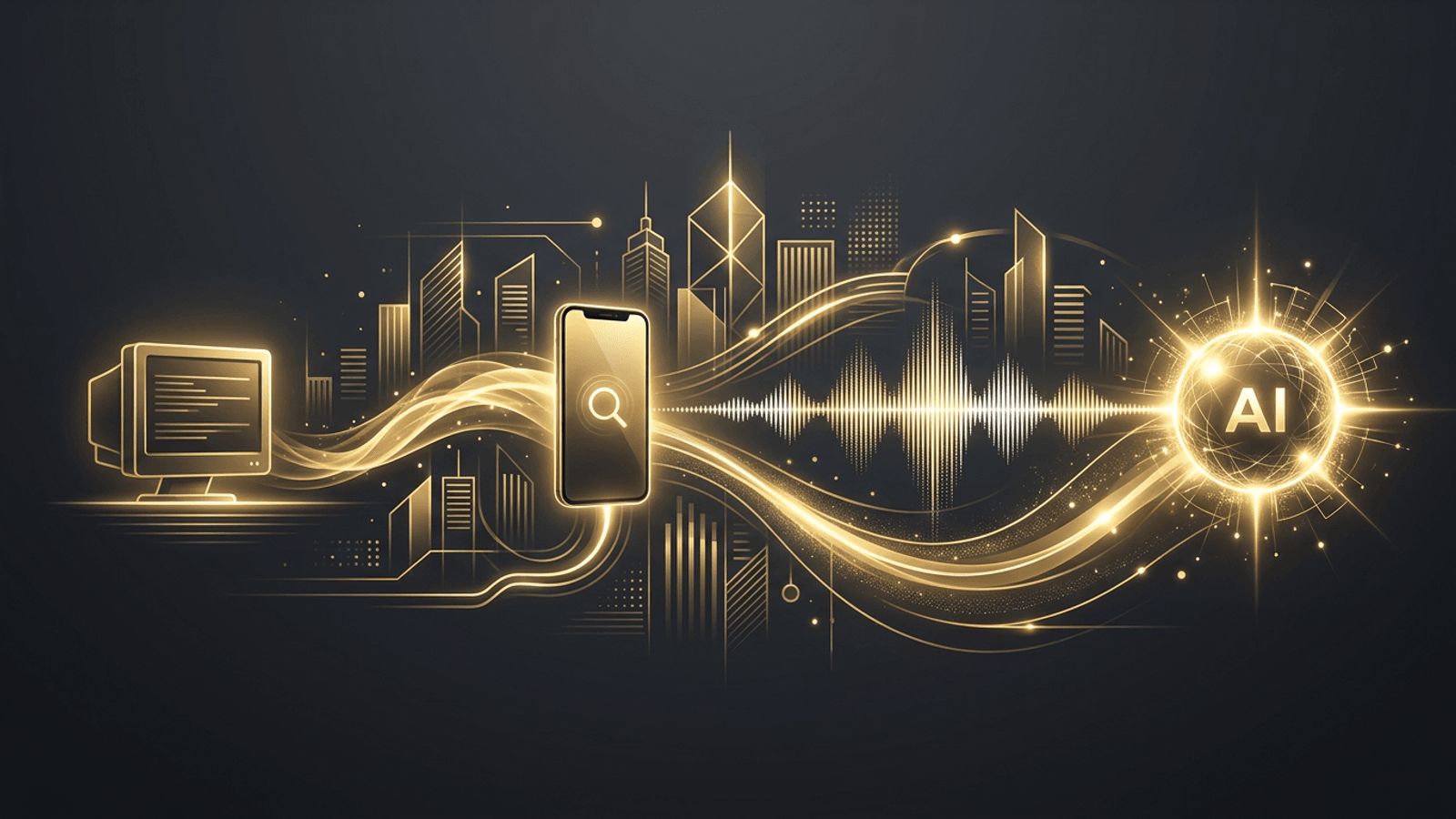
Search engine optimization has transformed dramatically over the past two decades. What began as a technical trick for gaming early search algorithms has become a core business discipline tied to customer experience, brand reputation, and revenue growth. For business owners, understanding how SEO has changed is essential. Strategies that worked a decade ago can be ineffective or even harmful today, while new opportunities have emerged that did not exist just a few years ago.
How AAMAX.CO Helps Businesses Adapt to Modern SEO
Keeping up with constant search changes is difficult for busy business owners. AAMAX.CO is a full-service digital marketing company that offers web development, digital marketing, and SEO services worldwide. Their team stays ahead of algorithm updates, AI search developments, and evolving user behavior so businesses do not have to. They build modern strategies grounded in technical excellence, helpful content, and authority building. Companies that rely on their SEO services gain a partner that adapts quickly and keeps their visibility strong as search continues to evolve.
From Keyword Stuffing to Search Intent
In the early days, businesses could rank simply by repeating keywords over and over in their content and meta tags. Search engines relied heavily on keyword frequency to determine relevance. Today, algorithms understand language, context, and intent. Google's advances in natural language processing allow it to interpret what searchers mean, not just what they type. Businesses now succeed by creating content that genuinely answers questions and satisfies the intent behind a search.
From Link Quantity to Link Quality
Backlinks have always been important, but how they are evaluated has changed. In the past, businesses bought links in bulk or submitted their sites to hundreds of directories. Algorithm updates like Penguin targeted these manipulative tactics. Now, a few links from respected, relevant websites carry far more value than thousands of low-quality links. Earning links through valuable content, partnerships, and digital PR is the modern approach.
The Rise of Mobile-First Search
The explosion of smartphone use reshaped SEO. Google shifted to mobile-first indexing, meaning it primarily evaluates the mobile version of a website. Businesses with slow, poorly designed mobile sites lost visibility, while those with responsive, fast, and user-friendly experiences gained ground. Mobile searches also fueled the growth of local SEO, as people increasingly search for nearby businesses on the go.
User Experience Became a Ranking Factor
Search engines now consider how users experience a website. Page speed, mobile usability, secure HTTPS connections, and Core Web Vitals all play roles in rankings. A site that loads slowly or shifts unexpectedly frustrates users and can lose visibility. For businesses, this means SEO and web development have become closely intertwined.
Expertise and Trust Matter More Than Ever
Google's emphasis on experience, expertise, authoritativeness, and trustworthiness has changed how businesses approach content. Thin articles written purely for search engines struggle to rank. Instead, content should demonstrate real knowledge, include author credentials where relevant, cite reliable sources, and offer original insights. This is especially critical in industries such as health, finance, and law.
Local SEO Became Essential
For small and local businesses, the Google Business Profile has become one of the most important digital assets. Reviews, photos, accurate business information, and regular updates influence whether a business appears in the local map pack. Many customers now choose businesses directly from map results without ever visiting a website.
Zero-Click Searches and SERP Features
Search results pages have become richer and more interactive. Featured snippets, knowledge panels, People Also Ask boxes, video carousels, and shopping results often answer queries directly. This has led to more zero-click searches, where users find what they need without visiting a website. Businesses must now optimize not only for clicks but also for visibility within these features.
AI Is Reshaping Search
The most significant recent shift is the rise of AI-powered search. Google's AI Overviews and conversational AI assistants summarize information from many sources and present direct answers. This has created a new discipline focused on ensuring brands are cited and recommended within AI-generated responses. Businesses that publish clear, authoritative, well-structured content are better positioned to appear in these answers. At the same time, AI tools have changed how SEO work is done, accelerating research, analysis, and content production.
SEO Is Now Integrated With All Marketing
SEO no longer operates in isolation. It connects with content marketing, social media, public relations, paid advertising, and customer experience. Brand strength influences search performance, and search insights shape marketing strategy. Businesses that integrate SEO with their broader digital marketing efforts see stronger, more consistent results across every channel.
What This Means for Businesses Today
Modern SEO requires a long-term commitment to quality. Businesses should focus on understanding their customers, creating genuinely helpful content, maintaining technically sound websites, building real authority, and adapting to new search formats. Shortcuts that once worked now carry risk, while authentic value consistently wins.
Conclusion
SEO has changed from a set of technical tricks into a holistic business strategy centered on users, quality, and trust. The shift from keywords to intent, from link quantity to quality, from desktop to mobile, and from traditional results to AI-driven answers has reshaped how businesses compete online. Companies that embrace these changes and invest in sustainable practices are best positioned to thrive in the evolving world of search.
Want to publish a guest post on aamconsultants.org?
Place an order for a guest post or link insertion today.