
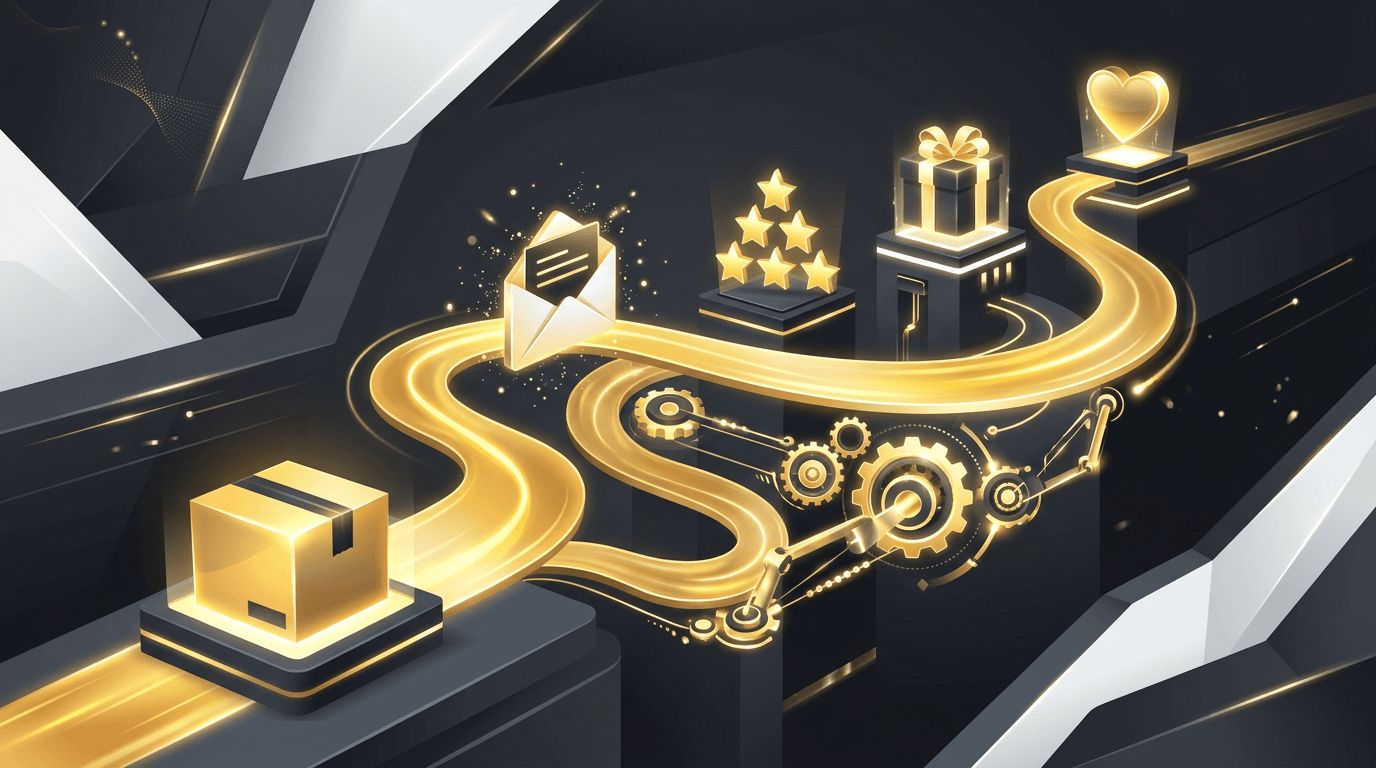
Many businesses invest heavily in acquiring customers but give little thought to what happens after the purchase. Yet the post-purchase phase is where loyalty is built, repeat revenue is earned, and customers become advocates. Acquiring a new customer typically costs far more than retaining an existing one, so nurturing relationships after the sale is one of the most profitable strategies available. Marketing automation makes it possible to deliver timely, personalized experiences to every customer at scale. This guide explains how to build a post-purchase customer journey in marketing automation, step by step.
How AAMAX.CO Helps Businesses Maximize Customer Lifetime Value
Businesses that want to turn first-time buyers into loyal customers can work with AAMAX.CO, a full-service digital marketing company offering web development, digital marketing, and SEO services worldwide. They design automated post-purchase journeys that integrate with ecommerce platforms and CRMs, delivering personalized messages that drive repeat purchases and reviews. By connecting automation with broader digital marketing strategies, they help their clients increase lifetime value while reducing reliance on costly acquisition.
Why the Post-Purchase Journey Matters
The moments immediately after a purchase are emotionally significant. Customers may feel excitement, anticipation, or even doubt about their decision. A thoughtful post-purchase journey reassures them, sets clear expectations, and delivers additional value. This builds trust and increases the likelihood of repeat purchases, positive reviews, and referrals. Without a structured journey, customers may forget your brand or switch to competitors.
Map the Post-Purchase Stages
Begin by mapping the key stages customers experience after buying. These usually include order confirmation, shipping and delivery, onboarding or product usage, feedback and reviews, replenishment or cross-selling, and loyalty or advocacy. Identify the goals for each stage and the messages that will help customers succeed. Mapping these stages provides a blueprint for your automation workflows.
Send Immediate Order Confirmations
The first touchpoint is the order confirmation. This message should be sent instantly and include order details, expected delivery dates, and customer support contact information. Confirmation emails have exceptionally high open rates, so they also present an opportunity to reinforce your brand, thank customers, and invite them to follow you on social media.
Keep Customers Informed About Shipping
Shipping updates reduce anxiety and support inquiries. Automate notifications when orders ship, when they are out for delivery, and when they arrive. Include tracking links and helpful information. Transparent communication during this stage enhances the customer experience and builds confidence in your business.
Deliver Onboarding and Education
Once customers receive their purchase, help them get the most value from it. Automated onboarding emails can include setup instructions, usage tips, tutorial videos, and frequently asked questions. For software or complex products, a multi-step onboarding sequence can dramatically improve satisfaction and reduce returns or cancellations.
Request Feedback and Reviews
After customers have had time to use the product, ask for feedback. Timing matters, so request reviews once customers are likely to have formed an opinion. Make leaving a review simple with direct links. Positive reviews build social proof that attracts new customers, while negative feedback provides valuable insights and an opportunity to resolve issues before they escalate.
Personalize Cross-Sell and Upsell Offers
Use purchase history and behavior data to recommend complementary products or upgrades. For example, a customer who bought a camera might appreciate recommendations for lenses or accessories. Personalized recommendations feel helpful rather than pushy and can significantly increase average order value and revenue per customer.
Automate Replenishment Reminders
For consumable products, replenishment reminders are highly effective. Calculate typical usage cycles and send reminders when customers are likely running low. Offering easy reorder links or subscription options makes repeat purchasing convenient and builds predictable revenue.
Build Loyalty Programs
Loyalty programs reward repeat customers with points, exclusive discounts, early access, or special perks. Automation can enroll customers, track rewards, notify them of milestones, and remind them of available benefits. Loyalty programs give customers compelling reasons to keep choosing your brand.
Re-Engage Inactive Customers
Some customers will become inactive over time. Set up win-back campaigns that trigger after a defined period without purchases. These might include personalized offers, product updates, or reminders of the value your brand provides. Re-engagement campaigns can recover revenue that would otherwise be lost.
Segment and Personalize Throughout
Segmentation makes every stage of the journey more relevant. Segment customers by purchase history, product category, order value, engagement level, and location. Personalize content, timing, and offers based on these segments to increase engagement and conversions.
Measure and Optimize
Track metrics such as repeat purchase rate, customer lifetime value, review generation, email engagement, and revenue from automated flows. Run A/B tests on subject lines, timing, and offers. Regularly review and refine workflows to keep them effective as customer behavior evolves.
Conclusion
Building a post-purchase customer journey in marketing automation involves mapping key stages, sending timely confirmations and shipping updates, delivering onboarding, collecting reviews, personalizing cross-sells, automating replenishment, rewarding loyalty, and re-engaging inactive customers. When executed thoughtfully, post-purchase automation transforms one-time buyers into loyal advocates and significantly increases customer lifetime value.
Want to publish a guest post on aamconsultants.org?
Place an order for a guest post or link insertion today.