
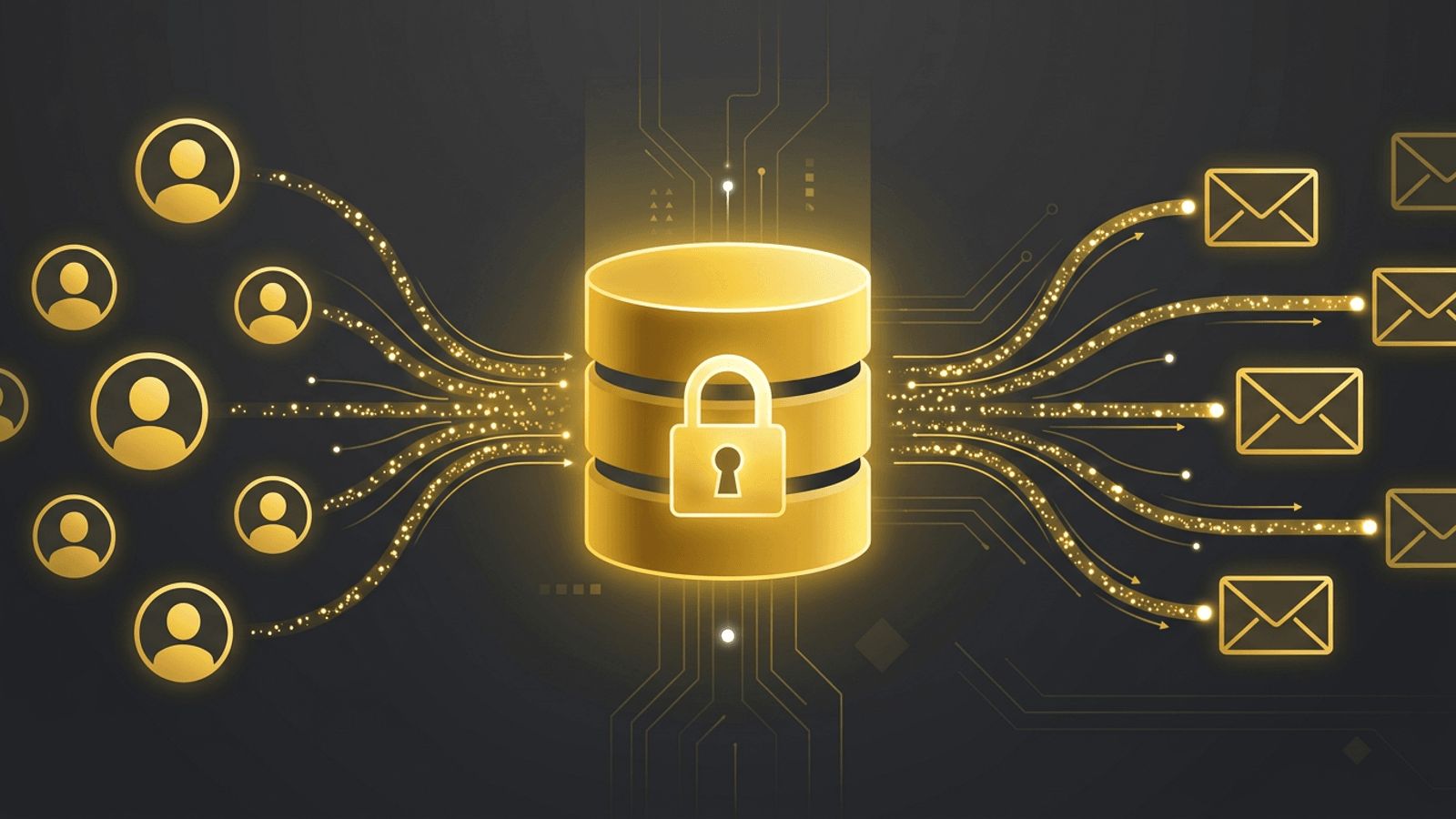
As privacy regulations tighten and third-party cookies fade from the digital landscape, marketers are rethinking how they understand and reach their audiences. First-party data, information collected directly from your customers and subscribers, has become one of the most valuable assets a business can own. In email marketing, it powers personalization, segmentation, and automation that feel relevant rather than intrusive. This guide explains how to use first-party data for email marketing, from collection to activation, while respecting customer privacy.
How AAMAX.CO Helps Businesses Activate First-Party Data
Collecting and using first-party data effectively requires sound tracking, integrated systems, and a clear strategy. AAMAX.CO is a full-service digital marketing company offering web development, digital marketing, and SEO services worldwide. They help businesses implement data collection on websites, connect CRMs and email platforms, and build personalized campaigns based on real customer behavior. Their expertise in generative engine optimization and modern search strategies also helps brands attract new audiences whose data can fuel long-term email growth.
What Is First-Party Data?
First-party data is information your business collects directly from customers and audiences through your own channels. Examples include email addresses, purchase histories, website behavior, survey responses, preferences, and customer service interactions. Because you collect it directly with consent, first-party data is typically more accurate, relevant, and compliant than data purchased from third parties.
Why First-Party Data Matters for Email
Email marketing is inherently built on first-party relationships. When subscribers share information and interact with your brand, they create data that helps you understand their needs. Using this data allows you to send emails that match interests, timing, and stage in the customer journey. The result is higher engagement, stronger conversions, and greater customer loyalty.
Types of First-Party Data to Collect
- Declared data: Information customers share directly, such as preferences, birthdays, interests, and survey answers. This is sometimes called zero-party data.
- Behavioral data: Website visits, pages viewed, products browsed, and email clicks.
- Transactional data: Purchases, order values, frequency, and product categories.
- Engagement data: How subscribers interact with emails, apps, and other touchpoints.
- Support data: Customer service inquiries, feedback, and satisfaction scores.
How to Collect First-Party Data Ethically
Transparency and consent are essential. Clearly explain what data you collect and how it will be used. Offer value in exchange, such as personalized recommendations, exclusive offers, or helpful content. Use progressive profiling, asking for small amounts of information over time rather than overwhelming subscribers with long forms at signup. Preference centers, quizzes, surveys, and onboarding questions are effective ways to gather declared data. Always comply with applicable privacy laws and honor requests to access or delete personal information.
Centralize Your Data
First-party data is often scattered across your website, store, CRM, support tools, and email platform. Integrating these systems creates a unified customer profile that gives you a complete view of each subscriber. A customer data platform or well-integrated CRM can help centralize information and make it available for segmentation and personalization in your email platform.
Use First-Party Data to Segment Your List
With rich data, you can create precise segments such as high-value customers, frequent buyers, lapsed customers, product category enthusiasts, or subscribers interested in specific topics. Each segment can receive tailored messages, making your emails more relevant and effective.
Personalize Email Content
First-party data enables meaningful personalization. Recommend products based on browsing and purchase history. Reference a subscriber's location for local events or weather-related offers. Celebrate birthdays and anniversaries. Adjust content based on stated preferences. Dynamic content blocks allow you to personalize sections of an email for different recipients within a single campaign.
Trigger Behavior-Based Automations
Behavioral data powers automated emails that respond to customer actions. Examples include browse abandonment emails, cart reminders, replenishment reminders based on typical purchase cycles, and re-engagement messages for inactive subscribers. These timely emails often generate high conversion rates because they align with real intent.
Measure and Refine
Track how personalized and segmented campaigns perform compared with generic sends. Monitor engagement, conversions, and revenue by segment. Use insights to refine data collection, discover new segments, and improve personalization strategies over time.
Protect Customer Trust
Using data responsibly is just as important as using it effectively. Avoid personalization that feels invasive, store data securely, and limit access to those who need it. When customers trust how you handle their information, they are more willing to share it, creating a cycle of better data and better experiences.
Start With Quick Wins
You do not need a complex data infrastructure to begin. Start by using the data you already have, such as purchase history and email engagement, to create a handful of meaningful segments. Add a short preference question to your welcome email, then use the answers to tailor the next few messages. These quick wins demonstrate the value of first-party data and build momentum for more advanced personalization later.
Conclusion
Learning how to use first-party data for email marketing helps you build relevant, personalized campaigns in a privacy-first world. Collect data transparently, centralize it into unified profiles, and use it to segment audiences, personalize content, and trigger timely automations. By respecting privacy and delivering genuine value, you can turn first-party data into a powerful foundation for email marketing success.
Want to publish a guest post on aamconsultants.org?
Place an order for a guest post or link insertion today.