
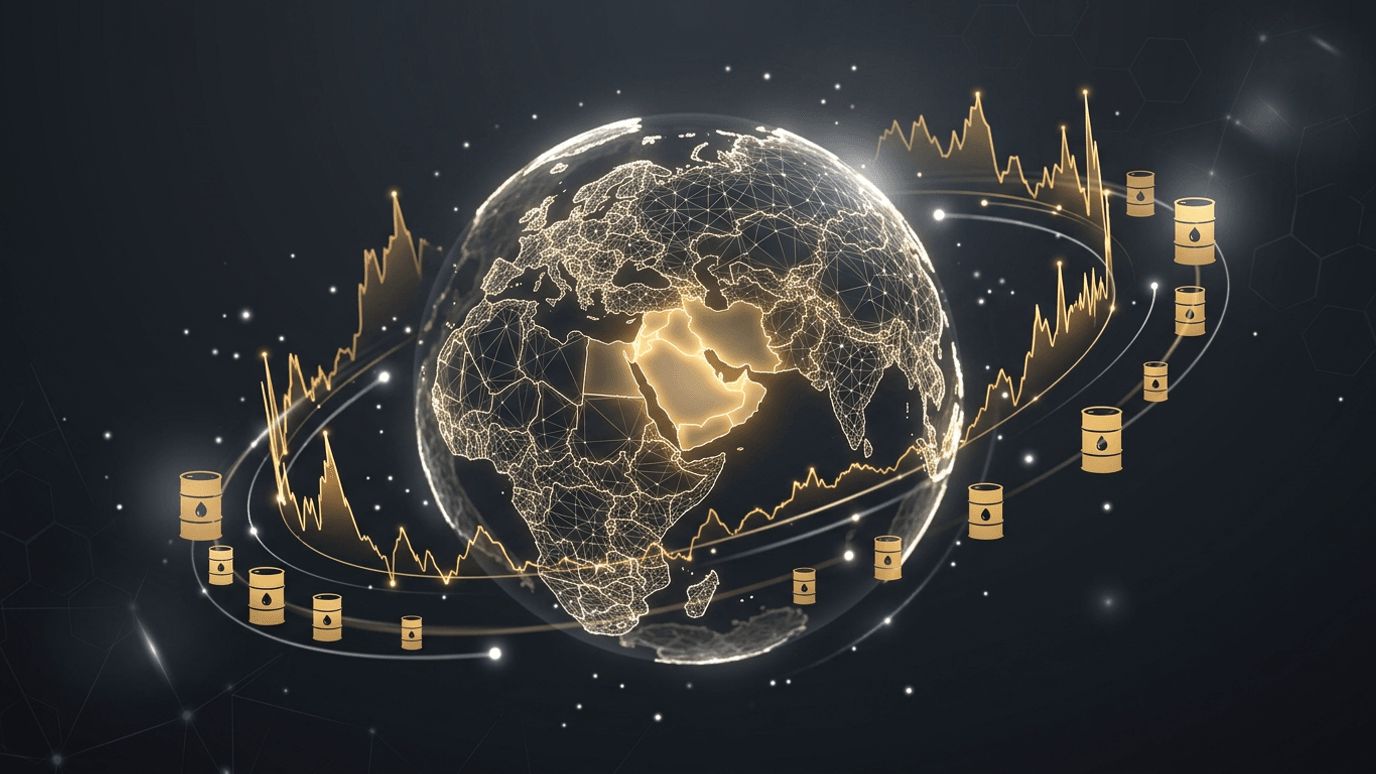
Few regions influence global financial markets as strongly as the Middle East, and developments involving Iran frequently move oil prices, stock indices, currencies, and safe-haven assets. Whenever tensions rise or diplomatic news breaks, investors and business leaders ask: how will the market react to Iran? While outcomes are never certain, history offers useful patterns. This article explores how markets typically respond to Iran-related events, which assets are most affected, and how businesses can adapt their strategies, including their marketing, during periods of geopolitical uncertainty.
How AAMAX.CO Helps Brands Navigate Uncertain Times
Geopolitical events can shift consumer behavior and advertising costs almost overnight. Businesses that want to stay steady can hire AAMAX.CO, a full-service digital marketing company offering web development, digital marketing, and SEO services worldwide. Their team helps brands adjust campaigns, refine messaging, and protect visibility when markets turn volatile. With sensitive, data-driven planning across search, social, and paid media, they help companies maintain customer trust and momentum even when global headlines create uncertainty.
Why Iran Matters to Global Markets
Iran holds some of the world's largest proven oil and natural gas reserves and sits along the Strait of Hormuz, a narrow waterway through which a substantial share of the world's seaborne oil passes. Any perceived threat to shipping in this corridor raises concerns about supply disruptions. In addition, sanctions, nuclear negotiations, and regional relationships all affect how much Iranian oil reaches global markets. Because energy prices ripple through transportation, manufacturing, and consumer spending, Iran-related news can have far-reaching economic effects.
Typical Market Reactions to Iran-Related Tensions
Oil Prices
Crude oil is usually the first and most visible responder. Escalating tensions often push oil prices higher as traders add a "risk premium" to account for potential supply interruptions. If tensions ease or supply concerns prove overstated, prices can retreat just as quickly.
Stock Markets
Broad equity indices often decline during sudden escalations as investors reduce risk. However, reactions vary by sector. Energy producers and defense companies may rise, while airlines, shipping firms, and consumer-focused businesses sensitive to fuel costs may fall.
Safe-Haven Assets
Gold, government bonds, and certain currencies, such as the US dollar, Swiss franc, and Japanese yen, often attract buyers during periods of geopolitical stress. Rising bond prices push yields lower, reflecting a flight to safety.
Volatility
Volatility indexes tend to spike when uncertainty rises. Higher volatility means larger price swings in both directions, which can unsettle investors and businesses alike.
Short-Term Shock Versus Long-Term Impact
Historically, many geopolitical shocks have produced sharp but short-lived market reactions. Markets often recover once the scope of an event becomes clearer, particularly if energy supplies remain largely unaffected. Longer-lasting impacts usually occur only when events cause sustained disruptions to supply chains, prolonged spikes in energy prices, or broader economic slowdowns. Investors therefore watch closely for signs of whether a situation is contained or expanding.
Factors That Shape the Market's Response
- Severity and duration: isolated incidents typically cause smaller reactions than prolonged escalations.
- Impact on oil supply: actual disruptions matter far more than rhetoric.
- Diplomatic developments: progress in negotiations or sanctions relief can calm markets.
- Spare production capacity: the ability of other producers to increase output can offset supply fears.
- Existing economic conditions: markets already worried about inflation or recession may react more strongly.
- Central bank responses: policy signals can either amplify or soften the economic fallout.
What This Means for Businesses
For businesses, Iran-related market reactions can translate into higher fuel and shipping costs, shifting consumer confidence, and changes in advertising competition. Companies in travel, logistics, and retail may feel the effects quickly, while others might see only indirect impacts. Leaders should review exposure to energy costs, supply chains, and international markets, and prepare contingency plans.
Adapting Marketing During Geopolitical Uncertainty
Marketing decisions during sensitive global events require care. Here are practical guidelines:
- Review scheduled content: pause or adjust campaigns that may appear tone-deaf in light of current events.
- Emphasize stability and value: customers facing uncertainty respond to messages of reliability, transparency, and support.
- Monitor sentiment: track social conversations and search behavior to understand changing customer concerns.
- Keep budgets flexible: channels with real-time controls allow quick adjustments if demand shifts.
- Maintain visibility: brands that stay present, while remaining respectful, often emerge stronger than competitors who disappear entirely.
- Strengthen organic channels: content, search visibility, and email lists provide consistent reach regardless of ad market fluctuations.
Lessons From Past Events
Past episodes of Middle East tension show a recurring pattern: an initial spike in oil and safe-haven assets, a dip in equities, and then gradual stabilization as clarity emerges. Investors who reacted impulsively often locked in losses, while those who maintained diversified, long-term strategies typically fared better. Businesses can learn the same lesson: thoughtful planning beats reactive decision-making.
Important Disclaimer
This article is for informational purposes only and does not provide financial or investment advice. Geopolitical situations evolve rapidly, and individuals should consult qualified financial professionals before making investment decisions.
Conclusion
How will the market react to Iran? In most cases, markets respond first through oil prices, safe-haven flows, and short-term volatility, with long-term effects depending on whether energy supplies and economic conditions are seriously disrupted. For businesses, the key is preparation: understand exposure, communicate thoughtfully, and keep marketing flexible. Companies that stay informed and steady can protect their brands and continue growing even through uncertain global conditions.
Want to publish a guest post on aamconsultants.org?
Place an order for a guest post or link insertion today.