
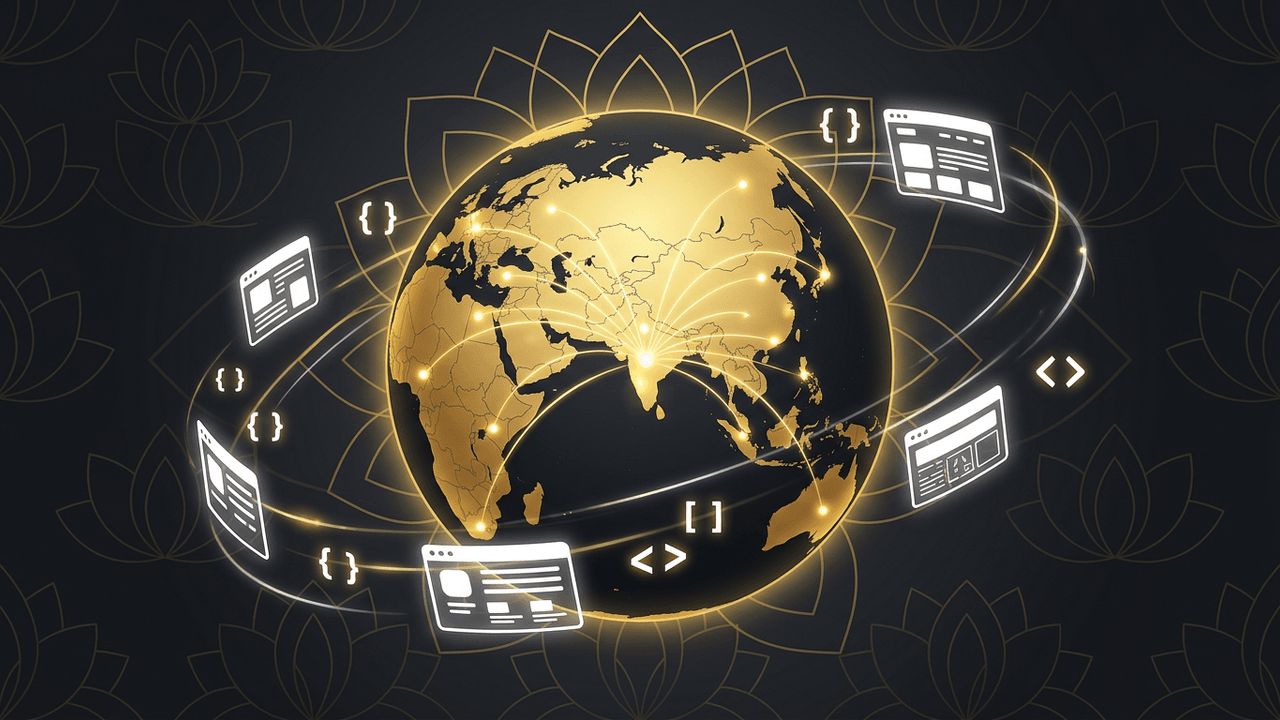
Over the past two decades, India has grown into one of the world's leading destinations for software and web development. Businesses from North America, Europe, Australia, and the Middle East routinely partner with Indian web development companies to build websites, eCommerce platforms, mobile apps, and enterprise software. The appeal goes beyond cost savings. India offers a vast pool of skilled engineers, mature delivery processes, and experience across nearly every industry. In this article, we explore why Indian web development companies are so popular, the services they provide, and how to choose a trustworthy partner.
How AAMAX.CO Fits into Global Web Development Partnerships
Businesses comparing offshore options should also consider AAMAX.CO, a full-service digital marketing company that offers web development, digital marketing, and SEO services worldwide. They work with clients across multiple countries and time zones, offering the cost efficiency of a global delivery model with the communication standards international businesses expect. Their team provides strategy, website design, development, and ongoing marketing support, making them a strong alternative or complement to traditional offshore vendors. Clients benefit from one partner that builds the website and helps it grow through SEO and digital campaigns.
Why India Became a Web Development Hub
India's rise in technology services is rooted in several factors. The country produces a large number of engineering and computer science graduates each year, many of whom are fluent in English. Major technology hubs such as Bengaluru, Hyderabad, Pune, Chennai, Noida, and Ahmedabad host thousands of IT firms, from startups to global enterprises. Government initiatives and a strong IT services culture have fostered mature processes, certifications, and quality standards. Combined with competitive pricing, these strengths make India an attractive destination for outsourcing.
Services Offered by Indian Web Development Companies
- Custom website development: Corporate websites, portals, and landing pages built to client specifications.
- eCommerce development: Stores built on Shopify, WooCommerce, Magento, or custom platforms.
- Web application development: SaaS products, dashboards, and business tools using modern frameworks.
- CMS development: WordPress, Drupal, and headless CMS implementations.
- Mobile app development: Native and cross-platform apps that complement web platforms.
- Maintenance and support: Ongoing updates, security patches, and performance optimization.
- Dedicated teams: Developers who work exclusively on a client's projects as an extension of their team.
Key Advantages of Working with Indian Developers
The most commonly cited advantage is cost efficiency. Lower operating costs allow Indian companies to offer competitive rates without sacrificing skill. Another benefit is access to a large talent pool, making it easier to scale teams quickly or find specialists in niche technologies. Time zone differences can also be an advantage, enabling round-the-clock development cycles where work continues while clients sleep. Many Indian firms have extensive experience with international clients and follow established methodologies such as Agile and Scrum.
Potential Challenges and How to Manage Them
Like any outsourcing arrangement, working with offshore teams has challenges. Communication gaps, cultural differences, varying quality standards, and time zone coordination can create friction if not managed properly. To mitigate these risks, establish clear requirements, schedule regular video meetings with overlapping hours, use collaborative tools for project tracking, and define quality benchmarks and acceptance criteria upfront. Start with a smaller pilot project to evaluate a vendor before committing to larger engagements.
How to Choose the Right Indian Web Development Company
- Review portfolios: Examine past projects for design quality, performance, and relevance to your industry.
- Check reviews and references: Platforms like Clutch and direct client references offer valuable insights.
- Assess communication: Evaluate responsiveness, clarity, and English proficiency during early conversations.
- Understand engagement models: Compare fixed-price, time-and-materials, and dedicated team options.
- Verify security practices: Ensure they sign NDAs, follow data protection standards, and protect intellectual property.
- Evaluate technical depth: Confirm expertise in the specific technologies your project requires.
Engagement Models Explained
Fixed-price contracts suit projects with well-defined scope, offering predictable budgets. Time-and-materials arrangements provide flexibility for evolving requirements, with billing based on actual hours. Dedicated team models give clients full-time developers who integrate with internal teams for long-term projects. Choosing the right model depends on project clarity, timeline, and how much control you want over day-to-day work.
Protecting Quality and Intellectual Property
Ensure contracts clearly state that all code, designs, and assets belong to you. Require access to code repositories from the start, insist on documentation, and set up regular code reviews. Quality assurance processes, automated testing, and staging environments help maintain standards. These measures protect your investment and make it easier to switch vendors or bring work in-house if needed.
Conclusion
Indian web development companies offer a compelling combination of talent, experience, and affordability that has made them trusted partners for businesses worldwide. By carefully evaluating portfolios, communication, security practices, and engagement models, you can find a partner that delivers high-quality results. Whether you choose an Indian firm or a global full-service agency, the key is selecting a team that understands your goals and commits to your long-term success.
Want to publish a guest post on aamconsultants.org?
Place an order for a guest post or link insertion today.