
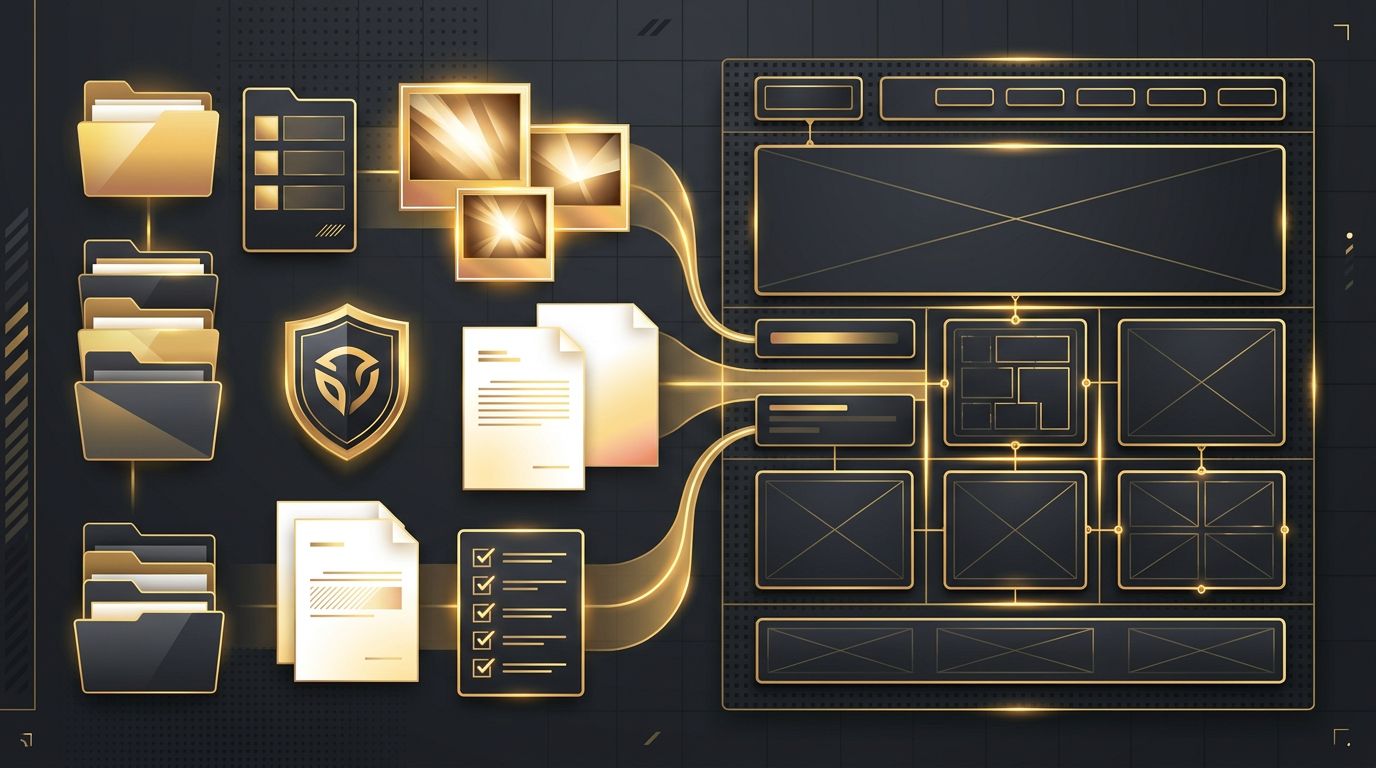
One of the most common reasons website projects run late has nothing to do with code. It is missing content. Developers wait for page copy, designers wait for logos and photos, and launch dates slip week after week. The businesses that launch on time and get the best results are the ones that prepare their content before development even begins. This guide covers the initial content to prepare before hiring a web developer, from brand assets and page copy to images, legal pages, and technical access, so your project starts strong and moves smoothly from kickoff to launch.
How AAMAX.CO Helps Clients Prepare for a Successful Website Project
Preparing content can feel daunting, especially if you are not sure what a developer needs. AAMAX.CO is a full service digital marketing company that offers web development, digital marketing, and SEO services worldwide. They guide clients through the discovery process, provide clear content checklists, and help organize brand assets and messaging. Because they also offer SEO services, they can help shape page content around relevant keywords, ensuring your website is not only well built but positioned to rank and attract the right audience.
Why Content Preparation Matters
Content shapes design. A developer cannot create an effective layout without knowing how much text a page contains, what images are available, and which actions visitors should take. Preparing content early leads to more accurate quotes, better design decisions, fewer revisions, and a faster launch. It also forces you to clarify your messaging, which benefits your entire marketing strategy.
1. Business Goals and Audience Profile
Start with a short document describing your business, what makes you different, and who your ideal customers are. Explain the main goals of your website, such as generating leads, selling products, accepting bookings, or building credibility. Describe the key actions you want visitors to take. This information helps developers and designers make strategic choices rather than guesses.
2. Brand Assets
Gather everything that defines your visual identity:
- Logo files: High-resolution versions, ideally in vector formats such as SVG or AI, plus variations for light and dark backgrounds.
- Brand colors: The exact color values used in your branding.
- Typography: Font names or files used in your marketing materials.
- Brand guidelines: Any existing style guide that explains how your brand should be presented.
If you do not have these, let your developer know early. Many teams can help create a cohesive identity as part of their website design process.
3. Sitemap and Page List
Draft a simple list of the pages you expect your site to include, such as Home, About, Services, individual service pages, Portfolio, Testimonials, Blog, FAQ, and Contact. Organize them into a hierarchy to show how they relate. This early sitemap helps developers estimate scope and plan navigation.
4. Page Copy
Written content is the most time-consuming item to prepare, so start early. Write clear, customer-focused copy for each page, emphasizing benefits rather than just features. Include headlines, supporting paragraphs, and calls to action. If you are rebuilding an existing site, review your current content and decide what to keep, update, or remove. If writing is not your strength, consider hiring a copywriter, as strong copy significantly improves conversions and search performance.
5. Images and Media
Collect high-quality photos of your team, workspace, products, and completed projects. Authentic imagery builds trust far more effectively than generic stock photos. Gather any videos, illustrations, or infographics you want to include. Organize files into clearly named folders by page or category, and make sure you have the rights to use every image.
6. Social Proof
Testimonials, reviews, case studies, certifications, awards, and client logos all strengthen credibility. Gather these in advance, including names, titles, and permission to publish. If you have impressive results or statistics, document them with context so they can be featured effectively.
7. Product or Service Details
For service businesses, prepare detailed descriptions of each service, including who it is for, what is included, and the outcomes clients can expect. For e-commerce, organize product names, descriptions, prices, variations, SKUs, weights, and images in a spreadsheet. Clean product data dramatically speeds up store setup.
8. Legal and Policy Pages
Most websites need a privacy policy, terms and conditions, and cookie policy. E-commerce sites also require shipping, returns, and refund policies. Prepare these documents or consult a legal professional, since compliance requirements vary by region and industry.
9. Functionality Requirements
List any features beyond standard pages, such as contact forms, booking calendars, live chat, newsletters, member areas, payment processing, or CRM integration. Note which tools you already use. Complex requirements may call for custom web application development, so identifying them early prevents surprises in scope and budget.
10. Accounts and Technical Access
Gather login details for your domain registrar, hosting provider, existing website, analytics, Google Search Console, social media accounts, and any third-party tools that will be connected. Share them securely using a password manager rather than email. If you are replacing an old site, provide a list of important URLs so redirects can preserve your search rankings.
11. Inspiration and Competitor Examples
Collect links to websites you like and explain what appeals to you about each one, whether it is layout, color, navigation, or tone. Also list competitors and note what you want to do better. This gives your developer a clear sense of direction.
Conclusion
The initial content to prepare before hiring a web developer includes your goals, brand assets, sitemap, page copy, images, social proof, product details, legal pages, functionality requirements, technical access, and inspiration. Investing time in preparation leads to more accurate quotes, better design, fewer delays, and a website that truly represents your business. Start gathering these materials today, and your web project will be off to the best possible start.
Want to publish a guest post on aamconsultants.org?
Place an order for a guest post or link insertion today.