
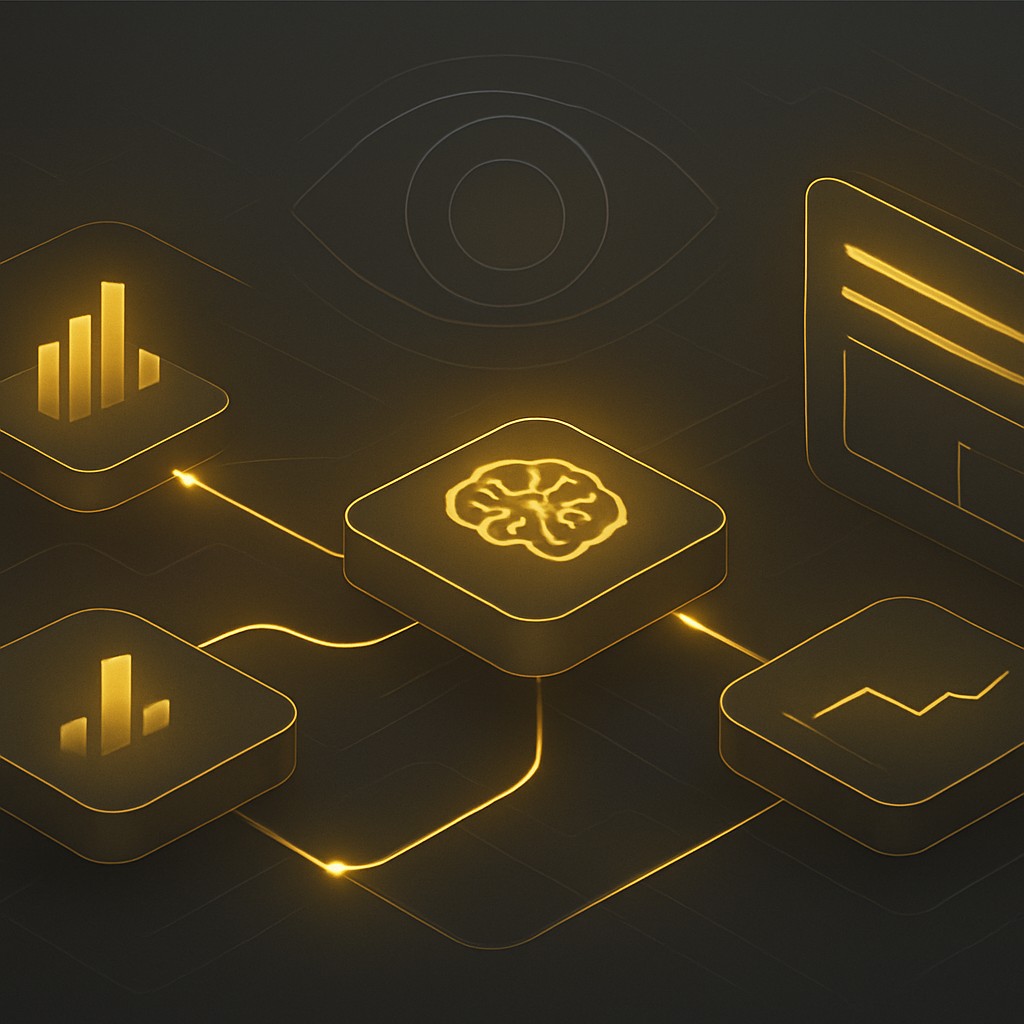
Marketing visibility tools track how, where, and how often your brand appears across channels, while AI platforms add prediction, automation, and intelligent analysis. When these two are integrated, marketers gain a powerful command center that not only shows what is happening but also recommends what to do next. This combination is rapidly becoming a standard for data-driven marketing teams that want to act faster and smarter.
Understanding Marketing Visibility Tools
Visibility tools monitor metrics such as search rankings, brand mentions, share of voice, social engagement, and channel performance. They give marketers a clear picture of their presence in the market. On their own, however, these tools mostly report what has already happened, leaving teams to interpret the data manually and decide on next steps.
How AAMAX.CO Connects AI With Visibility
Bridging AI platforms with visibility tools requires both strategic vision and technical execution. AAMAX.CO helps businesses unify their marketing data and layer AI-driven intelligence on top, turning scattered metrics into clear, actionable direction. Their team builds integrated systems that automate reporting, surface opportunities, and guide decision-making in real time. Through comprehensive digital marketing services delivered worldwide, they help clients transform visibility data into measurable growth.
What AI Platforms Add to the Equation
AI platforms bring forecasting, anomaly detection, and pattern recognition to the table. Instead of simply reporting a drop in rankings, an AI-enhanced system can predict it, explain likely causes, and suggest corrective actions. This shifts marketing from reactive to proactive, allowing teams to address issues before they impact revenue.
Benefit 1: Real-Time, Unified Insights
Integration consolidates data from multiple visibility tools into a single intelligent view. AI then highlights what matters most, filtering out noise and prioritizing the metrics that drive results. Marketers spend less time compiling reports and more time acting on insights that move the needle.
Benefit 2: Automated Decision Support
With AI analyzing visibility data continuously, teams receive automated recommendations such as which content to update, which channels to invest in, or which keywords are slipping. This decision support reduces guesswork and helps allocate budget and effort where they will have the greatest impact.
Benefit 3: Scalable Optimization
As brands expand across more channels and markets, manual monitoring becomes impossible. Integrating AI with visibility tools allows optimization to scale, with the system tracking countless data points simultaneously. This is especially valuable for businesses investing in generative engine optimization, where visibility now spans AI-driven search experiences as well as traditional results.
Implementation Considerations
Successful integration depends on clean data, clear goals, and proper governance. Teams should define which metrics matter, ensure data sources are reliable, and establish how AI recommendations will be reviewed and acted upon. Without this structure, even the most advanced integration can produce noise instead of clarity.
Conclusion
Integrating AI platforms with marketing visibility tools is not only possible but increasingly essential for competitive marketing. The combination delivers unified insights, automated decision support, and optimization that scales with your business. With expert guidance to design and manage the integration, marketing teams can finally move from simply seeing their performance to actively shaping it.
Want to publish a guest post on aamconsultants.org?
Place an order for a guest post or link insertion today.