
Breaking Down Marketing Silos
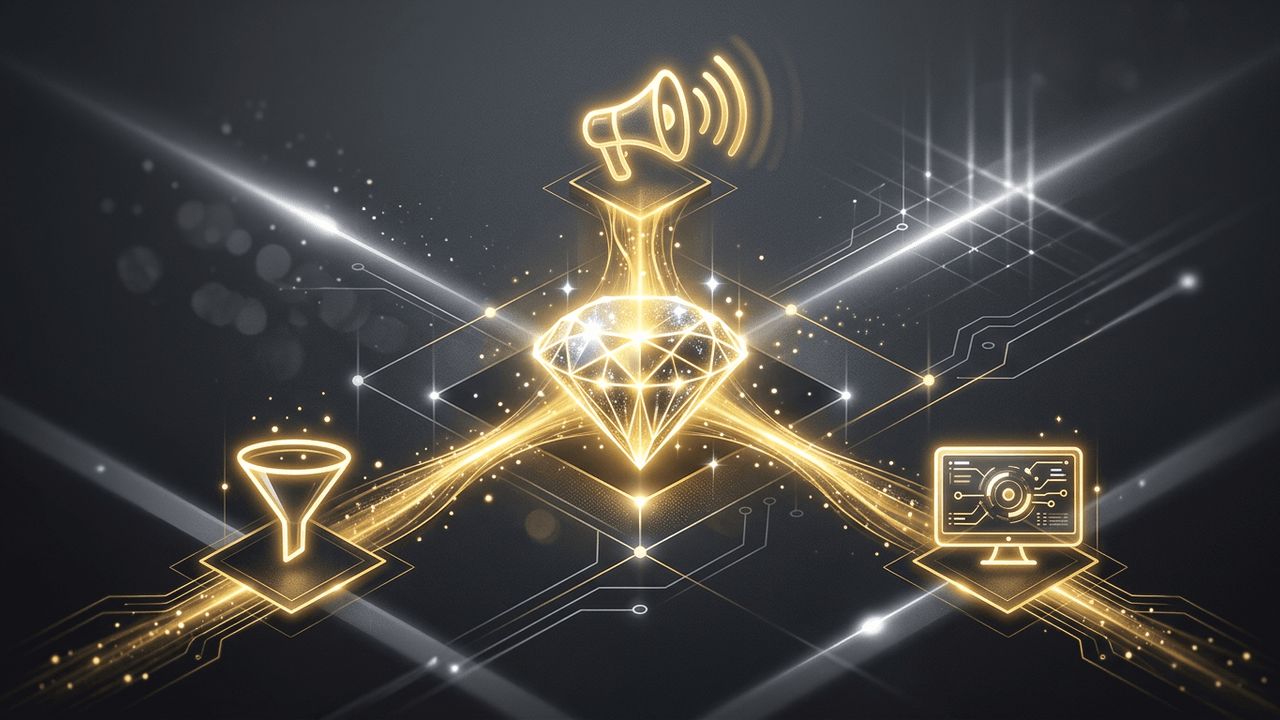
In many organizations, public relations, demand generation, and digital marketing operate as separate departments with separate goals, budgets, and metrics. PR focuses on media coverage and reputation. Demand generation focuses on leads and pipeline. Digital marketing focuses on traffic, engagement, and conversions. When these teams work in isolation, the brand sends mixed messages, misses opportunities, and wastes resources. An integrated brand strategy brings these disciplines together under one unified vision. This article explains how integrated brand strategy connects PR, demand generation, and digital marketing to create stronger, more consistent growth.
How AAMAX.CO Delivers Integrated Brand Growth
Connecting PR, demand generation, and digital channels takes broad expertise and coordinated execution. AAMAX.CO is a full-service digital marketing company offering web development, digital marketing, and SEO services worldwide. They help brands align messaging across earned, owned, and paid channels, turning media coverage into search visibility, content into lead generation, and campaigns into consistent brand experiences. Their generative engine optimization expertise also helps brands use PR mentions and authoritative content to gain visibility in AI-powered search results, a growing point where PR and digital marketing meet.
What Is an Integrated Brand Strategy?
An integrated brand strategy is a unified approach that makes sure every marketing and communications function works from the same brand foundation: shared positioning, audience understanding, messaging, and goals. Instead of each team building its own story, all teams express one coherent narrative through their own channels and tactics.
The core idea is simple. Customers don't experience a brand in departments. They see a news article, click a search result, read a blog post, see a social ad, download a guide, and talk to a salesperson. Integrated strategy makes sure each of these touchpoints reinforces the others.
The Role of Public Relations in Integrated Strategy
PR builds credibility, awareness, and trust through earned media, thought leadership, executive visibility, and reputation management. In an integrated strategy, PR does far more than generate press clippings:
- Media coverage creates authoritative backlinks that support search visibility.
- Thought leadership articles become content assets for social media and email.
- Third-party validation builds trust that improves demand generation conversion rates.
- Brand mentions in reputable publications influence how AI assistants describe and recommend companies.
When PR is connected to digital and demand teams, its value becomes measurable and multiplies across channels.
The Role of Demand Generation
Demand generation focuses on creating interest and turning it into qualified leads and sales pipeline. It includes content marketing, webinars, gated assets, email nurturing, account-based marketing, and paid campaigns. In an integrated strategy, demand generation benefits directly from PR and brand efforts:
- Prospects who recognize the brand from media coverage are more likely to engage with campaigns.
- PR narratives provide compelling themes for demand campaigns.
- Consistent messaging shortens sales cycles by reducing confusion and building trust.
The Role of Digital Marketing
Digital marketing provides the infrastructure and reach that connect PR and demand efforts to audiences. It includes websites, search optimization, social media, paid advertising, email, and analytics. In an integrated strategy, digital marketing:
- Amplifies PR wins through social media and paid promotion.
- Captures search demand created by awareness campaigns through SEO services.
- Delivers personalized experiences that nurture leads generated by demand programs.
- Provides data that measures the combined impact of all marketing functions.
How Integration Creates a Multiplier Effect
When PR, demand generation, and digital marketing work together, results compound. Consider a technology company launching a new product. PR secures coverage in industry publications and positions executives as experts. Digital marketing promotes that coverage across social channels, optimizes product pages for related searches, and retargets readers with ads. Demand generation launches a webinar and downloadable guide built around the same story, nurturing leads with email sequences that reference the media coverage.
Each function strengthens the others. Media coverage increases ad click-through rates. Search visibility captures people who heard about the product through PR. Demand campaigns convert interest into pipeline. The overall impact far exceeds what any single team could achieve alone.
Key Elements of a Successful Integrated Brand Strategy
Shared Brand Foundation
Develop clear positioning, value propositions, brand voice, and messaging pillars that every team uses.
Unified Audience Insights
Create shared buyer personas and customer journey maps so all teams understand who they are targeting and what those audiences need at each stage.
Coordinated Planning
Build integrated campaign calendars where PR announcements, content launches, paid campaigns, and demand programs are timed to reinforce each other.
Common Metrics
Move beyond siloed metrics. Track shared outcomes such as brand awareness, share of voice, pipeline contribution, and revenue growth alongside channel-specific KPIs.
Cross-Functional Collaboration
Hold regular meetings, use shared tools, and maintain open communication between PR, demand, and digital teams. Some organizations create integrated pods or campaign teams with members from each function.
Common Challenges and How to Overcome Them
- Conflicting priorities: Align teams around shared business goals instead of departmental targets.
- Different measurement standards: Use attribution models and brand studies that capture cross-channel influence.
- Budget silos: Allocate some budget to integrated campaigns rather than individual departments.
- Communication gaps: Establish clear processes for sharing upcoming news, content, and campaign plans.
Conclusion
An integrated brand strategy connects PR, demand generation, and digital marketing by grounding them in a shared brand foundation, unified audience insights, coordinated planning, and common goals. PR builds credibility and authority, demand generation turns interest into pipeline, and digital marketing amplifies reach and captures intent. Together, they create a consistent brand experience and a multiplier effect that drives stronger awareness, trust, and revenue. In a crowded and fragmented market, integration is no longer optional. It's essential for sustainable brand growth.
Want to publish a guest post on aamconsultants.org?
Place an order for a guest post or link insertion today.