
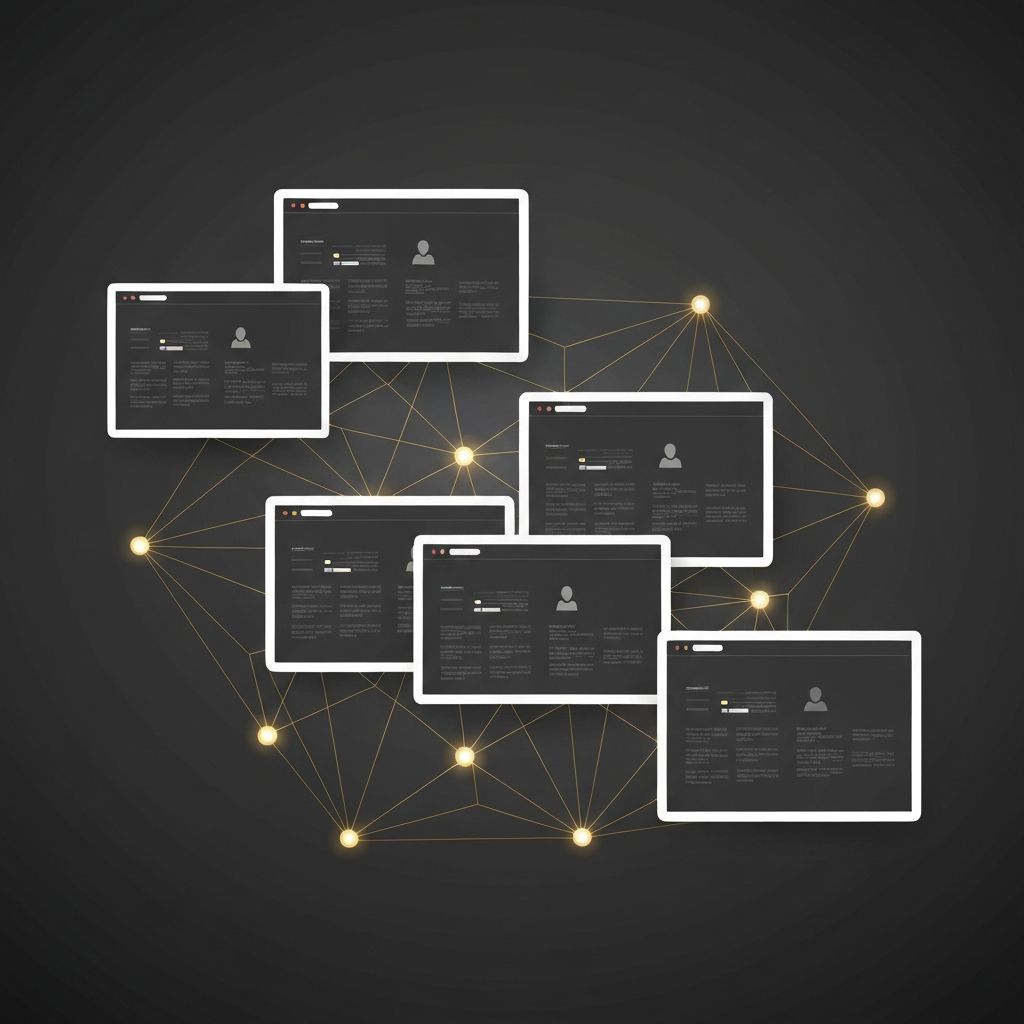
Understanding Intranet Web Design
Intranet web design is the practice of creating private, internal websites that serve the employees of an organization rather than the public. While public websites focus on marketing and lead generation, intranets focus on communication, collaboration, and access to internal resources. A well-designed intranet acts as the digital headquarters of a company, connecting people, processes, and information in one centralized hub. As remote and hybrid work models continue to dominate, the role of the intranet has shifted from a static document repository to a dynamic platform that drives culture, productivity, and operational efficiency.
Hire AAMAX.CO for Intranet Web Design
Organizations seeking a modern, user-friendly intranet can hire AAMAX.CO for professional web application development and website design services. Their team has experience building secure, scalable internal platforms that integrate with existing tools such as HR systems, document storage, and single sign-on providers. They focus on creating intuitive interfaces that employees actually enjoy using, which is critical for adoption and long-term success.
Why Intranet Design Matters
Many companies invest heavily in their public websites while neglecting their intranets, leading to outdated, confusing internal portals that employees avoid. Poor intranet design wastes time, frustrates staff, and undermines initiatives such as onboarding, training, and policy communication. A well-designed intranet, on the other hand, becomes a daily destination. It accelerates onboarding, makes critical documents easy to find, and gives leadership a direct channel to share news and recognize achievements. The return on investment shows up in productivity, engagement, and retention.
Core Features of a Modern Intranet
A successful intranet typically includes a personalized homepage with company news, quick links to frequently used tools, employee directories, document libraries, and self-service HR features such as leave requests or pay-stub access. Many modern intranets also include social features like activity feeds, recognition tools, and community groups that strengthen culture across distributed teams. Search functionality is critical; employees should be able to find any document, policy, or colleague within seconds.
User Experience and Information Architecture
Information architecture is the backbone of intranet web design. Content must be organized logically, often reflecting how employees actually think about their work rather than how the org chart is structured. Clear navigation, consistent labeling, and breadcrumb trails help users find their way without frustration. Personalization can dramatically improve the experience by showing each employee the news, tools, and documents most relevant to their role and location.
Visual Design and Branding
Intranets should feel like an extension of the company brand, but with adjustments for usability. While public sites prioritize marketing impact, intranets prioritize clarity and efficiency. Clean layouts, readable typography, and consistent iconography reduce cognitive load. Branded colors and imagery can be used strategically to highlight key sections without overwhelming users who may spend hours on the platform each week.
Security and Access Control
Because intranets contain sensitive information, security is non-negotiable. Designers and developers must work together to implement strong authentication, role-based access controls, and secure integrations with internal systems. Single sign-on through corporate identity providers simplifies the login experience while maintaining strict access policies. Regular audits and clear permission structures ensure that confidential content stays protected.
Mobile and Remote Accessibility
Today's workforce is rarely tied to a single desk. Field workers, remote employees, and traveling executives all need access to the intranet from mobile devices. Responsive design and dedicated mobile experiences ensure that critical functions, such as checking schedules, submitting requests, or reading announcements, are available anywhere. This accessibility is especially important for frontline industries like retail, healthcare, and logistics.
Adoption and Continuous Improvement
Even the best-designed intranet will fail if employees do not use it. Successful rollouts include training, internal marketing campaigns, and clear communication about benefits. Analytics should be used to track which areas are most and least visited, guiding ongoing improvements. Treating the intranet as a living product rather than a one-time project ensures it continues to evolve with the organization.
Conclusion
Intranet web design is no longer a back-office afterthought. It is a strategic asset that shapes how employees work, communicate, and engage with their organization. By combining strong information architecture, clean visual design, robust security, and a focus on adoption, companies can build intranets that genuinely empower their people and drive measurable business outcomes.
Want to publish a guest post on aamconsultants.org?
Place an order for a guest post or link insertion today.