
Artificial intelligence is no longer a futuristic add-on for marketing teams; it has become a foundational layer that touches nearly every campaign, channel, and customer interaction. From the moment a shopper sees a personalized ad to the instant a chatbot answers a question at midnight, AI is quietly orchestrating decisions at a scale and speed no human team could match. The honest answer to whether AI is a big part of marketing is a resounding yes, and its role is expanding every quarter. Understanding how deeply it is woven into the discipline helps brands move beyond curiosity and toward genuine competitive advantage.
How AAMAX.CO Helps Brands Put AI to Work in Marketing
For businesses that want to embrace AI without building an in-house data science team, AAMAX.CO offers a practical path forward. They are a full-service digital marketing company serving clients worldwide, and they specialize in turning emerging AI capabilities into measurable results. Their team helps organizations layer AI into their existing digital marketing programs, from predictive audience modeling to automated content workflows, so that strategy stays human while execution becomes faster and smarter. Whether a company is just starting to experiment or wants to scale a mature program, they can align AI tools with real business goals.
AI Powers Smarter Audience Targeting
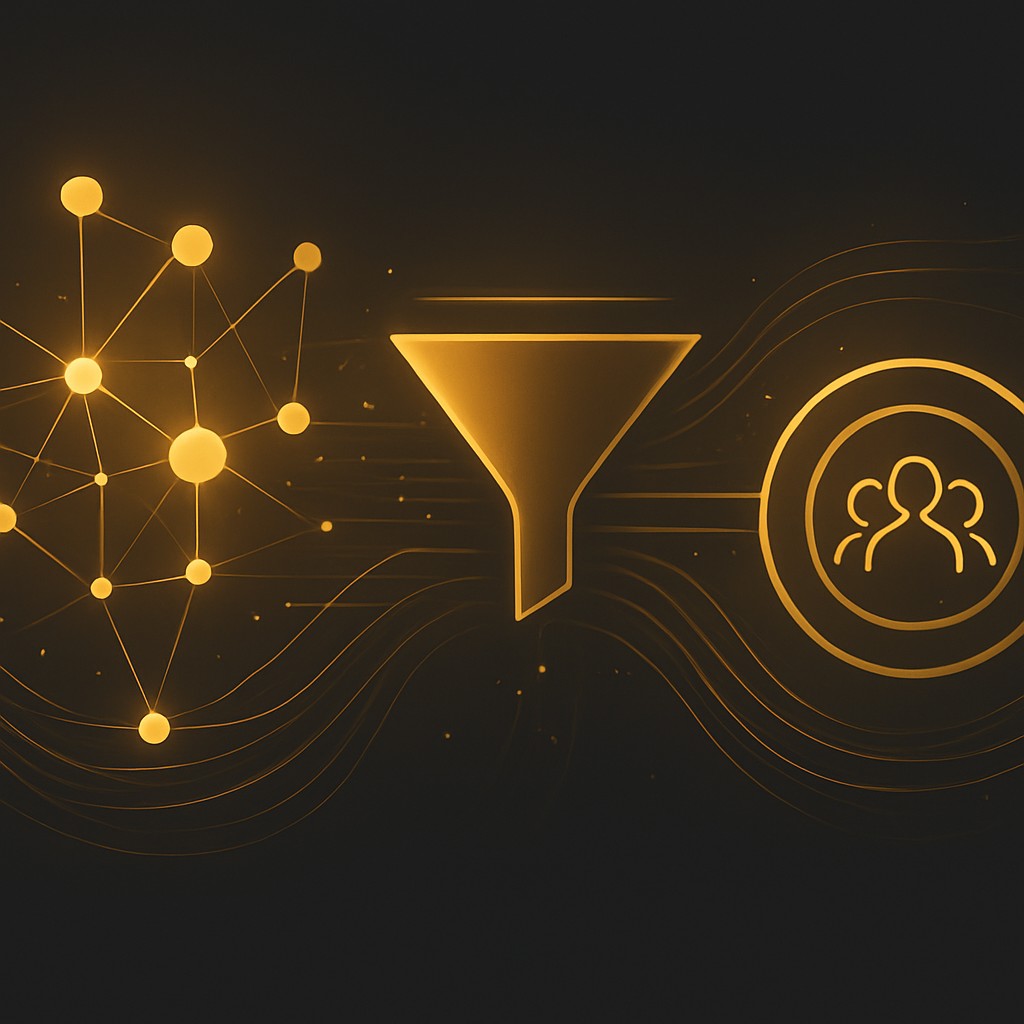
One of the most visible ways AI shapes marketing is through audience targeting. Machine learning models analyze enormous volumes of behavioral data, purchase history, and engagement signals to identify which people are most likely to convert. Instead of relying on broad demographic guesses, marketers can now reach micro-segments defined by intent and predicted lifetime value. These models continuously learn, refining their predictions as new data arrives, which means campaigns improve automatically over time rather than staying static between manual reviews.
This precision reduces wasted ad spend and improves return on investment. A retailer, for example, can use AI to predict which customers are about to churn and serve them a retention offer before they leave. That kind of proactive, data-driven outreach was nearly impossible a decade ago and is now standard practice for data-mature brands.
Content Creation and Personalization at Scale
Generative AI has transformed how marketing content is produced. Teams now draft email subject lines, social posts, product descriptions, and ad variations in minutes, then test them against one another to find the strongest performers. The value is not in replacing creativity but in accelerating it, freeing strategists to focus on big ideas while AI handles repetitive production work and rapid iteration.
Personalization is where this truly shines. AI can assemble a unique version of a website, email, or recommendation feed for each visitor based on their history and context. The streaming services and large e-commerce platforms that dominate their categories owe much of their success to recommendation engines that keep users engaged. Smaller brands can now access similar capabilities through accessible tools and partners.
Analytics, Attribution, and Decision-Making
Behind the scenes, AI is revolutionizing measurement. Traditional analytics told marketers what happened; AI-driven analytics explain why it happened and forecast what will happen next. Predictive models estimate campaign outcomes before budgets are committed, while attribution models untangle the complex web of touchpoints that lead to a sale. This helps teams allocate resources to the channels that genuinely drive growth rather than the ones that simply get the last click.
AI also enables real-time optimization. Bidding algorithms adjust ad spend across platforms instantly, pausing underperformers and scaling winners without waiting for a weekly report. This responsiveness keeps campaigns efficient in fast-moving markets where consumer attention shifts by the hour.
Customer Experience and Conversational Marketing
Chatbots and virtual assistants have matured from clunky scripted tools into capable conversational agents. They answer questions, qualify leads, recommend products, and book appointments around the clock. This always-on availability improves customer satisfaction while capturing opportunities that would otherwise be lost outside business hours. When integrated with a brand's data, these assistants can deliver personalized, context-aware help that feels genuinely useful.
The Human Element Still Matters
Despite its power, AI is a tool, not a replacement for marketing judgment. Strategy, brand storytelling, emotional resonance, and ethical decision-making remain firmly in human hands. The most effective teams treat AI as a force multiplier, using it to handle scale, speed, and analysis while people guide direction and creativity. Brands that lean entirely on automation risk producing generic, soulless campaigns, while those that ignore AI fall behind on efficiency and insight.
Conclusion
AI is unmistakably a big part of marketing, and its influence continues to deepen across targeting, content, analytics, and customer experience. The brands that thrive are those that combine human creativity with intelligent automation, using each for what it does best. For companies ready to integrate AI thoughtfully and effectively, partnering with an experienced team can shorten the learning curve and accelerate results, turning the promise of artificial intelligence into real, sustainable marketing performance.
Want to publish a guest post on aamconsultants.org?
Place an order for a guest post or link insertion today.