
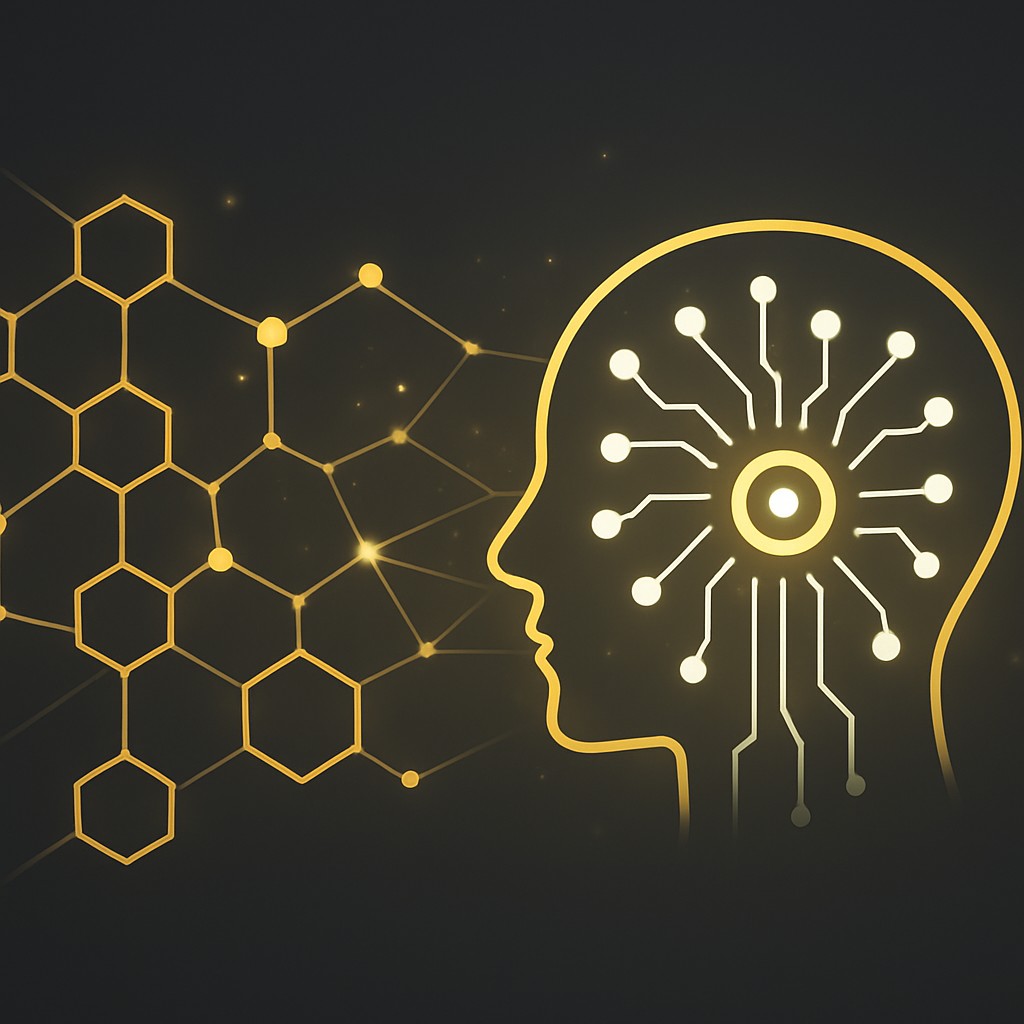
Is AI Part of Web 3.0?
The concept of Web 3.0 represents the next evolution of the internet, characterized by decentralization, blockchain technology, and intelligent, machine-readable data. A common question among technologists and business owners is whether artificial intelligence is part of Web 3.0. The answer is a resounding yes. AI is not just a component of Web 3.0; it is one of its defining pillars, working alongside decentralization and semantic data to create a smarter, more connected, and more autonomous internet.
To understand the relationship between AI and Web 3.0, it helps to consider the progression of the web. Web 1.0 was static and read-only. Web 2.0 introduced interactivity, social media, and user-generated content. Web 3.0 aims to make the internet intelligent and decentralized, where data is understood by machines and users have greater control over their information. AI is the technology that makes this intelligence possible.
How AAMAX.CO Prepares Businesses for the Web 3.0 Era
As the internet evolves toward decentralization and intelligence, businesses need partners who understand both the technology and its practical applications. AAMAX.CO is a full-service digital marketing company that helps businesses worldwide adapt to emerging trends like Web 3.0 and AI. Their team understands how intelligent, machine-readable websites and AI-driven experiences will shape the future of online business. By working with them, companies can position themselves at the forefront of these changes, building digital presences that are ready for the next generation of the web.
The Semantic Web and AI
One of the core ideas behind Web 3.0 is the semantic web, an internet where data is structured and tagged so that machines can understand its meaning, not just its format. This is where AI becomes essential. Natural language processing and machine learning allow computers to interpret content, understand context, and draw connections between different pieces of information.
In a semantic web powered by AI, search engines and applications can answer complex questions, make intelligent recommendations, and automate tasks that previously required human understanding. This represents a fundamental shift from keyword matching to genuine comprehension, made possible by advances in artificial intelligence.
Decentralization Meets Intelligence
Web 3.0 emphasizes decentralization through blockchain technology, giving users more control over their data and reducing reliance on centralized platforms. AI complements this by enabling intelligent applications that can operate on decentralized networks. Smart contracts, autonomous organizations, and decentralized applications can all benefit from AI-driven decision-making.
Together, decentralization and AI create an internet that is both user-controlled and highly intelligent. AI can analyze data across decentralized networks, detect patterns, and automate processes while respecting user privacy and ownership. This combination has the potential to transform industries from finance to healthcare to commerce.
Personalization and Autonomy
AI in Web 3.0 enables a new level of personalization and autonomy. Intelligent agents can act on behalf of users, completing tasks, making purchases, and managing digital assets based on individual preferences. These AI agents understand context and can navigate the decentralized web to accomplish goals efficiently.
For businesses, this means new opportunities to engage customers through intelligent, personalized experiences. As AI agents become more prevalent, brands must ensure their digital presence is optimized to be discovered and understood by both humans and machines. Modern website development that prioritizes structured, machine-readable data will be essential for success in this environment.
The Importance of Machine-Readable Content
As AI and Web 3.0 converge, the way content is created and structured becomes increasingly important. Content that is well-organized, clearly structured, and rich with meaning is more likely to be understood, indexed, and cited by AI systems. This has significant implications for how businesses approach their online presence.
Optimizing content for AI comprehension is becoming a critical discipline. Techniques like generative engine optimization help ensure that content is structured in ways that AI systems can interpret and surface, giving businesses visibility in an increasingly machine-mediated web. This is a natural extension of traditional optimization, adapted for the intelligent internet of Web 3.0.
Preparing for an AI-Driven Future
The integration of AI into Web 3.0 is not a distant possibility; it is already underway. Businesses that understand this convergence and prepare accordingly will be well-positioned for the future. This means investing in structured, high-quality content, building intelligent and accessible websites, and adopting technologies that align with the principles of the next-generation web.
Forward-thinking companies are already exploring how AI and decentralization can enhance their products, services, and customer experiences. By staying informed and proactive, businesses can turn the shift to Web 3.0 into a competitive advantage rather than a disruptive challenge.
Conclusion
Is AI part of Web 3.0? Absolutely. AI is a fundamental pillar of the next-generation internet, enabling the intelligence, comprehension, and automation that define Web 3.0. Working alongside decentralization and the semantic web, AI is creating an internet that is smarter, more autonomous, and more responsive to user needs. For businesses, understanding this relationship is essential for staying competitive in the evolving digital landscape. By preparing now, investing in machine-readable content and intelligent web experiences, and partnering with knowledgeable experts, companies can thrive in the AI-powered future of the web.
Want to publish a guest post on aamconsultants.org?
Place an order for a guest post or link insertion today.