
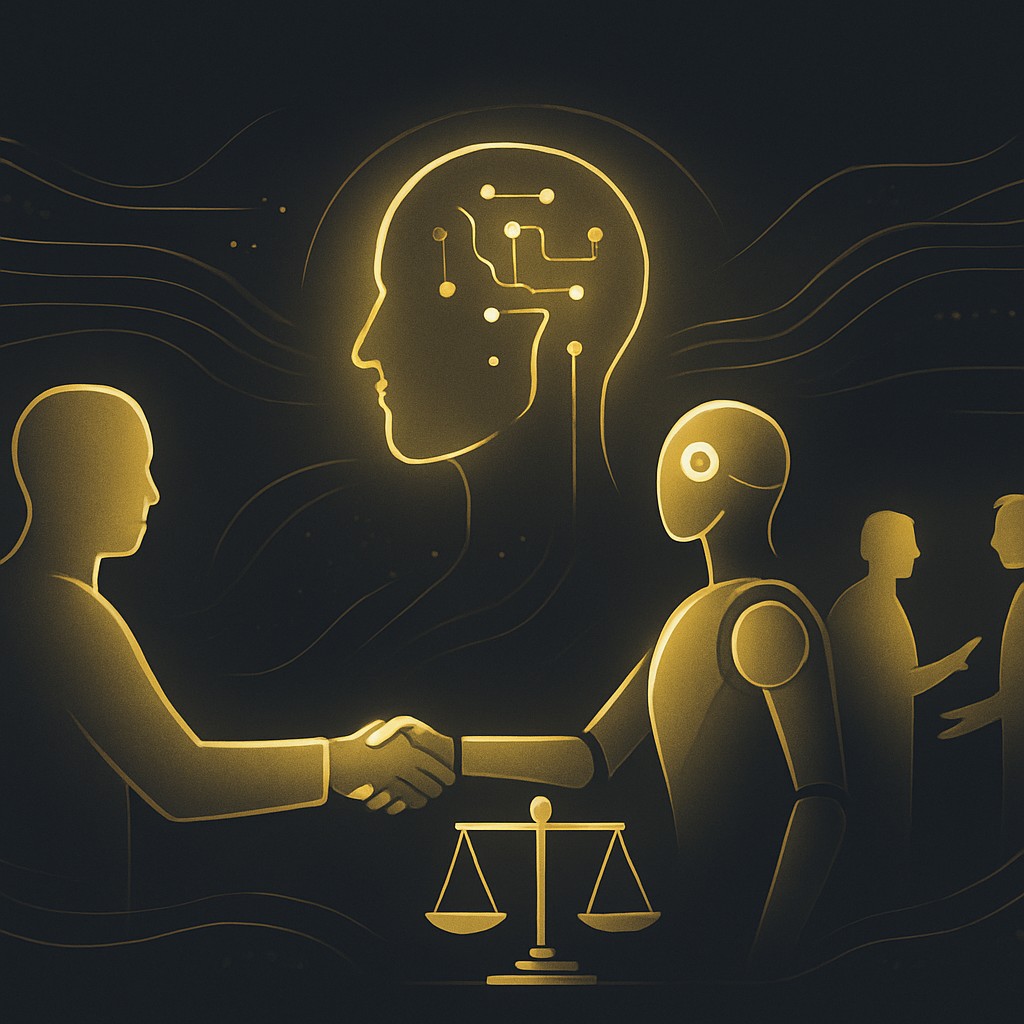
Few questions cause more anxiety among marketing professionals than whether AI is taking over their jobs. Automated content generation, programmatic advertising, and AI-driven analytics have absorbed tasks that once required entire teams. Headlines warning of mass job displacement only add to the worry. Yet the reality unfolding across the industry is more complex and ultimately more hopeful. AI is reshaping marketing roles rather than erasing them, automating specific tasks while creating demand for new skills and elevating the strategic value of human marketers.
How AAMAX.CO Helps Teams Adapt to AI-Driven Marketing
Organizations that want to embrace AI without leaving their teams behind can lean on experienced partners. AAMAX.CO is a full-service digital marketing company operating worldwide, and they help businesses integrate AI into their workflows in a way that augments people rather than replaces them. Their digital marketing specialists combine automation with human strategy, taking on the heavy lifting of campaign execution, data analysis, and optimization so that internal teams can focus on brand vision and customer relationships. For companies unsure how to balance technology and talent, they offer a practical, results-driven model that shows what effective human-AI collaboration looks like.
Which Tasks AI Is Actually Automating
It is important to distinguish between tasks and jobs. AI excels at automating discrete, repetitive, data-heavy tasks. It can generate first drafts of copy, schedule and post social content, segment audiences, run A/B tests, optimize ad bids, and produce performance reports. These are activities that previously consumed enormous amounts of marketers' time. By offloading them to AI, professionals reclaim hours that can be redirected toward higher-impact work.
The roles most affected are those built almost entirely around these repetitive tasks. A position focused solely on manually posting content or compiling routine reports faces real pressure. But most marketing jobs encompass a far broader mix of responsibilities, many of which AI cannot perform well or at all.
What AI Cannot Replace
Marketing is fundamentally about understanding human emotion, building trust, and telling compelling stories. These are areas where human marketers remain irreplaceable. AI can generate text, but it cannot truly understand cultural nuance, brand voice, or the subtle emotional triggers that make a campaign resonate. It can analyze data, but it cannot set a vision, navigate office politics, manage client relationships, or make ethical judgment calls about sensitive subjects.
Strategy is another stronghold of human value. Deciding which markets to enter, how to position a brand, how to respond to a crisis, and how to allocate resources across competing priorities all require contextual judgment, creativity, and accountability that AI simply does not possess. As AI handles execution, these strategic and creative capabilities become even more valuable.
New Roles and Rising Skills
Far from eliminating marketing careers, AI is creating new ones. Roles like AI marketing specialist, prompt engineer, marketing automation manager, and data storyteller did not exist a few years ago and are now in demand. Marketers who learn to direct AI tools, interpret their output, and integrate them into cohesive strategies are becoming highly sought after.
The skills rising in value include data literacy, creative direction, strategic thinking, emotional intelligence, and the ability to collaborate with AI systems effectively. Marketers who treat AI as a tool to master rather than a threat to fear are positioning themselves for stronger, not weaker, career prospects. The professionals at greatest risk are those who refuse to adapt.
How Marketers Can Future-Proof Their Careers
The path forward is proactive adaptation. Marketers should invest time in learning the leading AI tools relevant to their specialty, whether that is content, advertising, analytics, or customer experience. Building fluency in data interpretation helps them turn AI-generated insights into sound decisions. Strengthening uniquely human skills such as storytelling, persuasion, and strategic planning ensures they remain indispensable.
Just as importantly, marketers should reframe their relationship with AI. Rather than competing with automation, they can use it to amplify their output, take on bigger challenges, and deliver more value than ever before. This mindset shift separates those who thrive from those who fall behind.
What History Tells Us About Technology and Jobs
Every major technological shift in marketing has triggered similar fears, yet each ultimately expanded the profession rather than shrinking it. The arrival of the internet, search engines, social media, and marketing automation platforms all displaced certain tasks while creating entirely new specialties and demand for talent. AI is following this familiar arc. As routine work is automated, the overall scope of what marketing teams can accomplish grows, and with it the need for skilled people to direct, interpret, and refine the technology. Those who adapted to previous shifts found expanded opportunities, and the same is proving true with AI. The lesson is consistent: technology changes the nature of marketing work far more often than it eliminates it.
Conclusion
AI is not taking over marketing jobs so much as transforming them, automating routine tasks while elevating the importance of strategy, creativity, and human connection. The marketers who embrace AI as a collaborator will find their roles becoming more strategic, more interesting, and more secure. For businesses and professionals alike, the winning approach is to combine the efficiency of automation with the irreplaceable strengths of human talent, building marketing teams that are stronger because of AI, not diminished by it.
Want to publish a guest post on aamconsultants.org?
Place an order for a guest post or link insertion today.