
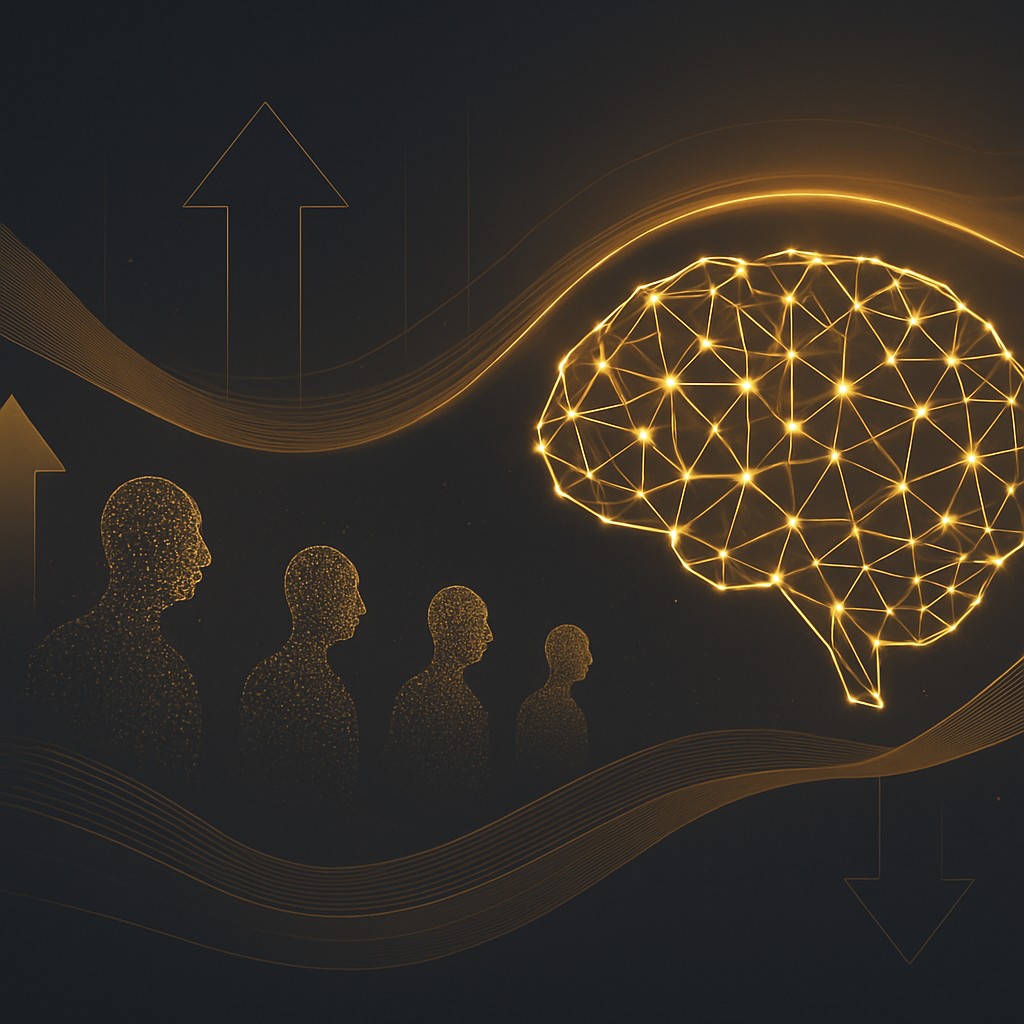
The phrase artificial intelligence taking over the job market evokes images of robots replacing humans across every industry. While the reality is less dramatic, there is no denying that AI is exerting a powerful influence on employment. It is automating tasks, reshaping the skills employers demand, and even changing how hiring decisions are made. Understanding the true extent of AI's reach is the first step toward navigating the evolving world of work with confidence.
How AAMAX.CO Helps Businesses Build AI-Ready Teams
Organizations that want to stay competitive must learn to integrate AI without losing the human touch that drives real value. AAMAX.CO is a full-service digital marketing company with a worldwide client base, and they help businesses adopt AI-powered processes that boost output without sidelining their people. By layering intelligent automation onto their digital marketing services, they enable teams to scale their impact, demonstrating that AI works best as a partner to human talent rather than a replacement for it.
The Breadth of AI's Influence
AI's reach extends across nearly every sector. In finance, algorithms handle trading and risk assessment. In healthcare, AI assists with diagnostics and administrative work. In manufacturing, intelligent systems optimize production. In offices everywhere, AI tools draft documents, schedule meetings, and analyze data. This breadth is what makes the technology feel like it is taking over.
However, taking over tasks is different from taking over jobs. In most cases, AI automates portions of roles rather than entire positions. The result is a transformation of how work is done, with humans handling the complex, creative, and interpersonal aspects while AI manages the routine and repetitive.
AI in the Hiring Process
One area where AI's influence is especially visible is recruitment. Many companies now use AI to screen resumes, assess candidates, and even conduct preliminary interviews. This speeds up hiring but raises concerns about fairness and bias, since algorithms can inadvertently perpetuate the patterns present in their training data. Job seekers increasingly need to optimize their applications for both human and machine readers.
This shift means that understanding how AI evaluates candidates has become a practical skill. Those who learn to navigate AI-driven hiring processes gain an advantage in a competitive market.
The Skills Employers Now Want
As AI handles more routine work, employers increasingly value skills that machines cannot easily replicate. Critical thinking, creativity, emotional intelligence, adaptability, and the ability to collaborate are in high demand. Technical literacy, particularly the ability to work effectively with AI tools, has also become a major asset across industries.
Workers who cultivate these capabilities position themselves to thrive regardless of how automation advances. The most vulnerable are those whose roles consist mainly of predictable, repetitive tasks and who do not adapt their skill sets.
New Opportunities Emerging
While AI displaces some roles, it simultaneously creates new ones. The demand for AI specialists, data professionals, and people who can manage and integrate intelligent systems is surging. Beyond technical roles, the productivity gains from AI often enable business growth that generates employment in unexpected areas. The job market is not shrinking so much as transforming.
Future-Proofing Your Career
The best defense against AI disruption is continuous learning. Workers should stay curious, develop adaptable skill sets, and become comfortable using AI tools in their daily work. Rather than viewing AI as a competitor, treating it as a collaborator that amplifies human capabilities is the mindset most likely to lead to long-term success.
Employers also have a role to play by investing in reskilling programs and helping their workforce transition into new responsibilities. Companies that support their people through this change will retain valuable talent and build resilient organizations.
Conclusion
Is AI taking over the job market? It is certainly reshaping it in profound ways, automating tasks, influencing hiring, and shifting the skills that matter most. But the narrative of wholesale replacement misses the more accurate story of transformation and collaboration. Workers who embrace lifelong learning and learn to partner with AI will find abundant opportunities, and businesses that adopt the technology thoughtfully will build stronger, more capable teams for the future.
Want to publish a guest post on aamconsultants.org?
Place an order for a guest post or link insertion today.