
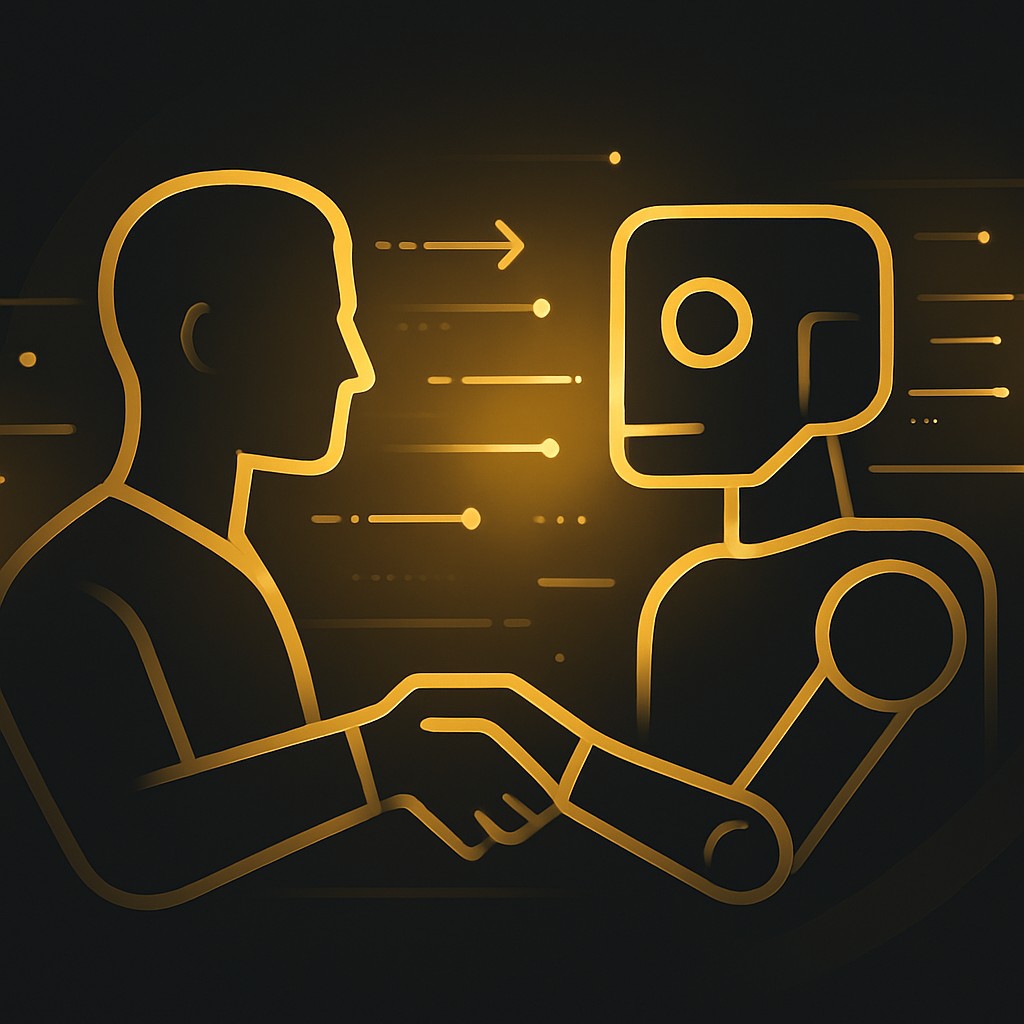
Few topics generate more anxiety in the professional world than the prospect of AI replacing human jobs, and marketing sits squarely in the conversation. With AI now writing copy, designing graphics, and optimizing campaigns, many wonder whether marketing as a profession is being replaced by machines. The fear is understandable, but the reality is more reassuring and more nuanced. Marketing is not being replaced by AI; it is being transformed. Understanding the difference is crucial for anyone building a career or business in this field.
How AAMAX.CO Helps You Lead the Transformation
The businesses that thrive are those that guide the AI transformation rather than resist it. AAMAX.CO is a full service digital marketing company serving clients across the globe, and they help organizations integrate AI into their digital marketing operations in ways that enhance rather than replace human talent. Their team identifies where automation adds value and where human creativity and strategy must lead, helping you build a marketing function that is both efficient and irreplaceably human.
Where the Replacement Fear Comes From
The worry that AI will replace marketers stems from genuine and visible change. Generative tools can produce content in seconds, automated platforms manage ad campaigns with minimal oversight, and AI analytics deliver insights that once required entire teams. When people see machines performing tasks that humans used to do, the leap to assuming wholesale replacement feels logical. Sensational headlines amplify this fear, often exaggerating AI's capabilities and underplaying its limitations.
However, performing isolated tasks is not the same as doing a marketer's job. Marketing involves a web of interconnected responsibilities, judgment calls, and creative decisions that no current AI can independently manage. The fear conflates task automation with role elimination, and that conflation does not hold up under scrutiny.
What AI Genuinely Replaces
To be honest about the situation, AI does replace certain tasks. Repetitive, rules-based, and high-volume activities are the most vulnerable. Drafting routine product descriptions, generating basic reports, performing initial keyword research, and creating simple ad variations can all be automated effectively. Marketers who spend the bulk of their time on these activities will see that work increasingly handled by software.
This is real and should not be minimized. The honest takeaway is that specific tasks within marketing are being automated, and roles defined entirely by those tasks face genuine pressure. The crucial point is that these tasks represent a fraction of what marketing truly involves, and automating them frees humans for more valuable work.
What AI Cannot Replace
The heart of marketing remains beyond AI's reach. Strategic thinking, deciding what a brand should stand for, which markets to pursue, and how to allocate resources, requires human judgment grounded in business context. Creative vision, the ability to conceive a campaign that captures imagination and emotion, springs from human imagination that AI can imitate but not originate.
Emotional intelligence is equally irreplaceable. Understanding the subtle desires and anxieties of an audience, building genuine trust, and responding sensitively in delicate situations all demand human empathy. Relationship management, whether with clients, partners, or customers, relies on interpersonal skills no algorithm possesses. These capabilities form the core of marketing and ensure the profession endures.
The Transformation of Marketing Roles
Rather than disappearing, marketing roles are evolving. New positions are emerging around AI, including prompt specialists, AI content editors, automation strategists, and data interpreters. Traditional roles are expanding to incorporate AI tools, with marketers becoming orchestrators who direct machine output toward strategic goals. The marketer of the future spends less time on manual execution and more time on creativity, analysis, and strategy.
This mirrors past technological shifts. When digital tools arrived, they did not eliminate marketing; they created entirely new specialties and made the field more dynamic. AI is following the same trajectory, expanding the profession even as it changes its day-to-day character.
How to Future-Proof Your Marketing Career
Adaptation is the key to security. Professionals should learn to use AI tools fluently, treating them as collaborators that amplify their capabilities. Developing skills that AI cannot replicate, such as strategic planning, creative direction, and emotional intelligence, builds lasting value. Staying curious and committed to continuous learning ensures you remain ahead of evolving technology. Those who embrace these principles will find AI enhances their careers rather than threatening them.
Conclusion
Is marketing being replaced by AI? The clear answer is no, though it is being transformed in significant ways. AI automates specific tasks and reshapes how marketing work is done, but it cannot replace the strategy, creativity, and human connection at the discipline's core. The professionals and businesses that thrive will be those that embrace AI as a tool while cultivating the uniquely human strengths that machines cannot match. Far from replacing marketers, AI is poised to make skilled, adaptable marketers more valuable than ever before.
Want to publish a guest post on aamconsultants.org?
Place an order for a guest post or link insertion today.