
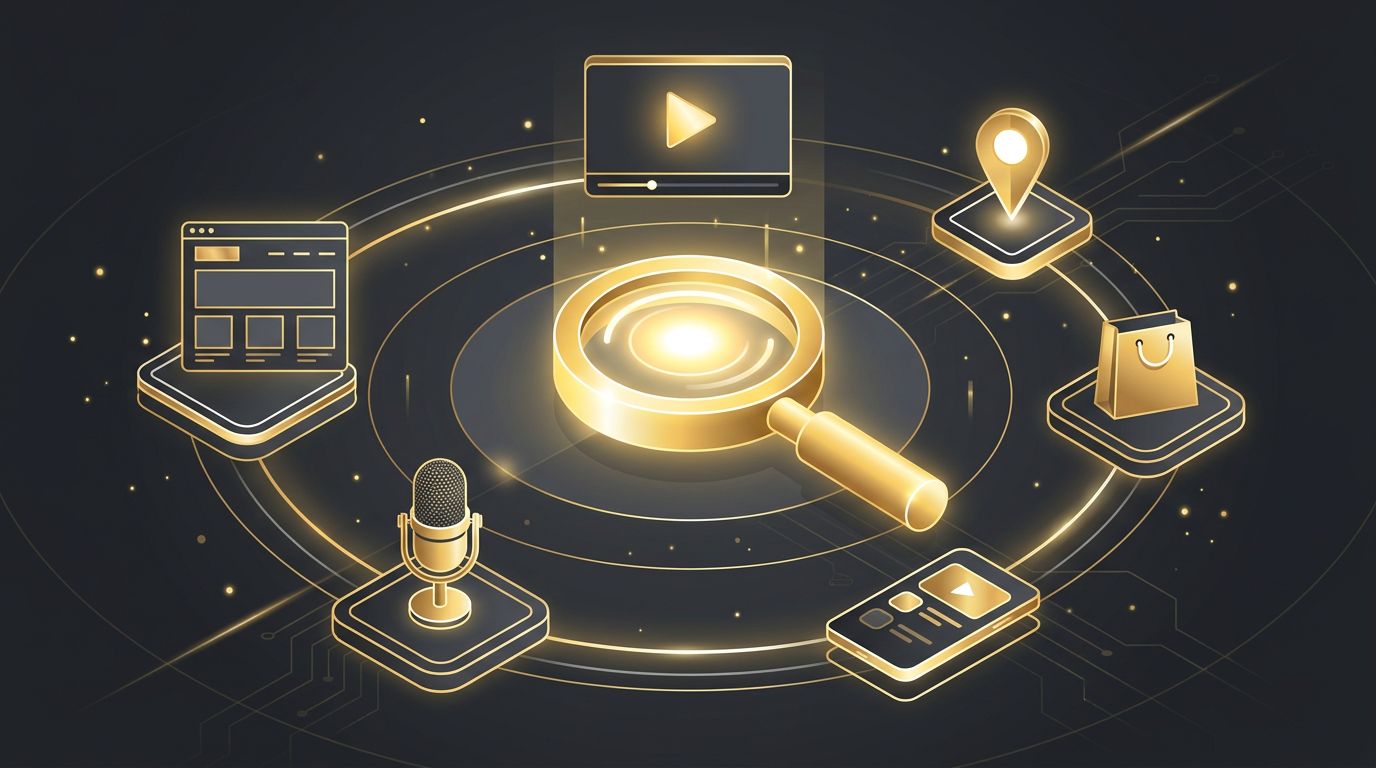
When people hear the term SEO, they usually think of websites ranking in Google. That is the most common application, but it is not the only one. Is SEO only for websites? Definitely not. Search optimization principles apply anywhere people search for information, products, or services. This includes video platforms, map listings, app stores, e-commerce marketplaces, social media, podcasts, and AI assistants. Understanding these broader applications helps businesses capture visibility wherever their audience is looking.
How AAMAX.CO Extends SEO Beyond Websites
Modern visibility requires a multi-platform approach. AAMAX.CO is a full service digital marketing company offering Web Development, Digital Marketing, and SEO Services worldwide. They help brands optimize not only their websites but also their business listings, video content, and presence in AI-driven search. By coordinating optimization across platforms, they ensure customers can discover a brand consistently, no matter where the search begins.
What SEO Really Means
At its core, SEO means making content easier to find, understand, and choose within a search system. Every platform with a search function uses algorithms to decide what to show. These algorithms consider relevance, quality, engagement, and trust. While specific ranking factors differ by platform, the underlying principles of understanding user intent and providing valuable, well-described content remain consistent.
Local SEO and Map Listings
For local businesses, map listings can be more important than websites. A Google Business Profile appears in map results and local packs, often above organic listings. Optimizing a profile involves choosing accurate categories, adding photos, collecting reviews, posting updates, and maintaining consistent business information. Many customers choose a business directly from the map listing without visiting a website at all.
YouTube and Video SEO
YouTube is one of the most used search engines in the world. Video SEO involves researching keywords, writing descriptive titles and descriptions, adding captions, creating compelling thumbnails, and encouraging engagement. Videos can rank on YouTube and also appear in Google search results, providing two opportunities for visibility from a single piece of content.
App Store Optimization
For mobile apps, app store optimization is the equivalent of SEO. It involves optimizing app titles, subtitles, keyword fields, descriptions, screenshots, and ratings to improve rankings in app store searches. Downloads, retention, and reviews also influence visibility. ASO follows the same philosophy as SEO: understand what users search for and present your app as the best answer.
E-commerce Marketplace SEO
Sellers on large marketplaces rely on internal search engines to reach buyers. Optimizing product titles, bullet points, descriptions, images, and backend keywords improves product visibility. Sales velocity, reviews, and conversion rates often influence rankings. Marketplace SEO is essential for brands that generate significant revenue outside their own websites.
Social Media Search
Social platforms have become search tools, especially for younger audiences who look for recommendations, tutorials, and reviews directly within apps. Optimizing profiles, captions, hashtags, and on-screen text helps content appear in social search results. Professional networking platforms also have internal search, where optimized profiles and pages improve discoverability for B2B audiences.
Podcast SEO
Podcasts can be optimized through descriptive titles, episode descriptions, show notes, and transcripts. Search engines can index podcast episodes, and podcast platforms have their own search systems. Transcripts published on a website also create indexable content that can rank in traditional search.
AI Search and Generative Engines
AI assistants and AI-powered search features now answer many questions directly. Optimizing for these systems involves clear, authoritative content, consistent brand information across the web, and structured data. This practice, often called generative engine optimization, is becoming an essential extension of traditional SEO. Brands that invest in GEO services improve their chances of being mentioned and cited in AI-generated answers.
Why Your Website Still Matters
Even though SEO extends beyond websites, your website remains the central hub of your online presence. It is the platform you fully control, where you can publish in-depth content, capture leads, and build a direct relationship with customers. Other platforms often drive traffic back to your website. Strong search engine optimization for your site creates a foundation that supports every other channel.
Building a Multi-Platform Search Strategy
Start by identifying where your audience searches. A restaurant may prioritize map listings and social platforms. A software company may focus on its website, YouTube tutorials, and review sites. An app developer needs strong app store optimization. Maintain consistent branding and messaging across platforms, repurpose content efficiently, and measure performance on each channel. An integrated digital marketing strategy ties these efforts together.
Conclusion
SEO is not only for websites. It applies to map listings, video platforms, app stores, marketplaces, social media, podcasts, and AI search engines. Each platform has its own algorithms, but the core principles of relevance, quality, and trust remain the same. By optimizing across multiple platforms while keeping your website as the central hub, businesses can maximize visibility and reach customers wherever they search.
Want to publish a guest post on aamconsultants.org?
Place an order for a guest post or link insertion today.