
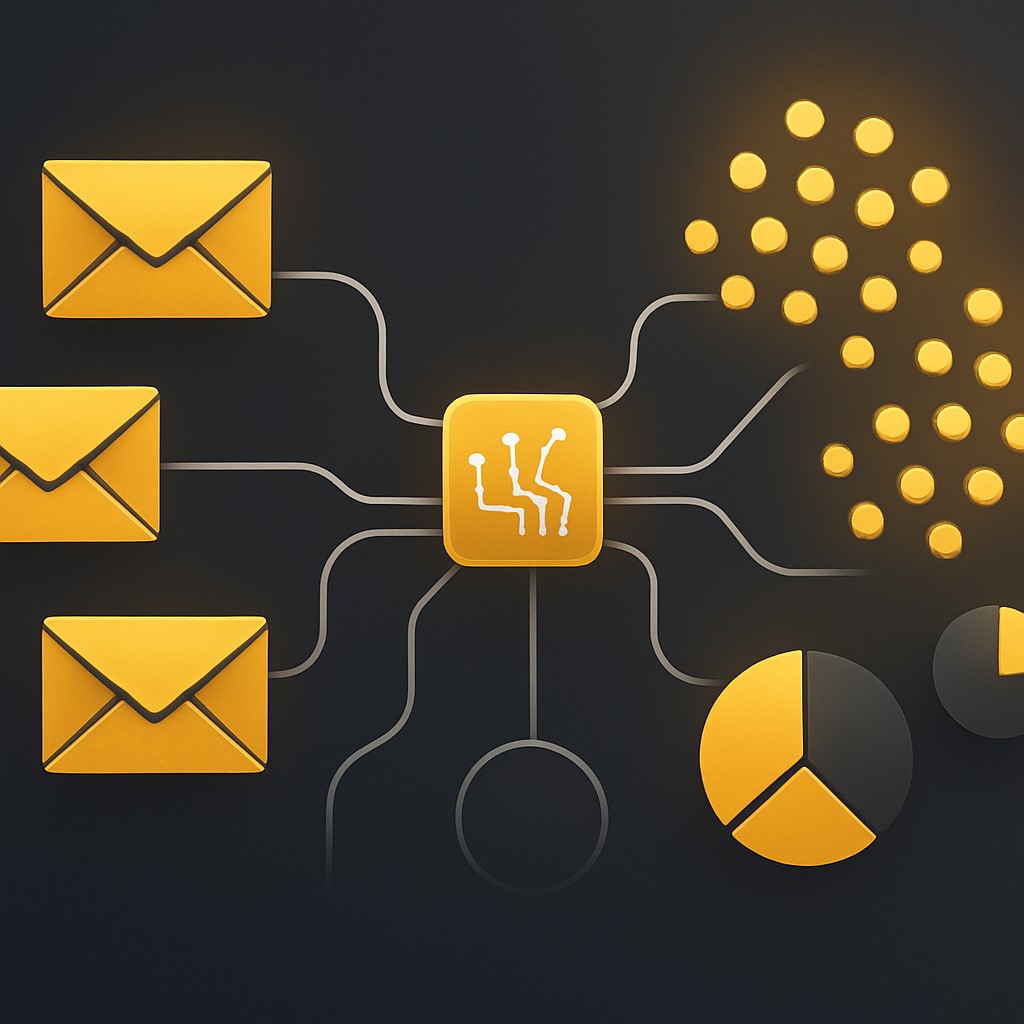
Email marketing lives or dies by relevance. Send the same generic message to your entire list and you train subscribers to ignore you. Segmentation has always been the fix, but traditional segmentation is slow, manual, and based on a handful of obvious attributes like location or sign-up date. AI changes the equation entirely. By analyzing behavior, engagement patterns, and purchase signals at scale, AI can group your leads into precise, dynamic segments that update themselves as people interact with your brand. The result is email that feels personal, arrives at the right time, and drives meaningfully better engagement and revenue.
Why Partner With AAMAX.CO for AI-Driven Segmentation
Setting up AI-powered segmentation requires the right data foundation, the right tools, and a strategy that ties segments to genuine business outcomes. AAMAX.CO can guide that process from end to end. As a full-service digital marketing company serving clients around the globe, they help businesses connect their data sources, implement AI segmentation models, and design email journeys that respond to those segments automatically. Their digital marketing team brings the strategic context that turns clever segmentation into campaigns that actually convert, so you are not just slicing your list but using those slices to grow.
Understand the Limits of Traditional Segmentation
Classic segmentation usually relies on explicit data points: the industry a contact selected, the region they live in, or the lead magnet they downloaded. These attributes are useful but shallow. They tell you who someone is on paper, not how they actually behave or where they sit in their buying journey. Two contacts in the same industry might have wildly different intent, yet a rule-based system treats them identically. Recognizing this limitation is the first step toward embracing AI, which reads the rich behavioral signals that static rules miss.
Feed AI the Right Behavioral Signals
AI segmentation is only as good as the data it learns from. The most valuable signals are behavioral: which emails a contact opens, which links they click, which pages they visit, how recently they engaged, how often they buy, and how much they spend. Bringing these signals together from your email platform, website analytics, and customer database gives the AI a complete picture of each lead. The richer and cleaner this data, the more accurate and useful the resulting segments. Investing in solid data collection pays off directly in segmentation quality.
Use AI to Discover Hidden Segments
One of AI's greatest strengths is finding patterns humans would never spot manually. Clustering techniques can group your audience based on subtle combinations of behaviors, revealing segments you did not know existed, such as a cluster of subscribers who browse frequently but rarely buy until a discount appears, or a group that engages heavily for a few weeks then goes quiet. These discovered segments often unlock the highest-impact campaigns because they reflect genuine behavior rather than assumptions. Let the AI surface these groups, then interpret them with your marketing knowledge.
Predict Intent and Lifecycle Stage
Beyond grouping similar contacts, AI can predict where each lead sits in their journey and what they are likely to do next. Predictive scoring can estimate the probability that a contact will convert, churn, or respond to a particular offer. With these predictions, you can build segments like high-intent leads ready for a sales push, at-risk subscribers who need a re-engagement campaign, or loyal customers primed for an upsell. Mapping email content to predicted lifecycle stage ensures each message matches where the person actually is rather than where you assume they are.
Automate Dynamic, Self-Updating Segments
The real power of AI segmentation is that it never stands still. Unlike a static list that you build once and forget, AI-driven segments update continuously as behavior changes. A lead who suddenly starts opening every email and visiting your pricing page can automatically move into a high-intent segment and trigger a tailored sequence. Someone who goes quiet can flow into a win-back journey. Setting up these dynamic segments inside your email platform means your campaigns adapt in real time without constant manual maintenance.
Personalize Content for Each Segment
Segmentation only delivers value when paired with content built for each group. Use your AI-defined segments to tailor subject lines, offers, send times, and messaging. A price-sensitive cluster might receive value-focused content and well-timed promotions, while a high-intent segment gets product details and social proof that nudge them toward a decision. AI can even assist with drafting these variations and recommending optimal send times per segment. The combination of smart segments and matched content is what produces the lift in opens, clicks, and conversions.
Measure, Refine, and Scale
Treat AI segmentation as an ongoing process. Track how each segment performs across opens, clicks, conversions, and revenue, and compare results against your old approach. Use those insights to refine your data inputs, adjust your segment definitions, and retire segments that no longer serve a purpose. As you build confidence, expand AI segmentation across more campaigns and channels. Continuous measurement keeps your segments sharp and ensures your strategy improves with every send.
Conclusion
Leveraging AI for lead segmentation turns email marketing from a blunt instrument into a precise, responsive engine for engagement. By feeding the AI strong behavioral data, letting it discover hidden segments, predicting intent, and automating dynamic groups, you deliver the right message to the right person every time. With a thoughtful strategy and the right support, AI segmentation becomes one of the highest-return investments you can make in your email program.
Want to publish a guest post on aamconsultants.org?
Place an order for a guest post or link insertion today.