
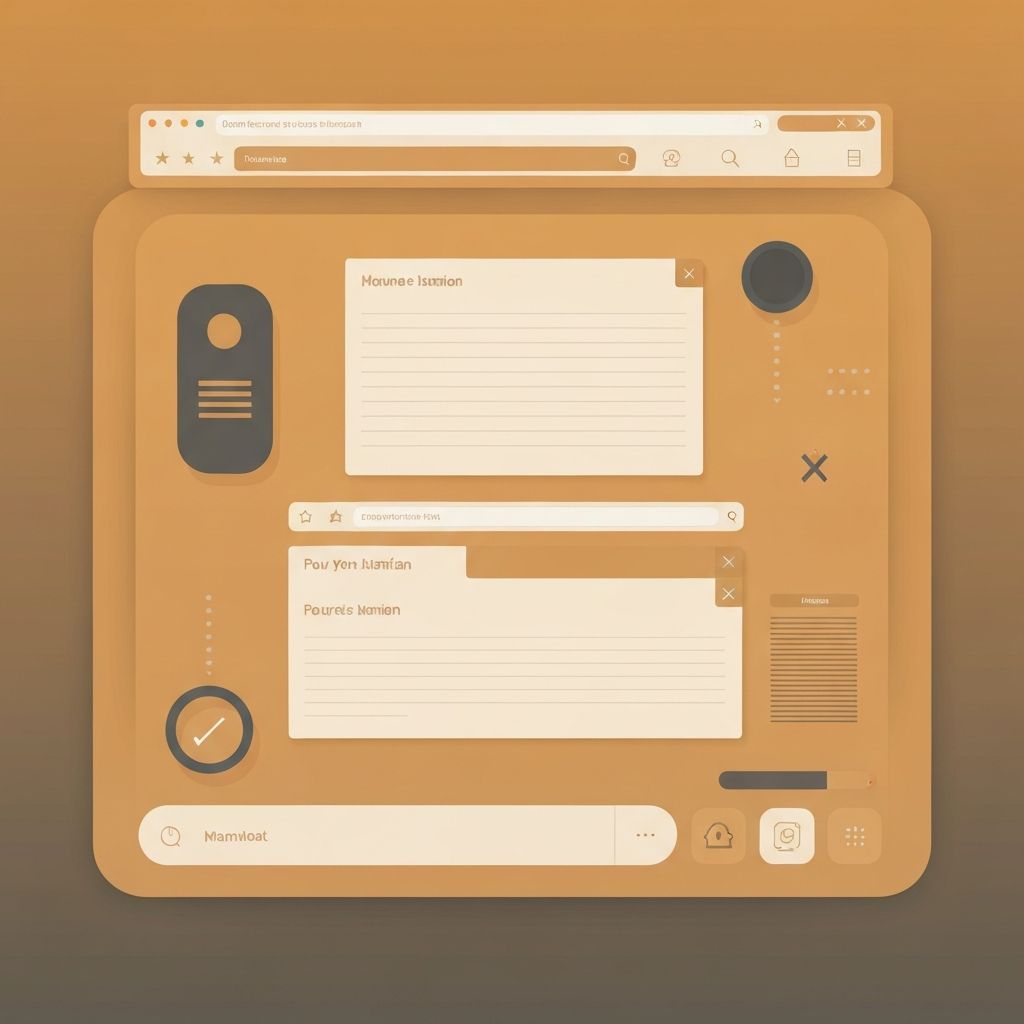
What Is Modern Retro Web Design?
Modern retro web design is a creative trend that blends nostalgic visual elements from past decades with the performance and usability standards of today's web. Think of pixel-inspired typography, bold color palettes from the eighties and nineties, retro illustrations, and classic UI motifs, all wrapped inside a fast, responsive, and accessible website. The result is a design language that feels both familiar and innovative.
This trend resonates because nostalgia is a powerful emotion. When done thoughtfully, retro elements can make a brand feel warm, distinctive, and human in a digital landscape that often feels uniform and corporate.
Hire AAMAX.CO for Standout Retro-Inspired Websites
Brands that want to stand out with a creative, retro-inspired design can hire AAMAX.CO. They offer customized website design services that combine bold creative direction with modern technical execution. Their designers know how to honor retro aesthetics without sacrificing accessibility, speed, or conversion-focused structure, ensuring the final product is as effective as it is memorable.
Hallmarks of Modern Retro Design
Several visual cues define the modern retro look. Typography often features chunky serif fonts, neon-style scripts, or pixelated display faces that reference early computing. Color palettes draw inspiration from VHS tapes, arcade machines, and old magazine ads, using rich oranges, mustard yellows, deep teals, and creamy off-whites. Illustrations and icons borrow from the styles of past eras, including hand-drawn graphics, halftone textures, and geometric patterns.
Layouts may also reference older design conventions, such as grid-heavy structures, framed sections, and even subtle imitations of CRT screens or cassette tapes. The trick is to use these cues as accents rather than letting them dominate the entire experience.
Balancing Nostalgia with Usability
The key challenge in modern retro design is balancing creative expression with usability. Retro typography can be visually striking but hard to read at small sizes, so it is often paired with clean, modern body fonts. Bright color combinations need to maintain sufficient contrast for accessibility. Decorative elements should support the message instead of distracting from it. When this balance is achieved, the design feels playful without being chaotic.
Performance Behind the Aesthetic
Although retro design celebrates the look of older technology, the underlying website should still meet modern performance standards. Heavy textures, custom fonts, and complex illustrations can slow down a site if not optimized. Using efficient image formats, subsetting fonts, and lazy loading non-critical assets helps preserve the visual richness without sacrificing speed. A retro-styled site that loads instantly feels far more polished than one that drags.
Where Modern Retro Works Best
Modern retro design fits especially well with brands that have a strong personality or a story rooted in heritage. Coffee shops, music labels, indie game studios, fashion brands, and creative agencies often use retro elements to communicate authenticity and craft. It can also be a powerful tool for product launches, limited editions, or campaigns that benefit from a distinctive visual identity. For more conservative industries, retro touches can be used selectively to add warmth without undermining trust.
Combining Retro Visuals with Modern UX
Even with bold retro visuals, the user experience should follow contemporary best practices. Clear navigation, mobile-friendly layouts, accessible forms, and fast performance are non-negotiable. Animations and micro-interactions can reinforce the retro theme while still feeling smooth and intentional. The goal is to use nostalgia as a flavor, not a constraint, so users enjoy both the look and the functionality.
Avoiding the Costume Trap
One pitfall to avoid is making the site feel like a costume rather than a brand. Piling on every retro cliché at once can come across as gimmicky and quickly become dated. The strongest modern retro designs tend to commit to a specific era, palette, or motif and use it consistently. Restraint and curation make the difference between a memorable design and one that feels overdone.
Conclusion
Modern retro web design offers a unique opportunity to stand out in a crowded digital landscape by mixing nostalgia with modern craft. Used thoughtfully, it can give a brand personality, warmth, and a sense of story that purely minimalist designs sometimes lack. With careful attention to typography, color, performance, and usability, retro elements can elevate a website rather than weigh it down. Partnering with a creative team like AAMAX.CO ensures that the final result is both visually striking and strategically sound.
Want to publish a guest post on aamconsultants.org?
Place an order for a guest post or link insertion today.