
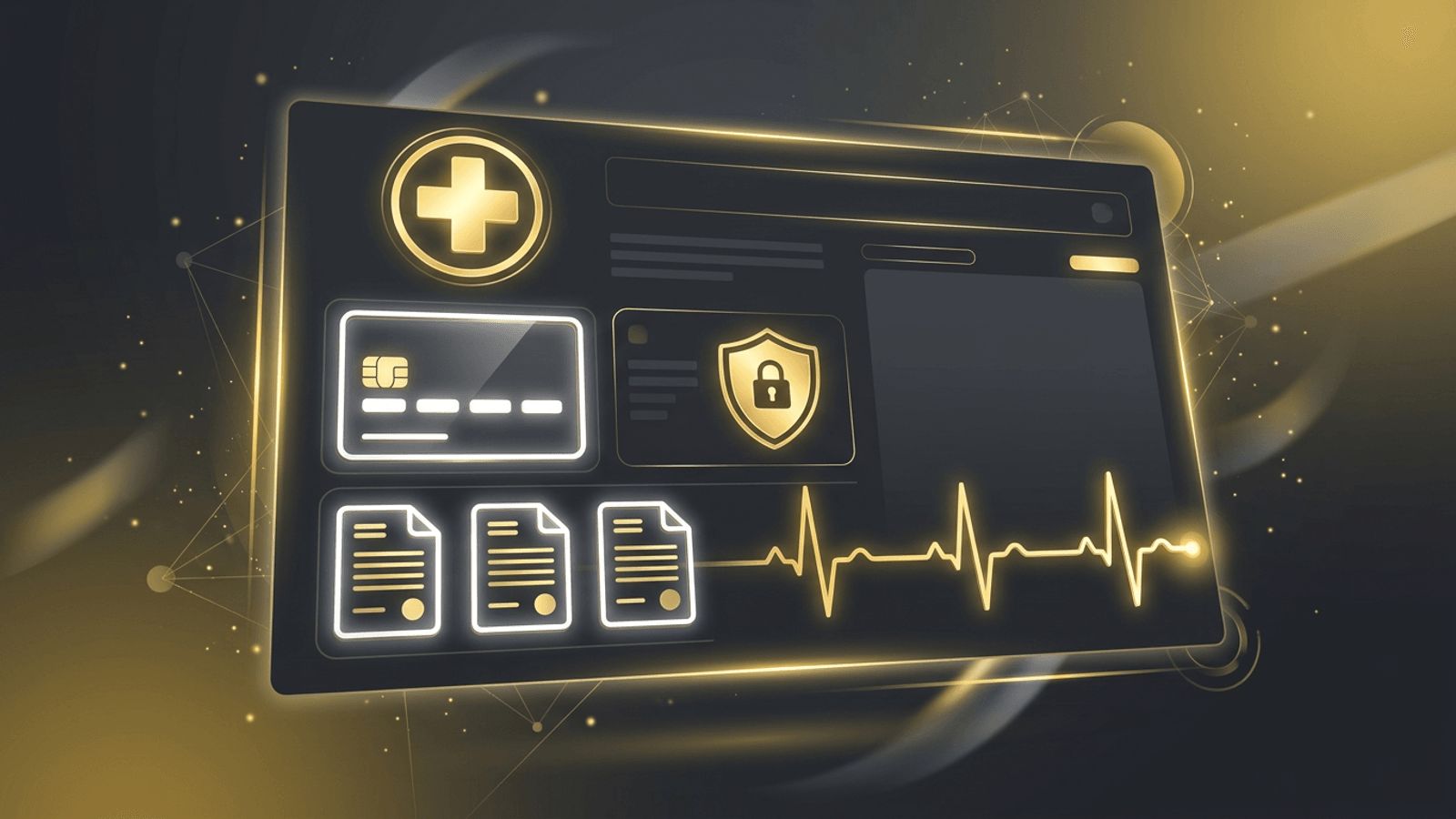
Medical billing is one of the most frustrating parts of the healthcare experience for patients. Confusing statements, unclear charges, limited payment options, and long hold times on billing phone lines all contribute to dissatisfaction and delayed payments. For healthcare providers, these problems translate into higher administrative costs, slower revenue cycles, and more bad debt. A well-designed patient billing portal solves many of these challenges by giving patients clear, secure, self-service access to their bills and payment options. This article explores the key considerations in patient billing portal web development, from compliance and security to user experience and integrations.
How AAMAX.CO Builds Secure Patient Billing Portals
Healthcare organizations need development partners who understand the importance of security, compliance, and patient-friendly design. AAMAX.CO is a full-service digital marketing company offering web development, digital marketing, and SEO services worldwide. They help providers, clinics, and billing companies build portals that simplify payments, integrate with practice management and EHR systems, and protect sensitive data. Their focus on usability ensures patients can understand and pay their bills with minimal friction, improving both satisfaction and collection rates.
Why Patient Billing Portals Matter
Patients are paying a growing share of healthcare costs through high-deductible plans, copays, and coinsurance. As patient responsibility increases, so does the importance of making billing transparent and convenient. Studies across the industry consistently show that patients are more likely to pay promptly when they can view clear statements and pay online.
For providers, billing portals reduce paper statement costs, decrease call center volume, accelerate payments, and provide better data on patient payment behavior. They also support a more modern, consumer-friendly brand experience.
Compliance and Security Requirements
Patient billing portals handle protected health information and financial data, which means compliance is non-negotiable. In the United States, HIPAA governs the privacy and security of health information, while PCI DSS sets standards for handling payment card data. Other regions have their own regulations, such as GDPR in Europe.
Security best practices include encryption of data in transit and at rest, strong authentication with multi-factor options, role-based access controls, automatic session timeouts, detailed audit logs, regular vulnerability assessments, and secure hosting environments. Using tokenized payment processing through compliant payment gateways reduces the scope of PCI requirements.
Designing a Patient-Friendly Experience
Patients come to billing portals with a wide range of digital skills, ages, and levels of health literacy. The interface should be simple, clear, and reassuring. Thoughtful website design uses plain language to explain charges, clear visual hierarchy to highlight amounts due and due dates, and prominent payment buttons.
Itemized statements should translate billing codes into understandable descriptions. Including information about insurance adjustments and remaining patient responsibility helps patients understand why they owe what they owe. Accessibility is also essential, ensuring the portal works with screen readers, keyboard navigation, and high-contrast modes.
Essential Portal Features
- Guest and account-based payment: Allow quick payments with a statement code as well as full account access.
- Multiple payment methods: Credit and debit cards, bank transfers, digital wallets, and HSA or FSA cards.
- Payment plans: Self-service enrollment in installment plans for larger balances.
- Statement history: Access to past statements and receipts for tax and insurance purposes.
- Cost estimates: Pre-service estimates that improve price transparency.
- Notifications: Email and SMS reminders for new statements and upcoming payments.
- Financial assistance: Information and applications for charity care or discounts.
- Secure messaging: A way to ask billing questions without calling.
Integrating With Healthcare Systems
A billing portal is only as good as the data behind it. Integration with practice management systems, EHRs, revenue cycle management platforms, and clearinghouses ensures that statements are accurate and payments are posted automatically. Standards such as HL7 and FHIR facilitate data exchange, though many integrations still require custom work.
Robust web application development is required to build reliable, secure connections between the portal and back-office systems. Real-time or near real-time synchronization prevents patients from seeing outdated balances or paying bills that have already been settled.
Mobile-First Considerations
Many patients will access their bills from a text message link on their phone. The portal must be fully responsive, with large touch targets, simplified forms, and support for mobile wallets. Fast loading times are crucial, as patients are less likely to complete payments on slow or clunky mobile pages.
Reducing Friction in the Payment Flow
Every extra step in the payment process reduces completion rates. Minimize required fields, pre-fill known information, and allow users to save payment methods securely for future use. Clear confirmation screens and instant email receipts reassure patients that their payment was successful.
Measuring Portal Success
Track key metrics such as portal adoption rate, online payment percentage, days in accounts receivable, call center volume related to billing, payment plan enrollment, and patient satisfaction scores. Analyzing where users abandon the payment flow helps identify opportunities for optimization.
Conclusion
Patient billing portal web development sits at the intersection of healthcare compliance, financial security, and user experience. A well-built portal makes paying medical bills simpler and less stressful for patients while improving cash flow and efficiency for providers. By prioritizing security, clarity, accessibility, and seamless integrations, healthcare organizations can transform one of the most frustrating parts of care into a smooth digital experience. For providers seeking a capable partner to build or modernize their billing portal, AAMAX.CO offers the development expertise to deliver secure, patient-centered solutions.
Want to publish a guest post on aamconsultants.org?
Place an order for a guest post or link insertion today.