
Why Project Management Matters in Web Design
Web design is rarely a solo effort. It involves designers, developers, copywriters, SEO specialists, stakeholders, and clients, all working toward a unified vision. Without strong project management, even the most talented teams can produce delayed, over-budget, or off-brand results. Project management for web design provides the framework that keeps creativity aligned with strategy, ensuring every milestone moves the project closer to launch.
From scoping the initial brief to handing off the final deliverables, project management bridges the gap between client expectations and technical execution. It defines responsibilities, sets realistic timelines, and creates the visibility needed to spot risks early. Done well, it transforms chaotic creative work into a predictable, high-quality process.
Partner with AAMAX.CO for Expertly Managed Web Design Projects
If you want a partner who treats project management as a core part of design rather than an afterthought, consider hiring AAMAX.CO. They are a full-service digital agency offering Website Design, development, and digital marketing services worldwide. Their team blends creative direction with disciplined planning, so clients get visually stunning sites delivered on time and on budget. Whether the project is a brand new build or a complex redesign, they coordinate every moving piece so stakeholders stay informed and confident.
Defining the Scope and Discovery Phase
Successful web design projects start with a thorough discovery phase. This is where project managers and designers ask the right questions: Who is the audience? What business goals must the site achieve? Which features are essential versus nice-to-have? A clear scope document prevents the dreaded scope creep that derails timelines and budgets.
During discovery, teams also gather technical requirements, brand guidelines, content sources, and integration needs. By documenting all of this upfront, project managers create a single source of truth that everyone can reference throughout the engagement.
Building Realistic Timelines and Milestones
Web design timelines should reflect the reality of creative work. Designers need time for exploration, clients need time to review, and developers need buffers for revisions and QA. Effective project managers build schedules with clear milestones such as wireframes approved, visual designs signed off, development complete, and launch readiness.
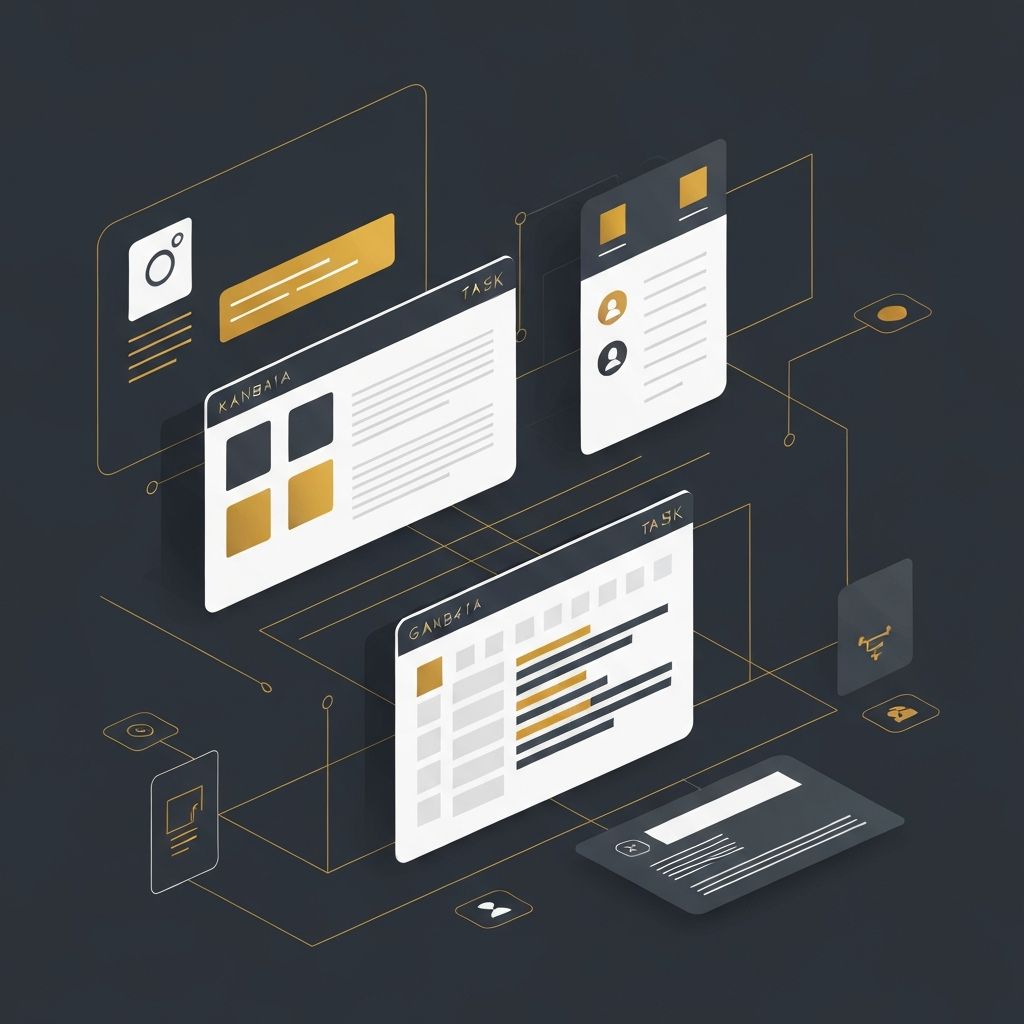
Tools like Gantt charts, Kanban boards, and sprint planning help visualize dependencies. When everyone can see how their work connects to the next stage, accountability rises and bottlenecks shrink.
Choosing the Right Tools and Workflows
The modern web design project manager has an entire ecosystem of tools to choose from. Asana, Trello, ClickUp, Jira, and Notion all support task management. Figma and Adobe XD enable real-time design collaboration. Slack and Microsoft Teams keep communication flowing. The key is to select a stack that matches the team's size, complexity, and client preferences rather than chasing every shiny new app.
Workflows should be simple enough to follow yet structured enough to enforce quality. Many agencies adopt a hybrid approach combining waterfall planning for fixed-scope deliverables and agile sprints for iterative design work.
Communication and Stakeholder Management
Strong communication is the heartbeat of any web design project. Weekly status updates, recorded design reviews, and clear approval workflows keep stakeholders engaged without overwhelming them. Project managers must translate technical jargon into business language and vice versa, ensuring decisions are understood at every level.
Setting expectations early about response times, revision rounds, and feedback formats prevents misunderstandings later. A short kickoff meeting followed by a written communication plan can save weeks of confusion.
Managing Risks, Revisions, and Quality Assurance
Every web design project encounters surprises: a client changes direction, a third-party API breaks, or browser testing reveals unexpected bugs. Skilled project managers anticipate these risks and build contingency time into the schedule. They also enforce structured revision rounds, so feedback is consolidated and actionable rather than scattered.
Quality assurance is more than testing at the end. It includes accessibility checks, performance audits, SEO reviews, and cross-device testing throughout the project. A culture of continuous QA reduces last-minute panic before launch.
Launch, Handover, and Continuous Improvement
Launching a website is not the finish line, it is a checkpoint. Strong project management includes a structured handover with documentation, training, and a post-launch monitoring plan. Analytics, heatmaps, and user feedback inform ongoing iterations that keep the site performing at its best.
By treating each project as a learning opportunity, teams refine their processes over time. The result is faster delivery, happier clients, and websites that consistently meet business goals.
Want to publish a guest post on aamconsultants.org?
Place an order for a guest post or link insertion today.