
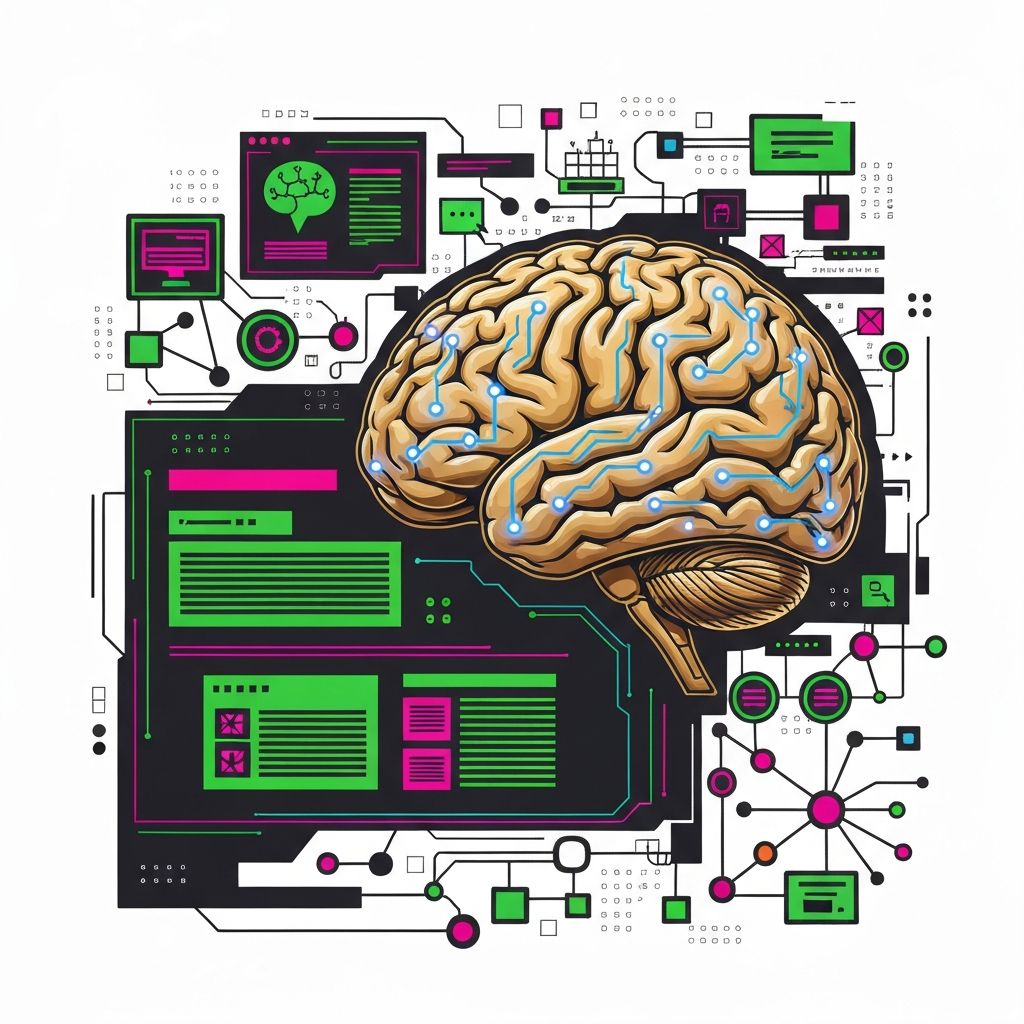
How Psychology Shapes Modern Web Design
Every great website is, at its core, a psychological experience. Visitors arrive with goals, emotions, and biases, and the design either supports or fights against them. The psychology of web design studies how people perceive, interpret, and respond to digital interfaces. Understanding it allows designers to create experiences that feel intuitive, persuasive, and memorable.
This goes far beyond making things look attractive. It involves cognitive load, attention, decision making, emotion, and trust, all working together to guide users from curiosity to action.
Hire AAMAX.CO for Psychology-Driven Web Design
Brands that want websites built around how people actually think and behave can hire AAMAX.CO. They combine strategic Website Design, development, and digital marketing to create experiences grounded in user psychology. Their team studies audiences, maps decision journeys, and crafts visuals and copy that align with real motivations. The result is not just a beautiful website but a high-performing platform that converts visitors into customers.
Cognitive Load and the Limits of Attention
Human attention is limited and easily overwhelmed. The psychology of web design teaches that every additional element competes for cognitive bandwidth. Cluttered pages, complex navigation, and excessive choices increase cognitive load and reduce conversions. Clean layouts, clear hierarchies, and progressive disclosure respect users' mental energy.
Designers can use techniques like chunking information, using whitespace, and prioritizing one primary action per screen to keep cognitive load manageable.
Color Psychology and Emotion
Colors carry emotional weight. Warm tones can feel energetic and urgent, while cool tones can feel calm and trustworthy. Cultural context also matters, as the same color may carry different meanings in different regions. Strategic use of color can highlight calls to action, signal status, and reinforce brand identity.
However, color must be paired with sufficient contrast and accessibility. Aesthetic choices that exclude users with color blindness or low vision undermine the very emotions designers are trying to evoke.
Typography, Readability, and Trust
Typography is one of the most underrated psychological tools in web design. Fonts communicate personality before a single word is read. Serif fonts often feel traditional and authoritative, while geometric sans-serifs feel modern and efficient. Typography also affects readability, which directly influences trust and comprehension.
Generous line spacing, balanced column widths, and clear hierarchy help users feel at ease while reading. Well-set type signals professionalism and attention to detail, both of which build credibility.
Persuasion Principles in Web Design
Designers can ethically apply persuasion principles such as social proof, scarcity, authority, reciprocity, and consistency. Showing customer logos, testimonials, and review counts taps into social proof. Limited-time offers and stock indicators leverage scarcity. Awards, certifications, and expert endorsements signal authority.
The key word is ethically. Manipulative dark patterns may boost short-term metrics but erode long-term trust and brand reputation. The psychology of web design works best when it serves users as much as the business.
Visual Hierarchy and Eye Movement
Eye-tracking studies show that users scan websites in predictable patterns, often in F or Z shapes. Designers can support this behavior with strong visual hierarchies, where the most important elements, such as headlines and primary calls to action, sit along the natural eye path. Size, color, contrast, and placement all guide the eye.
Imagery also plays a psychological role. Faces tend to attract attention, and the gaze of people in photos can lead users to look in the same direction, which can be used to highlight important content or actions.
Trust, Familiarity, and Conversion
Trust is the ultimate currency in web design. Familiar layouts, consistent branding, secure forms, transparent pricing, and genuine human imagery all increase trust. Microinteractions, like subtle hover effects or animated confirmations, reassure users that the site is responsive and reliable.
By combining cognitive science, emotional design, and ethical persuasion, the psychology of web design transforms ordinary websites into experiences that feel intuitive, trustworthy, and genuinely valuable to the people who use them.
Want to publish a guest post on aamconsultants.org?
Place an order for a guest post or link insertion today.