
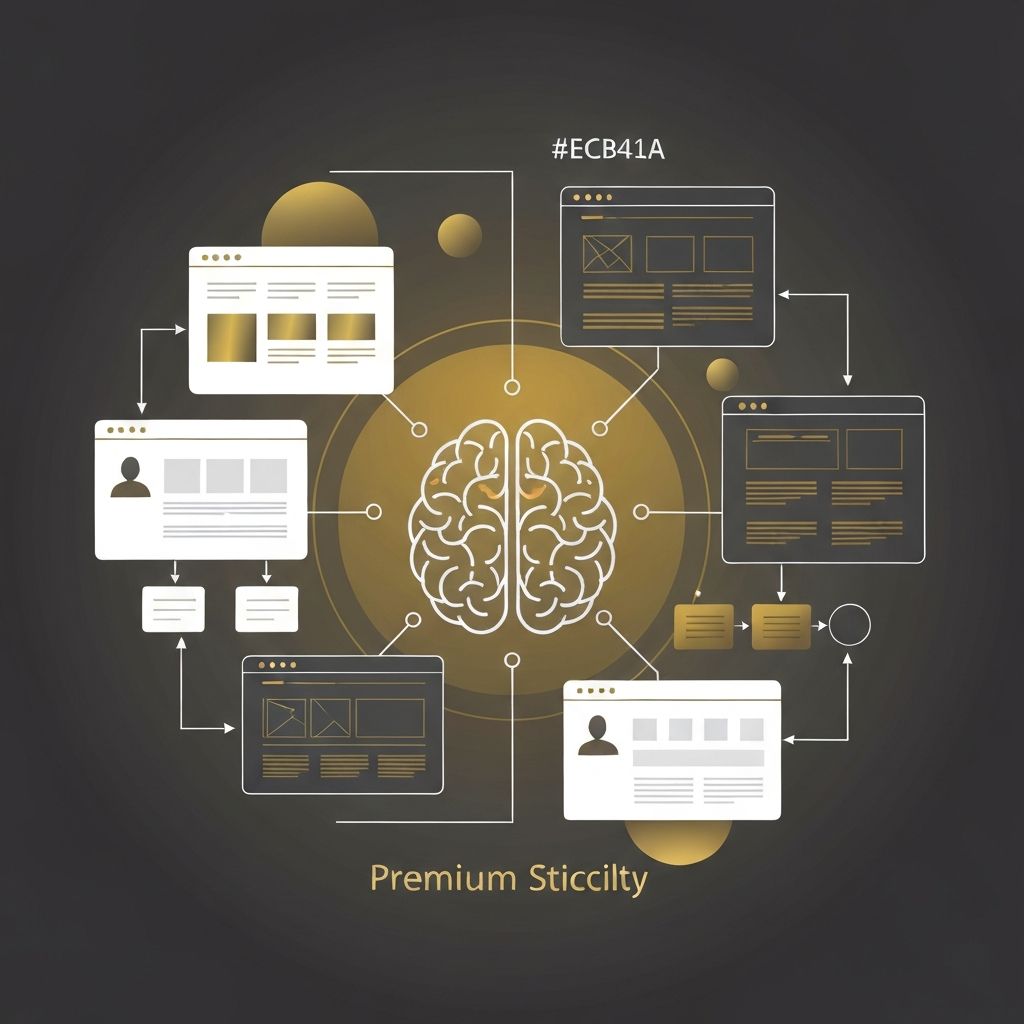
Designing Websites for the Psychology Industry
Psychology web design covers a wide range of digital products, from individual therapist websites to large clinics, online therapy platforms, and educational resources. Each of these audiences has different needs, but they all share a common requirement: the website must be sensitive, trustworthy, and clear. Visitors are often navigating personal challenges, and even small design missteps can break their trust.
Successful psychology web design blends warm aesthetics, ethical communication, and intuitive functionality, creating digital spaces that feel as supportive as the services they represent.
Hire AAMAX.CO for Specialist Psychology Web Design
Mental health organizations and online therapy platforms can rely on AAMAX.CO to deliver thoughtful, conversion-focused websites. They offer comprehensive Web Application Development, design, and digital marketing services tailored for sensitive industries. Their team understands the importance of secure data handling, ethical messaging, and accessible interfaces, ensuring that every visitor feels respected and every business goal is met.
Audience Segmentation and User Journeys
Psychology websites often serve multiple audiences at once: prospective clients, current clients, referring professionals, and even potential team members. Effective psychology web design starts by mapping clear user journeys for each group. What does a first-time visitor need to feel safe enough to book a consultation? What does an existing client need to manage appointments and resources?
Dedicated landing pages, intuitive navigation, and well-organized resource hubs ensure that each audience finds what they need without friction.
Tone of Voice and Content Strategy
Tone of voice is critical in psychology web design. Copy should feel human, supportive, and grounded, never sales-driven or alarmist. Headlines should validate the visitor's experience, while body copy explains services in simple, respectful language. Avoid clinical jargon unless the target audience expects it, such as on pages aimed at fellow professionals.
A long-term content strategy, including blog posts, guides, and FAQs, positions the practice as an authority. Well-researched content also drives organic traffic and educates visitors who may not be ready to book yet.
Visual Design That Feels Safe
Visual design choices subtly shape how visitors feel. Calming color palettes, soft photography, and generous whitespace create a sense of safety. Avoid stock images that feel staged or stereotypical. Instead, use authentic photography, custom illustrations, or abstract visuals that reflect the diversity of clients and the values of the practice.
Consistent branding across the website, social media, and printed materials reinforces professionalism. Visitors who recognize the brand across channels feel more comfortable taking the next step.
Accessibility and Inclusion
Many people seeking psychology services live with conditions that affect attention, vision, hearing, or motor control. Accessibility is therefore not a checkbox but a core design principle. Strong color contrast, scalable typography, descriptive alt text, captioned videos, and full keyboard navigation make the site usable for everyone.
Inclusive imagery and language also matter. Representing diverse ages, cultures, and identities signals that the practice welcomes a wide range of clients.
Booking, Telehealth, and Secure Communication
Psychology web design increasingly incorporates online booking systems, telehealth integrations, and secure messaging. These features must be elegantly integrated, not bolted on as afterthoughts. Clear instructions, calm onboarding flows, and reassuring confirmations help anxious users complete the steps needed to access care.
Security and compliance are non-negotiable. Data must be encrypted, privacy policies must be transparent, and any third-party tools must meet relevant regulatory standards in the regions the practice serves.
Measuring What Matters
Beyond traffic and rankings, psychology websites must measure outcomes that matter: consultation requests, booking completions, resource downloads, and ongoing engagement. Analytics should respect user privacy while providing insights into which content and pathways are most useful. Iterative improvements, guided by data and ethics, keep the website aligned with both audience needs and business goals.
By treating every design and content decision as an opportunity to support visitors, psychology web design becomes a true extension of the care that practices provide offline.
Want to publish a guest post on aamconsultants.org?
Place an order for a guest post or link insertion today.