
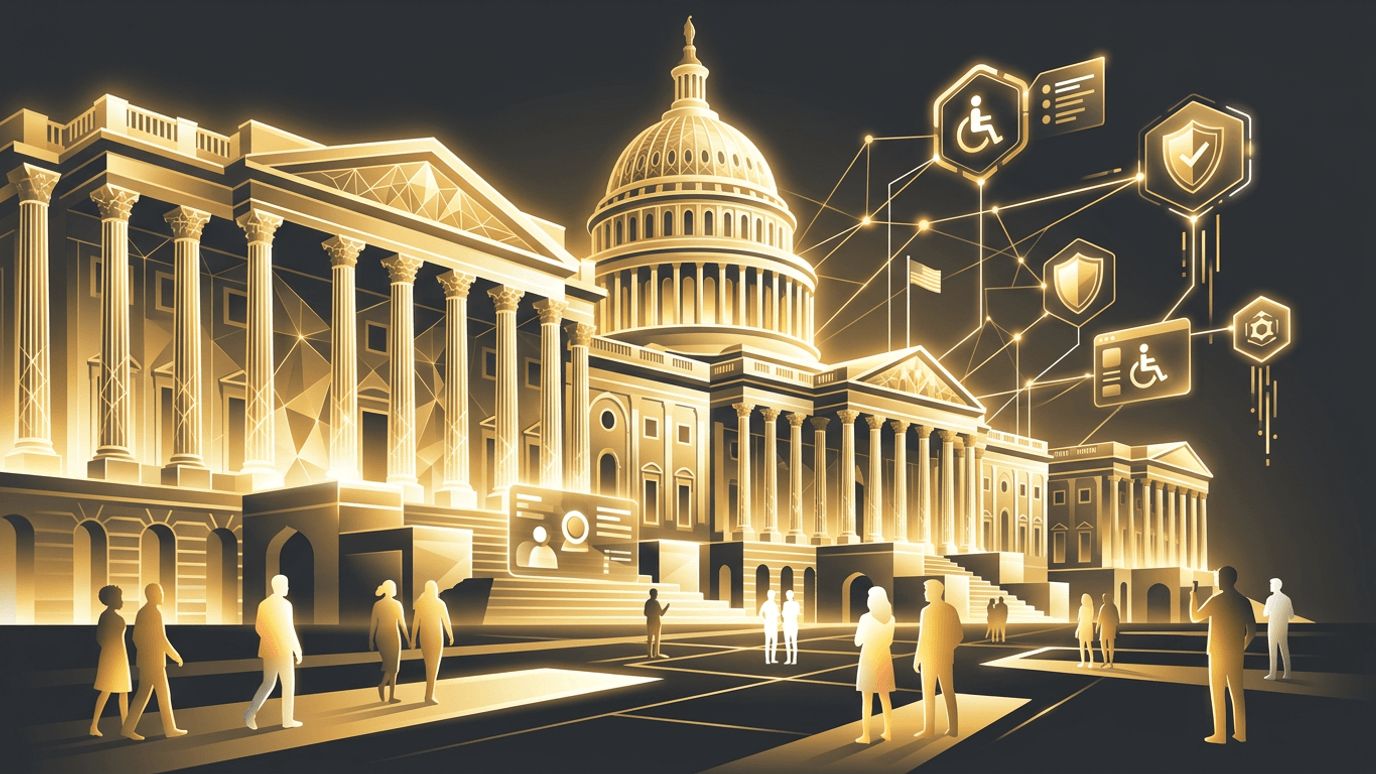
Citizens today expect the same convenience from government services that they experience with banking, shopping, and entertainment apps. They want to renew licenses, pay taxes, apply for permits, access benefits, and report issues online, quickly and securely, from any device. Public sector web application development makes this possible, transforming how agencies at the federal, state, and local levels serve their communities. However, building applications for government and public institutions involves unique requirements around accessibility, security, compliance, transparency, and procurement that set it apart from private sector projects.
How AAMAX.CO Supports Public Sector Digital Projects
Public institutions modernizing their digital services can benefit from working with AAMAX.CO, a full service digital marketing company offering Web Development, Digital Marketing, and SEO services worldwide. Their team builds accessible, secure, and user-friendly web applications that make it easier for citizens to find information and complete tasks online. They prioritize clear design, strong performance, and discoverability, ensuring that important public services reach the people who need them. Their structured process and transparent communication align well with the accountability expected in public sector work.
The Importance of Digital Government Services
Digital services reduce wait times, lower administrative costs, and make government more accessible to people who cannot easily visit offices in person. They also improve transparency by giving citizens access to data, records, and decision-making processes. During emergencies, online applications allow agencies to distribute information and assistance rapidly. Well-designed public sector applications build trust between governments and the communities they serve.
Common Types of Public Sector Web Applications
- Citizen service portals: Centralized hubs for applying for permits, licenses, and benefits.
- Online payment systems: Platforms for paying taxes, utility bills, fines, and fees.
- 311 and issue reporting apps: Tools for reporting potholes, streetlight outages, and other community issues.
- Case management systems: Internal applications for managing social services, court cases, and inspections.
- Open data portals: Platforms that publish government datasets for public use.
- Public health applications: Systems for appointment scheduling, records access, and health information.
- Education platforms: Portals for school enrollment, student records, and learning resources.
- Emergency alert systems: Applications that communicate critical updates to residents.
Accessibility Is Non-Negotiable
Public sector applications must serve everyone, including people with disabilities. In the United States, Section 508 of the Rehabilitation Act and the Americans with Disabilities Act require accessible digital services, typically aligned with WCAG 2.1 or 2.2 Level AA standards. Accessible development includes semantic HTML, keyboard navigation, screen reader compatibility, sufficient color contrast, captions for video, clear form labels, and error messages that are easy to understand. Accessibility testing with automated tools and real users should be part of every project.
Security and Data Protection
Government applications handle sensitive personal information, financial data, and sometimes classified material, making them attractive targets for cyberattacks. Security requirements often include encryption in transit and at rest, multi-factor authentication, role-based access control, audit logging, vulnerability scanning, and penetration testing. Federal cloud services may require FedRAMP authorization, while agencies may follow NIST cybersecurity frameworks. State and local governments often have their own security standards.
Compliance and Regulatory Requirements
Beyond accessibility and security, public sector applications may need to comply with privacy laws, records retention requirements, open records regulations, and industry-specific rules such as HIPAA for health services or CJIS for criminal justice information. Understanding these requirements early prevents costly redesigns and ensures legal compliance.
User-Centered Design for Government
Government services are used by people with diverse ages, languages, technical abilities, and devices. User-centered design involves researching real user needs, testing prototypes with residents, writing in plain language, and simplifying complex processes. Resources like the U.S. Web Design System provide accessible, consistent design components for federal websites. Strong website design makes it easier for citizens to complete tasks without calling or visiting an office.
Mobile-First and Multilingual Support
Many residents access government services primarily through smartphones. Mobile-first design ensures forms, documents, and payment flows work seamlessly on small screens. Multilingual support helps agencies serve diverse communities, with translations for commonly spoken languages and culturally appropriate content.
Modernizing Legacy Systems
Many agencies rely on decades-old systems that are costly to maintain and difficult to integrate. Modernization strategies include building modern web front ends on top of legacy back ends, migrating data to cloud platforms, and gradually replacing outdated components. An incremental approach reduces risk and allows agencies to deliver improvements continuously rather than waiting for a massive overhaul.
Procurement and Agile Delivery
Traditional government procurement often favors large, fixed-scope contracts, which can lead to delayed and over-budget projects. Many agencies are now adopting agile procurement practices, breaking projects into smaller phases, prioritizing working software, and incorporating user feedback continuously. Clear requirements, transparent reporting, and measurable outcomes help ensure accountability.
Technology Choices for Public Sector Applications
Public sector projects commonly use stable, well-supported technologies such as .NET, Java, Python, and modern JavaScript frameworks like React and Next.js. Open-source solutions are increasingly popular for transparency and cost savings. Cloud platforms like AWS GovCloud, Azure Government, and Google Cloud offer compliant hosting environments. Choosing technologies with long-term support and a strong talent pool ensures sustainability.
Performance and Reliability
Public services must remain available during peak demand, such as tax deadlines, benefit enrollment periods, and emergencies. Scalable cloud infrastructure, load testing, caching, and content delivery networks prevent outages. Monitoring and incident response plans ensure quick recovery if issues arise. Professional web application development builds reliability into the architecture from the start.
Measuring Success
Agencies should track metrics such as online task completion rates, user satisfaction scores, reduced call center volume, processing times, accessibility compliance, and system uptime. These measurements demonstrate value to stakeholders and guide continuous improvement.
Conclusion
Public sector web application development plays a vital role in making government services more accessible, efficient, and transparent. Success requires careful attention to accessibility, security, compliance, user-centered design, and reliable performance. By embracing agile delivery, modern technologies, and continuous improvement, agencies can build digital services that meet citizens' expectations and strengthen trust in public institutions.
Want to publish a guest post on aamconsultants.org?
Place an order for a guest post or link insertion today.