
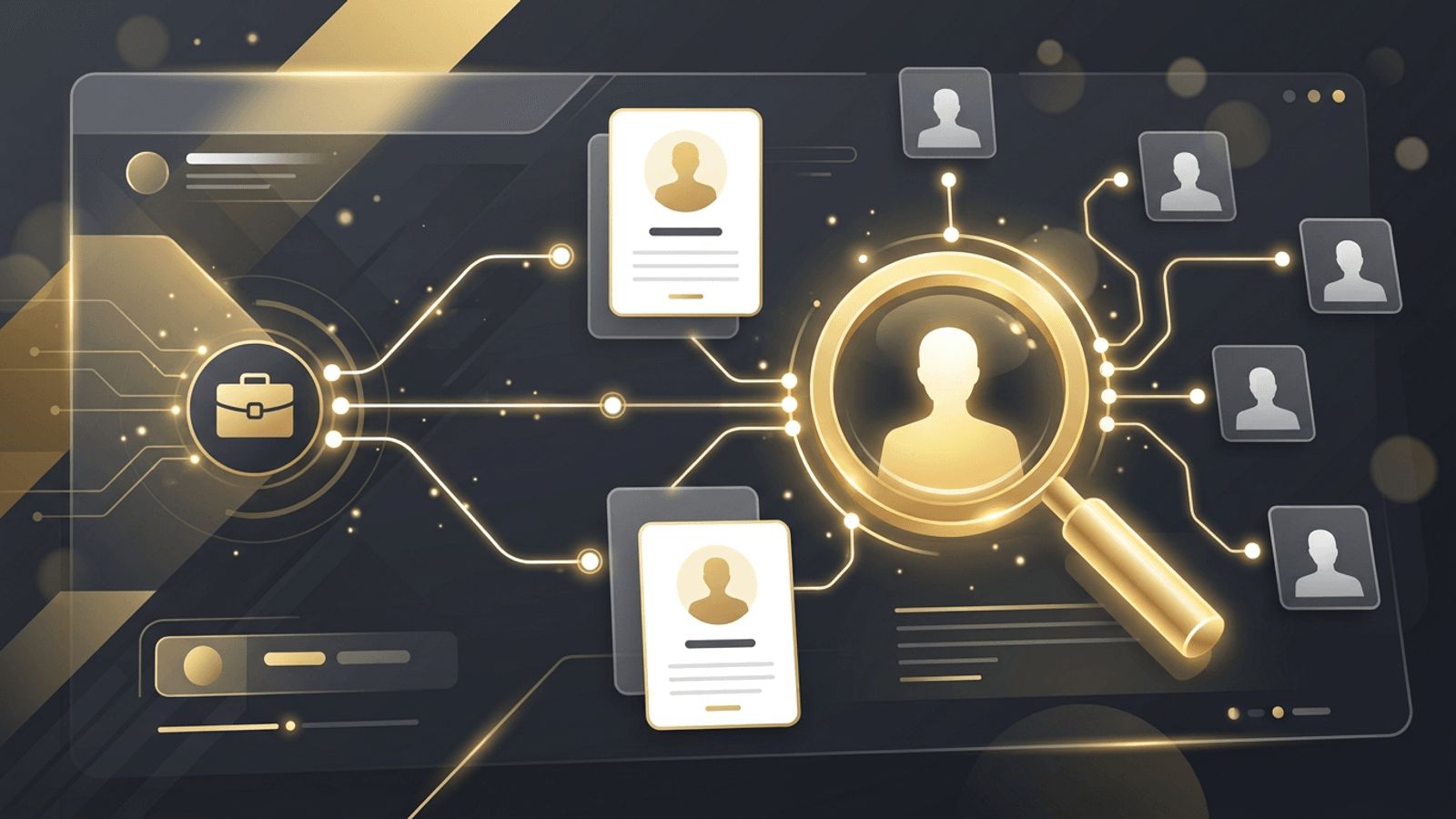
Hiring has become one of the most competitive and complex challenges businesses face. Recruitment agencies, staffing firms, HR departments, and job boards must attract qualified candidates, manage high application volumes, coordinate with hiring managers, and deliver a positive experience for everyone involved. Traditional methods relying on email, spreadsheets, and disconnected tools are no longer sufficient. Recruitment web portal development services help organizations build centralized platforms that streamline hiring, improve candidate engagement, and deliver better outcomes faster.
How AAMAX.CO Builds Recruitment Portals
Recruitment agencies and HR teams looking for a custom hiring platform can partner with AAMAX.CO. They are a full-service digital marketing company offering web development, digital marketing, and SEO services worldwide. Their developers build recruitment portals with powerful job posting tools, candidate profiles, applicant tracking, smart matching, and employer dashboards. They focus on creating intuitive experiences for candidates, recruiters, and employers alike. With added SEO expertise, they also help recruitment portals rank for job-related searches, attracting more candidates and clients organically.
What Is a Recruitment Web Portal
A recruitment web portal is an online platform that connects job seekers, recruiters, and employers. Candidates can search and apply for jobs, create profiles, and track application status. Recruiters manage job listings, screen applicants, schedule interviews, and communicate with candidates. Employers review shortlisted candidates, provide feedback, and make hiring decisions.
Recruitment portals can serve internal HR departments, staffing agencies, niche job boards, or large-scale marketplaces connecting multiple employers with candidates.
Key Features of Recruitment Portals
Effective recruitment portals include a range of features. Job posting and management tools allow recruiters to create, publish, and update listings easily. Advanced search and filtering help candidates find relevant opportunities by location, salary, industry, experience level, and remote options.
Candidate profiles and resume uploads streamline applications. Applicant tracking systems organize candidates through hiring stages. Interview scheduling, messaging, notifications, and reporting dashboards improve collaboration and efficiency.
Smart Matching and AI Features
Modern recruitment portals increasingly use AI to improve hiring outcomes. Resume parsing extracts skills, experience, and education automatically. Matching algorithms recommend candidates for jobs and jobs for candidates based on qualifications and preferences.
AI-powered chatbots can answer candidate questions, pre-screen applicants, and schedule interviews. These features reduce manual workload and help recruiters focus on high-value interactions. Building such capabilities requires expertise in web application development and data processing.
Candidate Experience Matters
A positive candidate experience strengthens employer brands and increases application completion rates. Complicated forms, slow pages, and lack of communication drive candidates away. Recruitment portals should offer simple applications, mobile-friendly interfaces, and clear status updates.
Thoughtful website design ensures portals are intuitive and engaging. Features like one-click applications, saved searches, job alerts, and personalized recommendations keep candidates coming back.
Employer and Recruiter Dashboards
Recruiters and employers need efficient tools to manage hiring pipelines. Dashboards provide overviews of open positions, application volumes, candidate stages, and key metrics such as time-to-hire. Collaboration features allow team members to share notes, rate candidates, and coordinate decisions.
For staffing agencies, client portals let employers review candidates, approve placements, and access reports, improving transparency and client satisfaction.
Integrations With HR Systems
Recruitment portals often integrate with existing HR technology. Connections with HRIS platforms, background check services, assessment tools, video interviewing software, calendar systems, and job boards automate workflows and reduce duplicate data entry.
Integration with job aggregators and social platforms expands job reach, while CRM integrations help agencies manage relationships with clients and candidates.
SEO for Recruitment Portals
Job seekers often begin their search on search engines. SEO-optimized job listings with structured data can appear in job search features, driving significant organic traffic. Location and category landing pages target specific search terms, increasing visibility.
Fast, well-structured website development ensures that search engines can crawl and index job listings efficiently, maximizing exposure for each opening.
Security and Data Privacy
Recruitment portals handle sensitive personal information, including resumes, contact details, and employment history. Strong security measures are essential, including encryption, secure authentication, role-based access, and regular security audits. Compliance with data protection regulations such as GDPR requires consent management, data retention policies, and candidate data access rights.
Choosing a Development Partner
When selecting a recruitment portal development partner, look for experience building marketplaces, portals, or HR technology. Ask about their approach to user experience, matching algorithms, integrations, and security. Request examples of similar projects and inquire about post-launch support and scalability planning.
Monetization Models for Job Portals
Recruitment portals that serve multiple employers can generate revenue in several ways. Common models include paid job postings, featured listings, subscription plans for employers, resume database access, and premium candidate services such as profile highlighting. A flexible portal architecture makes it easy to introduce, test, and adjust these models as the platform grows, turning the portal into a sustainable business asset.
Conclusion
Recruitment web portal development services empower organizations to modernize hiring, improve candidate experiences, and make better decisions faster. With features such as smart matching, applicant tracking, employer dashboards, and SEO-optimized job listings, a custom portal becomes a competitive advantage. Partnering with an experienced development team ensures your platform is secure, scalable, and built to attract top talent.
Want to publish a guest post on aamconsultants.org?
Place an order for a guest post or link insertion today.