
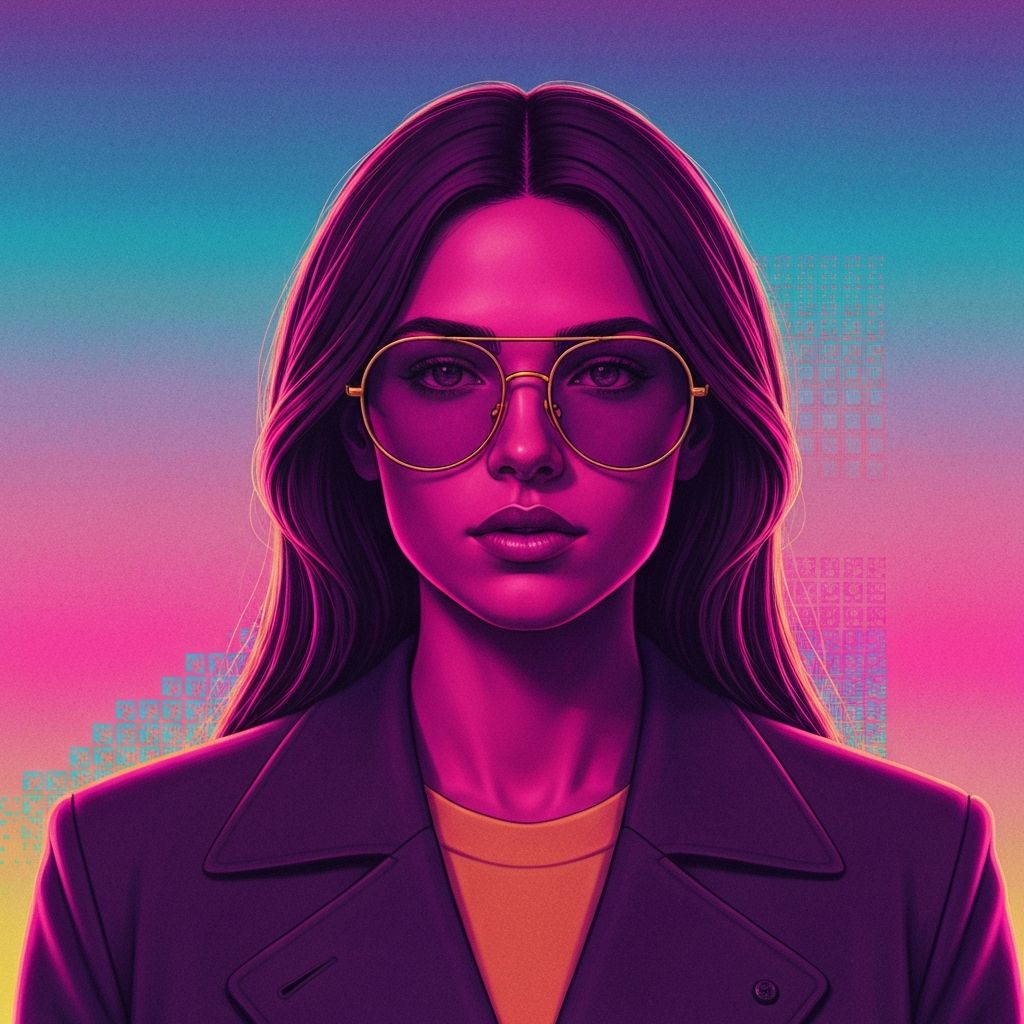
The Comeback of Retro Web Design
Retro web design is making a powerful comeback as brands look for ways to stand out from the sea of minimalist, sterile websites that dominate the modern internet. By drawing inspiration from the visual styles of the 70s, 80s, and 90s—think bold typography, pixel art, neon gradients, geometric patterns, and even intentionally "clunky" layouts—retro design creates an emotional connection that purely modern aesthetics often miss.
This nostalgic approach taps into the psychology of warmth, fun, and authenticity. For brands targeting millennials and Gen Z, who appreciate both irony and craftsmanship, retro web design offers a way to feel both fresh and familiar. The trick is balancing vintage charm with modern usability and performance standards.
Hire AAMAX.CO for Retro Web Design
If you're considering retro web design for your brand, AAMAX.CO can help you nail the balance between nostalgia and modern performance. They are a full-service digital agency offering web design, development, and SEO services worldwide. Their designers understand how to incorporate vintage aesthetics without sacrificing speed, accessibility, or mobile responsiveness. Visit AAMAX.CO to explore how their website development team can bring your retro vision to life.
Key Visual Elements of Retro Design
Retro web design encompasses a wide range of eras and styles, each with its own signature elements. The 70s evoke earthy color palettes, groovy curves, and serif typefaces. The 80s bring synthwave neons, geometric grids, and chrome textures. The 90s contribute pixel art, animated GIFs, marquee text, and a charmingly chaotic layout aesthetic often called "Web 1.0."
Designers can blend these influences or commit to a single decade depending on the brand story. Color choices are crucial—muted oranges and browns for 70s vibes, hot pinks and electric blues for 80s synthwave, or beige and forest green for early-90s nostalgia. Typography should match, with bold display fonts setting the tone.
Balancing Nostalgia with Usability
The biggest pitfall of retro web design is sacrificing usability for aesthetic. Just because old websites had tiny click targets, autoplaying music, and confusing navigation doesn't mean yours should. Modern retro design uses vintage visuals while adhering to contemporary UX principles: clear hierarchy, accessible color contrast, fast load times, and mobile-friendly layouts.
Think of it as a curated tribute rather than a literal recreation. The goal is to evoke the feeling of an era, not to inconvenience your users. Animations should be smooth, fonts should be legible, and the overall experience should feel intentional and polished.
Where Retro Design Works Best
Not every brand benefits from a retro aesthetic. The style works particularly well for creative agencies, music brands, fashion labels, indie game studios, breweries, restaurants, and anyone targeting younger audiences who appreciate cultural references. It can also be effective for product launches that lean into a specific time period—like a vinyl record store or a vintage clothing shop.
However, financial institutions, healthcare providers, and B2B SaaS companies may want to approach retro elements more cautiously, perhaps limiting the style to marketing campaigns rather than the core website.
Modern Tools for Retro Effects
Today's web technologies make retro effects easier and more performant than ever. CSS gradients can recreate 80s sunsets, SVG animations replace clunky GIFs, and custom web fonts deliver vintage typography without sacrificing load speed. Libraries like GSAP enable smooth, retro-inspired animations that would have crashed browsers in 1999.
WebGL and Three.js can even create 3D retro experiences—think wireframe mountains and chrome text floating in space—that fully immerse users in a synthwave dream world.
SEO and Performance Considerations
Retro doesn't have to mean slow. Modern retro websites should still hit Core Web Vitals targets, support mobile devices, and rank well in search engines. Optimize images, lazy-load animations, and use semantic HTML to ensure accessibility. Search engines and users alike will reward a beautiful retro site that loads in under two seconds.
Storytelling Through Retro Aesthetics
Beyond visuals, retro web design offers powerful storytelling opportunities. Brands can build narratives around specific eras—a coffee roaster channeling 70s diner vibes, a software company evoking the optimism of early personal computing, or a streetwear label paying homage to 90s skate culture. This storytelling deepens emotional engagement and creates shareable, memorable experiences.
Conclusion
Retro web design offers a refreshing alternative to the bland uniformity of modern web aesthetics. When executed thoughtfully—with attention to usability, performance, and brand alignment—it creates standout digital experiences that resonate emotionally with audiences. Whether you're embracing 80s neons or 90s pixel art, retro design can transform your website into a memorable, share-worthy destination.
Want to publish a guest post on aamconsultants.org?
Place an order for a guest post or link insertion today.