
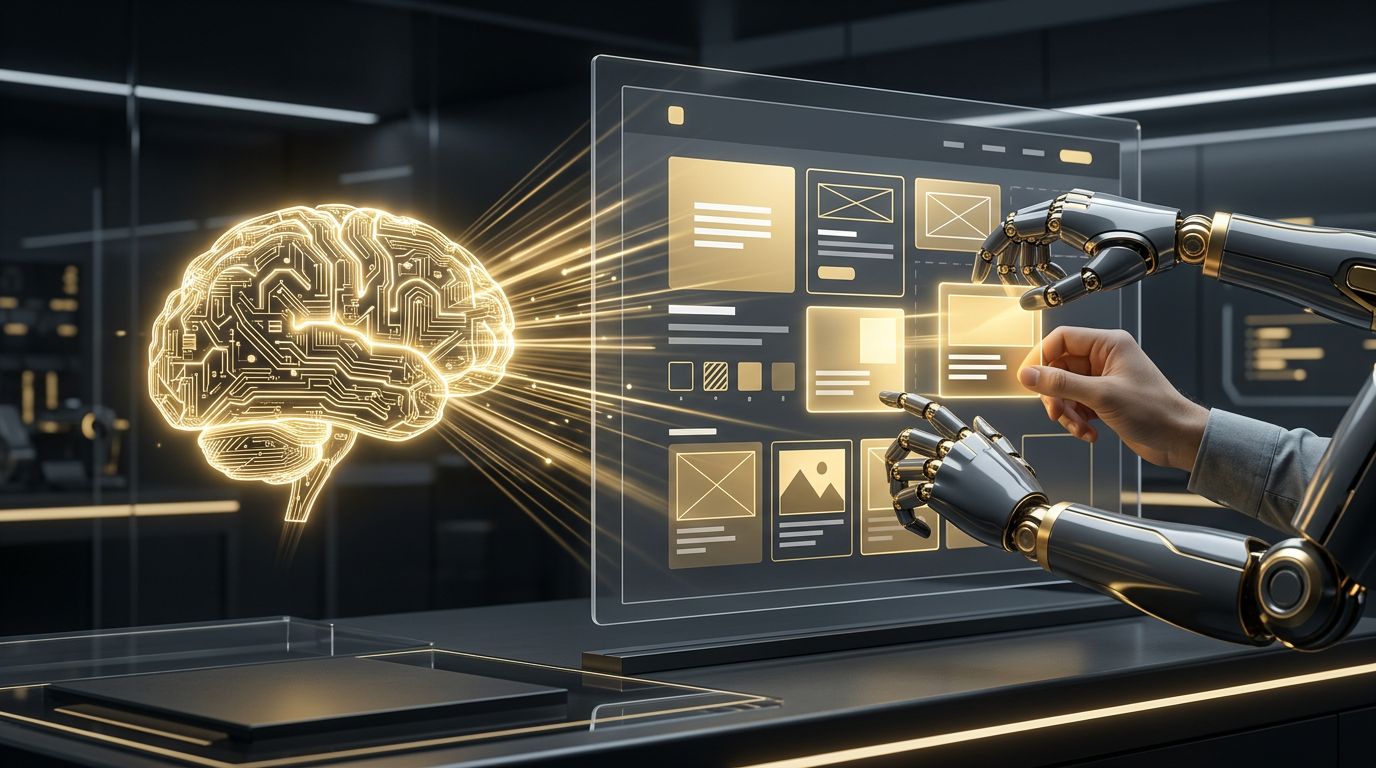
Artificial intelligence is reshaping nearly every industry, and web development is no exception. From AI coding assistants that write and review code to intelligent features that personalize user experiences, AI is changing both how websites are built and what they can do. Understanding the role of AI in web development is now essential for developers, designers, marketers, and business owners alike. This article explores how AI is transforming the development process, the AI-powered features users increasingly expect, and how businesses can adopt these technologies responsibly and effectively.
AAMAX.CO: Combining AI Innovation With Proven Web Expertise
AI tools are powerful, but they deliver the best results in the hands of experienced professionals. AAMAX.CO is a full-service digital marketing company offering web development, digital marketing, and SEO services worldwide. Their team uses modern tools, including AI-assisted workflows, to build faster and smarter while maintaining the human judgment needed for quality, security, and brand consistency. They can integrate AI-powered features like chatbots, smart search, and personalization into websites, ensuring they genuinely improve user experience and business outcomes. Businesses looking for forward-thinking website design and development can count on them to blend innovation with reliability.
AI-Assisted Coding and Development
One of the most visible roles of AI in web development is coding assistance. Tools powered by large language models can suggest code completions, generate entire functions from natural language descriptions, explain unfamiliar code, and propose fixes for errors. Developers use these assistants to speed up routine work such as writing boilerplate, creating unit tests, and converting designs into components.
This does not replace developers. Instead, it shifts their focus toward architecture, problem-solving, code review, and user experience. AI-generated code still requires careful review for correctness, security, performance, and maintainability. Teams that combine AI efficiency with strong engineering practices see the greatest benefits.
AI in Web Design
AI is also changing how websites are designed. Design tools can now generate layout suggestions, color palettes, and imagery from simple prompts. AI can create wireframes, produce variations of user interface elements, and even convert sketches or screenshots into working code. Designers use these capabilities to explore ideas quickly and iterate faster, while still applying human creativity and brand understanding to the final product.
Personalization and Dynamic Content
Modern users expect experiences tailored to their interests. AI enables websites to personalize content, product recommendations, and offers based on browsing behavior, purchase history, location, and other signals. Ecommerce platforms use machine learning to suggest relevant products, while media sites recommend articles and videos likely to keep visitors engaged. Personalization can significantly improve conversion rates and customer loyalty when implemented thoughtfully and with respect for privacy.
Chatbots and Virtual Assistants
AI-powered chatbots have evolved from rigid scripted responses into conversational assistants capable of understanding natural language. They can answer customer questions, guide users through purchases, book appointments, and provide support around the clock. Integrated with a business's knowledge base and systems, these assistants reduce support costs and improve customer satisfaction.
Intelligent Search
Traditional keyword search often fails when users phrase queries differently than the content on a site. AI-powered semantic search understands intent and meaning, returning more relevant results. Vector databases and embeddings allow websites to match queries with content based on concepts rather than exact words, dramatically improving the search experience on content-rich sites and online stores.
Automated Testing and Quality Assurance
AI is improving software testing by generating test cases, identifying edge cases, and detecting visual regressions. Some tools can automatically crawl websites to find broken links, accessibility issues, and performance bottlenecks. This helps teams catch problems earlier and release updates with greater confidence.
AI for SEO and Content
AI plays a growing role in search engine optimization. Tools analyze search intent, suggest keywords, identify content gaps, and help structure pages for better visibility. AI can assist with drafting content, generating meta descriptions, and creating image alt text. However, search engines prioritize helpful, accurate, and original content, so human expertise and editorial oversight remain crucial.
Accessibility Improvements
AI can help make websites more accessible by generating image descriptions, providing real-time captions for videos, and identifying accessibility issues in code. While automated tools cannot replace manual accessibility testing, they help teams address common problems faster and build more inclusive experiences.
Security and Fraud Detection
AI strengthens website security by detecting unusual patterns that may indicate attacks, bots, or fraud. Machine learning models can identify suspicious login attempts, block malicious traffic, and flag fraudulent transactions in real time. As threats become more sophisticated, AI-driven security tools provide an important layer of protection.
Challenges and Considerations
Despite its benefits, AI introduces challenges that businesses must manage carefully:
- Accuracy: AI-generated code and content can contain errors that require human review.
- Security: AI suggestions may introduce vulnerabilities if not properly vetted.
- Privacy: Personalization must respect data protection regulations and user consent.
- Bias: AI models can reflect biases present in their training data.
- Cost: AI services and infrastructure can add ongoing expenses that should be planned for.
The Future of AI in Web Development
AI will continue to become more deeply embedded in development workflows and website features. We can expect more autonomous coding agents, smarter design tools, real-time personalization, and conversational interfaces that replace traditional navigation for some tasks. The most successful teams will be those that use AI to amplify human creativity and expertise rather than replace them.
Conclusion
The role of AI in web development spans faster coding, smarter design, personalized experiences, intelligent search, chatbots, automated testing, SEO support, accessibility, and security. Businesses that adopt AI thoughtfully can build better websites more efficiently and offer users more engaging experiences. The key is pairing powerful AI tools with skilled professionals who ensure quality, security, and alignment with business goals.
Want to publish a guest post on aamconsultants.org?
Place an order for a guest post or link insertion today.