
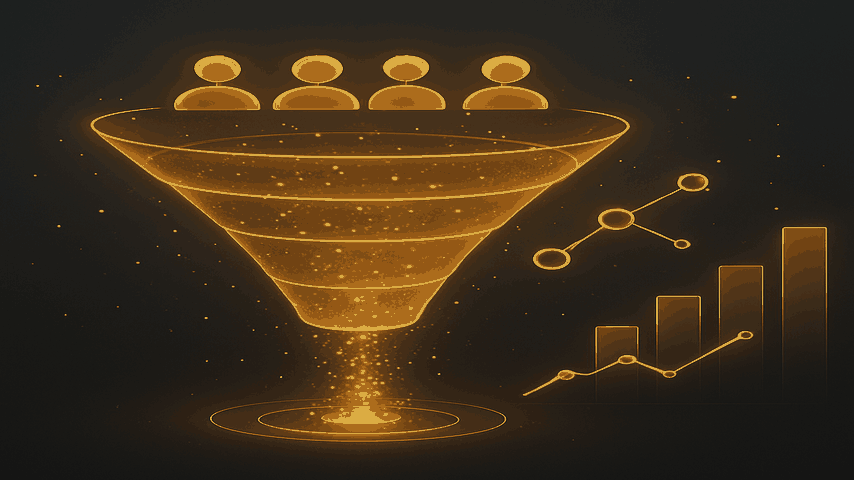
Customers rarely buy the moment they discover a brand. Instead, they move through a journey, from first becoming aware of a problem, to considering solutions, to finally making a purchase. The sales funnel is the framework that maps this journey, and understanding it is essential to effective marketing. A sales funnel in digital marketing is a structured path that guides prospects step by step toward becoming customers, ensuring no opportunity slips through the cracks.
By aligning marketing efforts with each stage of the funnel, businesses can nurture prospects effectively, increase conversions, and turn strangers into loyal customers.
How AAMAX.CO Builds High-Converting Funnels
AAMAX.CO is a full-service digital marketing company that helps businesses design and optimize sales funnels that turn traffic into revenue. Their team aligns websites, content, and campaigns with each stage of the customer journey, ensuring prospects are guided smoothly toward conversion. Because they combine web development, marketing, and SEO expertise, they can build complete funnel systems rather than disconnected tactics. You can learn more about their conversion-focused approach at AAMAX.CO, which serves businesses worldwide.
Understanding the Sales Funnel
The classic sales funnel is divided into stages, often described as awareness, interest, consideration, and decision. At the top, a wide audience becomes aware of the brand. As prospects move down, they engage more deeply, evaluate their options, and eventually convert. The funnel shape reflects the natural reality that not everyone who becomes aware will buy, but careful nurturing maximizes how many do.
Each stage requires different messaging and tactics, because a prospect just discovering a brand has very different needs than one ready to make a purchase.
The Top of the Funnel: Awareness
The journey begins with awareness, where the goal is to reach as many relevant people as possible. Content marketing, social media, and search visibility all play key roles here. Strong search engine optimization ensures the brand appears when prospects search for information related to their problem, drawing them into the funnel.
At this stage, the focus is on providing value and building trust rather than selling. Helpful content answers questions and positions the brand as a knowledgeable guide.
The Middle of the Funnel: Consideration
Once prospects are aware, the goal shifts to nurturing their interest and helping them evaluate their options. This is where deeper content such as guides, case studies, comparisons, and email sequences comes into play. The brand demonstrates its expertise and shows why its solution is the right choice.
Retargeting is especially powerful here, gently reminding interested prospects of the brand as they continue their research. A broad digital marketing strategy keeps the brand present across multiple touchpoints during this critical evaluation phase.
The Bottom of the Funnel: Decision
At the bottom of the funnel, prospects are ready to act, and the goal is to make converting as easy as possible. Compelling offers, clear calls to action, and frictionless checkout or booking processes turn intent into action. Well-targeted Google ads can capture these high-intent prospects precisely when they are ready to buy.
Trust signals such as reviews, guarantees, and testimonials provide the final reassurance that tips hesitant prospects into customers.
Optimizing Each Stage
A funnel is never perfect from the start; it must be continually optimized. By analyzing where prospects drop off, businesses can identify weak points and improve them. Perhaps the awareness stage attracts the wrong audience, or the decision stage has too much friction. Testing and refining each stage steadily improves overall conversion rates.
This ongoing optimization turns a leaky funnel into an efficient, high-converting system that maximizes the value of every visitor.
Retention and Beyond
The funnel does not end at purchase. Loyal customers who return and refer others are the most valuable asset a business can have. Email marketing, loyalty programs, and ongoing engagement extend the relationship, turning one-time buyers into repeat customers and advocates.
This post-purchase nurturing often delivers the highest return on investment, since retaining a customer is far cheaper than acquiring a new one.
Building a Funnel That Drives Growth
Personalization Across the Funnel
Modern customers expect relevant, personalized experiences at every stage. Tailoring messages based on a prospect's behavior, interests, and position in the funnel dramatically improves engagement and conversion. Whether through segmented emails, dynamic website content, or targeted ads, personalization makes prospects feel understood rather than marketed to.
By delivering the right message to the right person at the right moment, businesses make their funnels far more effective, guiding more prospects smoothly toward becoming loyal customers.
A well-designed sales funnel transforms scattered marketing efforts into a coordinated system that guides prospects from awareness to loyalty. By aligning content, visibility, and offers with each stage of the journey, businesses can convert more prospects and grow predictably. With careful optimization and the support of an experienced partner, a sales funnel becomes a reliable engine that turns marketing investment into sustainable, long-term revenue.
Want to publish a guest post on aamconsultants.org?
Place an order for a guest post or link insertion today.