
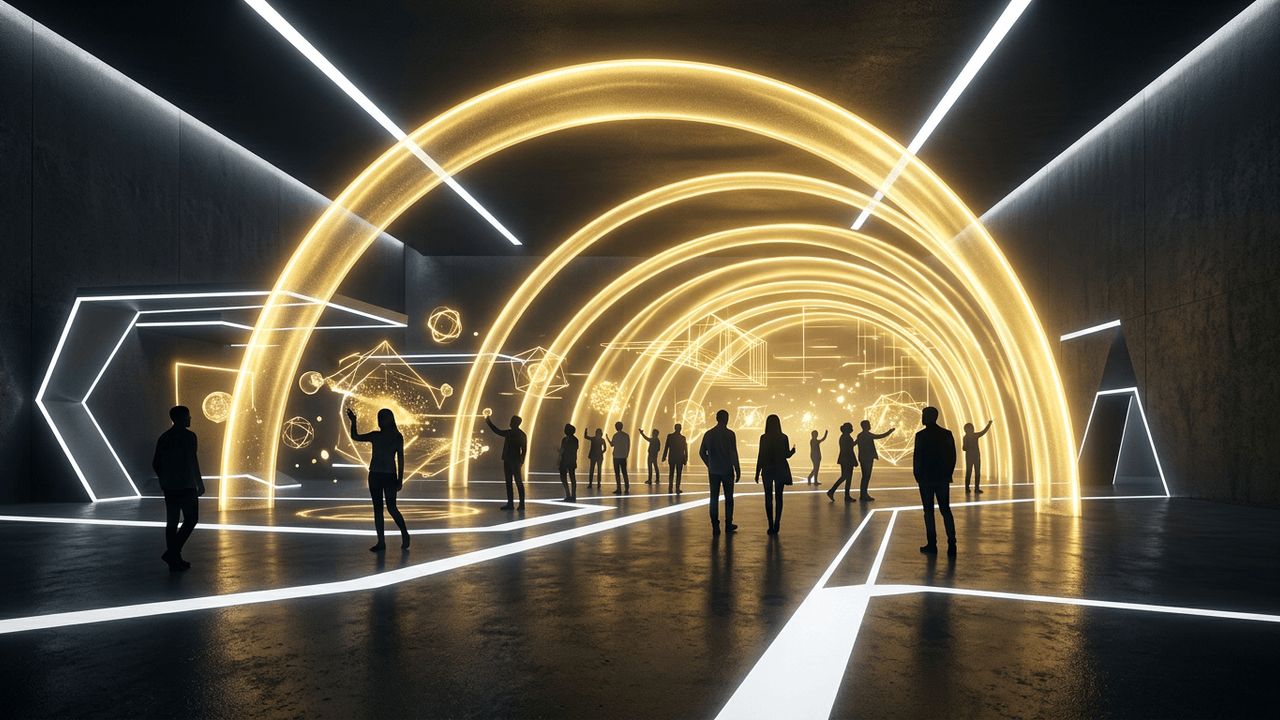
The Power of Experiences in Modern Marketing
Consumers today are surrounded by ads. Banner ads get ignored, commercials get skipped, and social feeds scroll by in seconds. Experiential marketing cuts through that noise by inviting people to take part instead of just watching. Through immersive events, pop-up activations, interactive installations, and hands-on product demos, brands create memories that build emotional connection and long-term loyalty. But not every experiential campaign succeeds. Some become viral sensations, while others are forgotten as soon as the lights go off. So what separates a successful experiential marketing campaign from a costly misfire? This article looks at the key ingredients.
How AAMAX.CO Amplifies Experiential Campaigns Online
The most successful experiential campaigns reach far beyond the people who attend in person. AAMAX.CO is a full-service digital marketing company offering web development, digital marketing, and SEO services worldwide. They help brands extend the reach of live experiences through pre-event promotion, dedicated landing pages, and post-event content distribution. Their social media marketing expertise is especially useful for turning attendee content into shareable stories, building buzz before an activation launches, and keeping conversations going long after it ends. By connecting physical experiences with digital amplification, they help brands get the most from every event.
1. A Clear Objective
Every successful experiential campaign starts with a specific goal. Is the brand trying to launch a new product, build awareness in a new market, generate leads, change perceptions, or reward loyal customers? The objective shapes every decision, from the venue and format to the activities and follow-up strategy.
Without a clear purpose, experiential campaigns can turn into expensive parties that entertain guests but don't move business metrics. Defining success upfront makes sure the experience is designed to deliver measurable value.
2. Deep Audience Understanding
Great experiences are built around the people who will take part in them. Brands must understand their audience's interests, values, behaviors, and expectations. A tech-savvy Gen Z audience may respond to interactive digital installations and social sharing moments, while a B2B audience may value expert sessions, networking, and hands-on product trials.
The more closely an experience matches what the audience cares about, the more likely they are to engage deeply and remember it.
3. Authentic Brand Alignment
The experience should feel like a natural extension of the brand. Successful campaigns reflect the brand's personality, values, and promise in every detail. A sustainability-focused brand might create an eco-friendly installation built with recycled materials. A fitness brand might host a high-energy workout event in a dramatic location.
When experiences feel disconnected from the brand, attendees may enjoy themselves but fail to link the experience back to the company behind it.
4. Immersion and Interactivity
The heart of experiential marketing is participation. The best campaigns engage multiple senses, including sight, sound, touch, taste, and smell, and invite people to interact instead of just watching. Interactive elements such as games, personalized products, augmented reality, live demonstrations, and creative workshops give attendees an active role in the brand story.
This participation builds stronger emotional connections and makes the experience more memorable than any traditional ad.
5. Shareability
Modern experiential campaigns are designed with social sharing in mind. Visually striking installations, photo-worthy moments, branded hashtags, and personalized takeaways encourage attendees to capture and share their experiences online. Each share extends the campaign's reach to friends and followers who never attended in person.
Brands often see the majority of their impressions come from user-generated content and social amplification, not the event itself.
6. Seamless Integration With Digital Channels
Successful experiential campaigns don't exist in isolation. They're supported by integrated digital strategies before, during, and after the event. Before the event, teasers, email invitations, and targeted ads build anticipation. During the event, live streaming, real-time social posts, and interactive digital elements expand engagement. Afterward, recap videos, blog content, and retargeting campaigns keep the conversation going and nurture leads.
A dedicated event page optimized through SEO services can also capture search interest from people looking for the event or related experiences.
7. Memorable Storytelling
People remember stories far better than facts. Successful experiential campaigns tell a compelling narrative that unfolds as attendees move through the experience. Whether it's the story of a product's origins, a customer's transformation, or a shared mission, storytelling gives the experience emotional weight and meaning.
8. Thoughtful Logistics and Execution
Even the most creative concept can fail if execution falls short. Long lines, technical glitches, poor signage, untrained staff, and overcrowding can turn an exciting idea into a frustrating experience. Successful campaigns invest in planning, rehearsal, staffing, and contingency measures so every interaction runs smoothly.
9. Measurable Outcomes
To prove value, experiential campaigns must be measured. Common metrics include attendance, dwell time, lead captures, social mentions, user-generated content volume, media coverage, website traffic spikes, sales lift, and post-event brand sentiment. Technologies such as RFID wristbands, QR codes, and event apps make it easier to track engagement and connect it to business outcomes.
10. Meaningful Follow-Up
The experience shouldn't end when attendees leave. Follow-up emails, exclusive offers, thank-you content, and personalized messages help turn excitement into action. Brands that nurture attendees after the event see much higher conversion and loyalty rates.
Conclusion
A successful experiential marketing campaign combines a clear objective, deep audience insight, authentic brand alignment, immersive interactivity, shareable moments, digital integration, compelling storytelling, flawless execution, measurable outcomes, and thoughtful follow-up. When these elements come together, experiences become far more than events. They become lasting memories that build emotional bonds between people and brands. In a world full of ads, giving customers something to experience, not just see, is one of the most powerful ways to stand out.
Want to publish a guest post on aamconsultants.org?
Place an order for a guest post or link insertion today.