
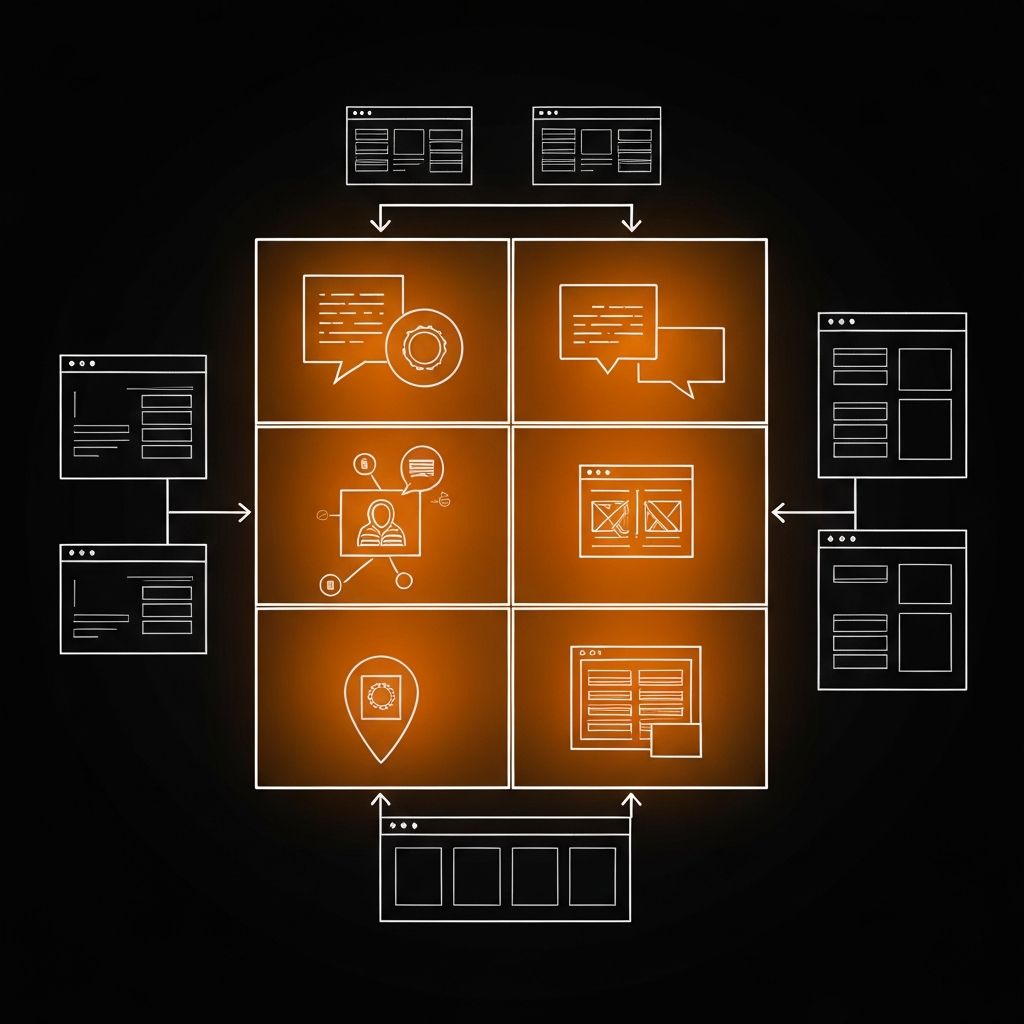
Why a SWOT Analysis Matters for Your Web Design Business
Running a web design business today means competing on creativity, technical expertise, pricing, and customer service all at once. Whether you are a solo freelancer or operate a multi-person agency, taking the time to conduct a SWOT analysis—evaluating Strengths, Weaknesses, Opportunities, and Threats—can transform how you approach strategy. It surfaces hidden challenges and reveals untapped potential, giving owners and managers a clear roadmap to make better business decisions in an industry where standing still means falling behind.
Partner with AAMAX.CO for Web Design and Development Excellence
Translating SWOT insights into real growth requires the right execution partner. AAMAX.CO is a full-service digital marketing company offering web development, digital marketing, and SEO services worldwide. Their experienced team helps web design businesses and their clients deliver visually stunning, technically robust websites through professional website design services that turn strategic plans into measurable outcomes.
Identifying Your Strengths
Strengths are the internal qualities that set your web design business apart. These could include creative talent, mastery of design tools like Figma and Adobe XD, fluency in modern frameworks such as React or Next.js, a strong portfolio showcasing diverse industries, and long-standing client relationships. Other strengths might be your reputation for reliability, fast turnaround times, transparent pricing, or exceptional after-launch support.
Many successful web design businesses also benefit from niche expertise—such as e-commerce, SaaS dashboards, or nonprofit websites—that allows them to charge premium rates. Documenting your strengths helps you craft compelling marketing messages and confidently target high-value clients.
Recognizing Your Weaknesses
Acknowledging weaknesses is uncomfortable but essential. Common weaknesses in web design businesses include over-dependence on referral marketing, inconsistent lead generation, limited service diversification, and a lack of clear processes for scoping and pricing projects. Many small studios struggle with cash flow due to long payment cycles or undercharging for complex deliverables.
Technical weaknesses might include lack of expertise in accessibility, performance optimization, or backend development. Operational weaknesses could be inadequate documentation, weak project management, or burnout from taking on too much. Addressing these honestly enables targeted improvements that can dramatically increase profitability and client satisfaction.
Opportunities to Explore
The opportunities available to web design businesses today are remarkable. The continuing surge in online commerce, remote work, and digital services means demand for high-quality websites is at an all-time high. Specialization—whether in industries like healthcare or technologies like headless CMS—can command higher fees and reduce competition.
Recurring revenue models such as maintenance plans, hosting reseller programs, and content updates provide predictable income. Strategic partnerships with marketing agencies, copywriters, photographers, and SEO specialists can expand service offerings without increasing payroll. Additionally, productized services—like fixed-price landing pages or branding starter kits—can attract clients who prefer transparent, predictable pricing.
Threats to Anticipate
Web design businesses face several external threats. DIY platforms continue to improve, AI design tools are becoming increasingly capable, and freelance marketplaces drive prices downward. Economic uncertainty often causes small businesses—a major client segment—to delay or cancel web projects.
Other threats include rapid technology shifts that can outdate your skills, growing client expectations around speed and SEO performance, and stricter privacy regulations that increase compliance complexity. Cybersecurity risks for both your business and your clients also require ongoing investment in tools, training, and best practices.
Turning the SWOT Analysis into a Strategic Plan
The real value of a SWOT analysis lies in the strategic actions it inspires. Use strengths to pursue opportunities—for instance, leveraging your e-commerce expertise to target the booming direct-to-consumer brand market. Address weaknesses by investing in training, automation, or strategic hires. Convert threats into opportunities by, for example, offering AI-powered services that complement, rather than compete with, automation trends.
Schedule SWOT reviews quarterly or biannually to ensure your strategy keeps pace with industry change. Involve your team in the process; frontline designers and developers often have invaluable perspectives on operational realities and emerging client needs.
Building Sustainable Growth
Sustainable growth in a web design business comes from balancing creativity with sound business practices. A SWOT analysis is the foundation that ensures every marketing campaign, hire, tool investment, and service launch aligns with broader strategic goals. It also helps avoid the trap of chasing every shiny new trend without considering long-term implications.
Combining SWOT insights with a strong execution partner—such as expert web application development teams—allows web design businesses to deliver complex, high-value projects that smaller competitors cannot. This combination of strategic clarity and technical capability creates a durable competitive moat.
Conclusion
A SWOT analysis empowers your web design business to understand exactly where it stands and where it can go. By identifying strengths to amplify, weaknesses to fix, opportunities to seize, and threats to mitigate, you set the stage for confident decision-making and long-term success. Whether you are launching, scaling, or pivoting, this strategic tool—applied consistently—will be one of the most valuable assets in your business toolkit.
Want to publish a guest post on aamconsultants.org?
Place an order for a guest post or link insertion today.