
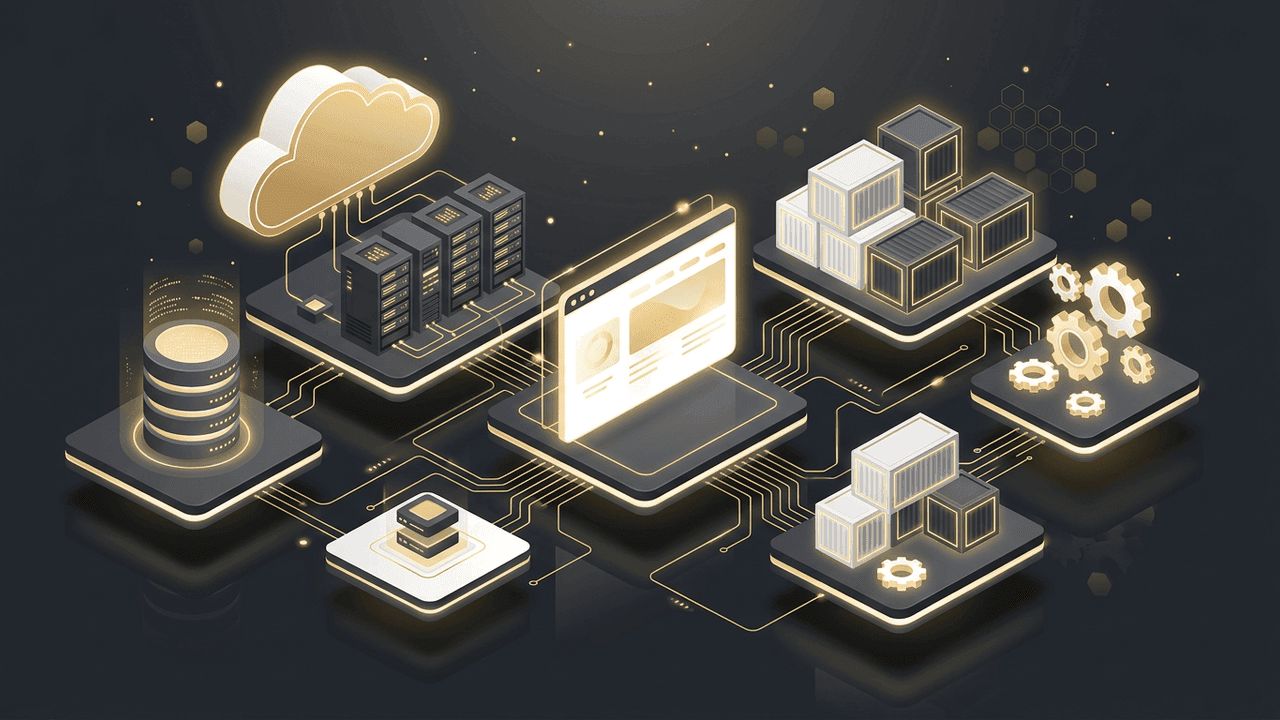
Web applications have become central to how businesses operate and how people interact online. From online banking and project management tools to social networks, ecommerce platforms, and streaming services, web applications deliver powerful functionality directly through the browser. Behind every successful application is a carefully selected set of technologies working together. Understanding these technologies helps business owners make informed decisions, enables developers to architect scalable systems, and ensures that applications remain secure, fast, and maintainable. This article explores the key technologies used in web application development today.
AAMAX.CO: Expertise Across the Modern Web Technology Stack
Organizations planning a new web application can benefit from working with AAMAX.CO, a full-service digital marketing company offering web development, digital marketing, and SEO services worldwide. Their developers have experience across front-end frameworks, back-end languages, databases, and cloud platforms, which allows them to recommend the right technology stack for each project. They focus on building applications that are secure, scalable, and user-friendly while aligning technical choices with business goals and budgets.
Front-End Technologies
The front end is everything users see and interact with in the browser. It is built on three foundational technologies:
HTML: HyperText Markup Language structures content on the page, defining headings, paragraphs, images, forms, and other elements. Semantic HTML improves accessibility and SEO.
CSS: Cascading Style Sheets control the visual presentation, including layout, colors, typography, and animations. Modern CSS features such as Flexbox, Grid, and custom properties enable responsive designs. Frameworks like Tailwind CSS and Bootstrap speed up styling.
JavaScript and TypeScript: JavaScript adds interactivity and dynamic behavior. TypeScript, a typed superset of JavaScript, improves code reliability and maintainability in larger applications.
Front-End Frameworks and Libraries
Frameworks provide structure and reusable components. React is the most widely used library for building interactive user interfaces. Next.js extends React with server-side rendering, static generation, and routing. Angular, maintained by Google, offers a comprehensive framework ideal for enterprise applications. Vue.js is known for its gentle learning curve and flexibility, while Svelte compiles components into highly efficient code. The choice of framework influences performance, developer productivity, and long-term maintenance.
Back-End Technologies
The back end handles business logic, data processing, authentication, and communication with databases and external services. Popular back-end technologies include:
Node.js: A JavaScript runtime that enables full-stack JavaScript development with excellent performance for real-time and I/O-heavy applications. Frameworks like Express and NestJS add structure.
Python: Frameworks such as Django and FastAPI are favored for rapid development, data-driven applications, and AI integration.
PHP: Laravel provides an elegant framework for building robust web applications, while PHP also powers WordPress.
Java and Kotlin: Spring Boot is widely used for enterprise-grade applications requiring high reliability.
C# and .NET: ASP.NET Core is a powerful choice for organizations invested in Microsoft ecosystems.
Go and Rust: These languages are gaining popularity for high-performance services and microservices.
Databases
Databases store and manage application data. Relational databases such as PostgreSQL, MySQL, and Microsoft SQL Server use structured tables and SQL queries, making them ideal for applications with complex relationships and transactions. NoSQL databases like MongoDB, DynamoDB, and Firestore store data in flexible formats, which suits rapidly evolving data models and large-scale applications. In-memory data stores such as Redis provide caching, session management, and real-time features. Many modern applications combine multiple databases to meet different needs.
APIs and Communication Protocols
APIs enable communication between the front end, back end, and third-party services. REST remains the most common approach, using standard HTTP methods. GraphQL lets clients request exactly the data they need, reducing over-fetching. WebSockets support real-time, bidirectional communication for chat, notifications, and live updates. Well-designed APIs are fundamental to scalable web application development.
Cloud Infrastructure and Hosting
Cloud platforms provide the infrastructure needed to host and scale applications. Amazon Web Services, Google Cloud Platform, and Microsoft Azure offer compute, storage, databases, and networking services. Platforms like Vercel and Netlify simplify deployment for front-end and full-stack applications with global content delivery networks and serverless functions. Serverless computing allows developers to run code without managing servers, reducing operational overhead and cost.
DevOps and Containerization
DevOps practices streamline development, testing, and deployment. Docker packages applications into containers that run consistently across environments. Kubernetes orchestrates containers at scale. Continuous integration and continuous deployment pipelines, using tools such as GitHub Actions, GitLab CI, and Jenkins, automate testing and deployment, allowing teams to release updates frequently and reliably.
Security Technologies
Security is a critical component of web application development. Key technologies and practices include HTTPS with TLS encryption, authentication protocols such as OAuth 2.0 and OpenID Connect, JSON Web Tokens for session management, password hashing algorithms like bcrypt and Argon2, web application firewalls, and security headers such as Content Security Policy. Regular vulnerability scanning and dependency updates help protect against emerging threats.
Testing Tools
Testing ensures that applications function correctly and reliably. Unit testing frameworks such as Jest, Vitest, and PyTest verify individual components. End-to-end testing tools like Playwright and Cypress simulate user interactions. Performance testing tools assess load handling and response times. Automated testing integrated into CI pipelines catches issues early and maintains quality as applications evolve.
Emerging Technologies
Several emerging technologies are shaping the future of web applications. Artificial intelligence enables chatbots, personalization, content generation, and predictive analytics. Progressive web apps deliver app-like experiences with offline support and push notifications. WebAssembly allows high-performance code written in languages like Rust and C++ to run in the browser. Edge computing brings processing closer to users for faster response times.
Choosing the Right Technology Stack
Selecting technologies depends on project requirements, scalability needs, budget, timeline, team expertise, and long-term maintenance considerations. A startup building an MVP might prioritize speed with a JavaScript-based stack, while an enterprise application might require the robustness of Java or .NET. Consulting experienced developers during the planning phase helps avoid costly technology decisions that limit future growth.
Conclusion
Web application development relies on a rich ecosystem of technologies spanning front-end frameworks, back-end languages, databases, APIs, cloud infrastructure, DevOps, security, and testing. Each layer plays a vital role in delivering applications that are fast, secure, and scalable. By understanding these technologies and selecting the right combination for each project, businesses and developers can build web applications that meet user expectations and stand the test of time.
Want to publish a guest post on aamconsultants.org?
Place an order for a guest post or link insertion today.