
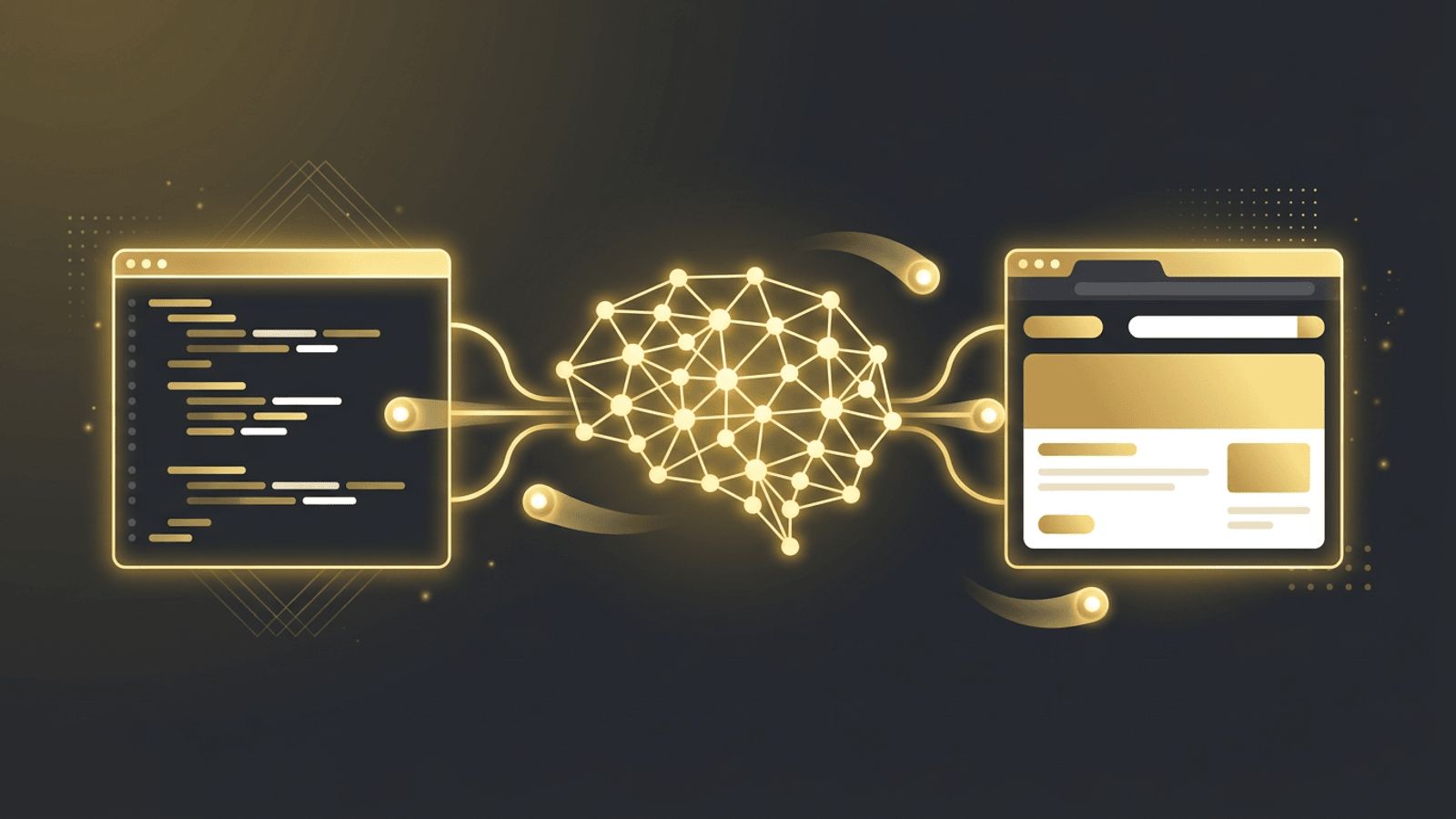
AI agents have become one of the most discussed topics in technology, but the term is often used loosely, leaving many people unsure what it really means. Are AI agents just smarter chatbots? Will they replace developers? How do they actually work? In this article, we provide a clear explanation of the future of AI agents in web development. We break down the core concepts, explain the technology behind agents, walk through realistic use cases, and discuss how the relationship between humans and AI will evolve in building the web.
AAMAX.CO Brings Clarity and Craft to AI-Driven Development
Understanding AI is one thing; applying it effectively to real projects is another. AAMAX.CO is a full-service digital marketing company offering web development, digital marketing, and SEO services worldwide. They combine skilled human developers with modern AI-assisted tools to deliver websites faster without compromising quality. Their team understands where AI adds value and where experienced judgment is irreplaceable, particularly in user experience, brand design, and search strategy. Businesses looking for thoughtful, high-quality website development in the age of AI can rely on them for balanced, results-driven solutions.
AI Agents Explained Simply
Think of a traditional AI assistant as a knowledgeable advisor: you ask a question, and it gives an answer. An AI agent is more like a capable assistant who can take action. You give it a goal, and it figures out the steps, uses tools, checks its work, and keeps going until the task is done or it needs your input.
In web development, that goal could be "add a contact form that saves submissions to the database" or "fix the layout bug on the pricing page." The agent reads relevant files, writes code, runs the application, checks for errors, and iterates.
The Core Components of an AI Agent
1. The Language Model
At the heart of every agent is a large language model (LLM) that understands instructions, reasons about problems, and generates code or text.
2. Tools
Agents become powerful when they can use tools: reading and writing files, running terminal commands, searching documentation, browsing websites, querying databases, and calling APIs. Tools turn the model's reasoning into real-world actions.
3. Memory and Context
Agents maintain context about the task, the codebase, and previous steps. Some systems also store long-term memory, remembering project conventions and user preferences across sessions.
4. Planning and Feedback Loops
Agents break goals into smaller steps, execute them, observe results, and adjust. If a test fails or an error appears, the agent analyzes the output and tries again. This loop is what makes agents more autonomous than simple assistants.
5. Guardrails
Responsible agents operate within permissions and safety rules, asking for human approval before sensitive actions like deleting data, deploying to production, or making payments.
Practical Use Cases in Web Development
- Rapid prototyping: Describe an idea in plain language and receive a working prototype to test with users.
- Feature implementation: Agents can add authentication, forms, dashboards, and integrations by following project conventions.
- Bug fixing: Agents investigate logs, reproduce issues in a browser, and propose targeted fixes.
- Code migrations: Upgrading frameworks or moving to new libraries becomes faster with agents handling repetitive changes.
- Content and SEO updates: Agents can update metadata, generate structured data, and audit pages for technical SEO issues.
- Accessibility audits: Agents scan for missing alt text, contrast problems, and keyboard navigation issues.
What the Future Looks Like
From Assistants to Collaborators
Over time, agents will move from executing individual tasks to collaborating across entire projects. Developers will assign work to agents much as they would to junior teammates, reviewing results and providing feedback.
Agent-Friendly Websites
As users increasingly rely on AI agents to browse, shop, and book on their behalf, websites will need to be designed for both humans and machines. Clean semantic markup, structured data, and well-documented APIs will become even more important.
Always-On Optimization
Agents will monitor website performance, uptime, security, and conversion data, making or recommending improvements continuously rather than waiting for scheduled redesigns.
Democratized Development
Non-technical founders and marketers will be able to create and modify web experiences using natural language, while professional developers focus on complex architecture and quality assurance.
Common Misconceptions
"AI agents will replace developers." Agents automate tasks, but they still need humans to define goals, make trade-offs, ensure security, and understand business context.
"AI-generated code is always correct." Agents can make mistakes, misunderstand requirements, or introduce vulnerabilities. Review and testing remain essential.
"Agents are only for large companies." Many AI development tools are accessible and affordable, making them valuable for small businesses and solo developers too.
Skills That Will Matter Most
- Clearly defining requirements and writing effective instructions.
- Reviewing and testing code for correctness and security.
- System architecture and data modeling.
- User experience design and accessibility.
- Understanding business goals and measuring outcomes.
Preparing Your Business
Start by identifying repetitive development and content tasks that could benefit from automation. Ensure your codebase is well organized and documented, since agents perform best in clean environments. Establish policies for reviewing AI-generated work and protecting sensitive data. Most importantly, work with experienced professionals who know how to combine AI tools with proven development practices.
Conclusion
The future of AI agents in web development, explained simply, is a shift from AI that answers to AI that acts. Agents will speed up development, enable continuous improvement, and make web creation more accessible. Yet the most successful outcomes will come from collaboration between intelligent agents and skilled humans who guide them with clear goals, sound judgment, and a deep understanding of users.
Want to publish a guest post on aamconsultants.org?
Place an order for a guest post or link insertion today.