
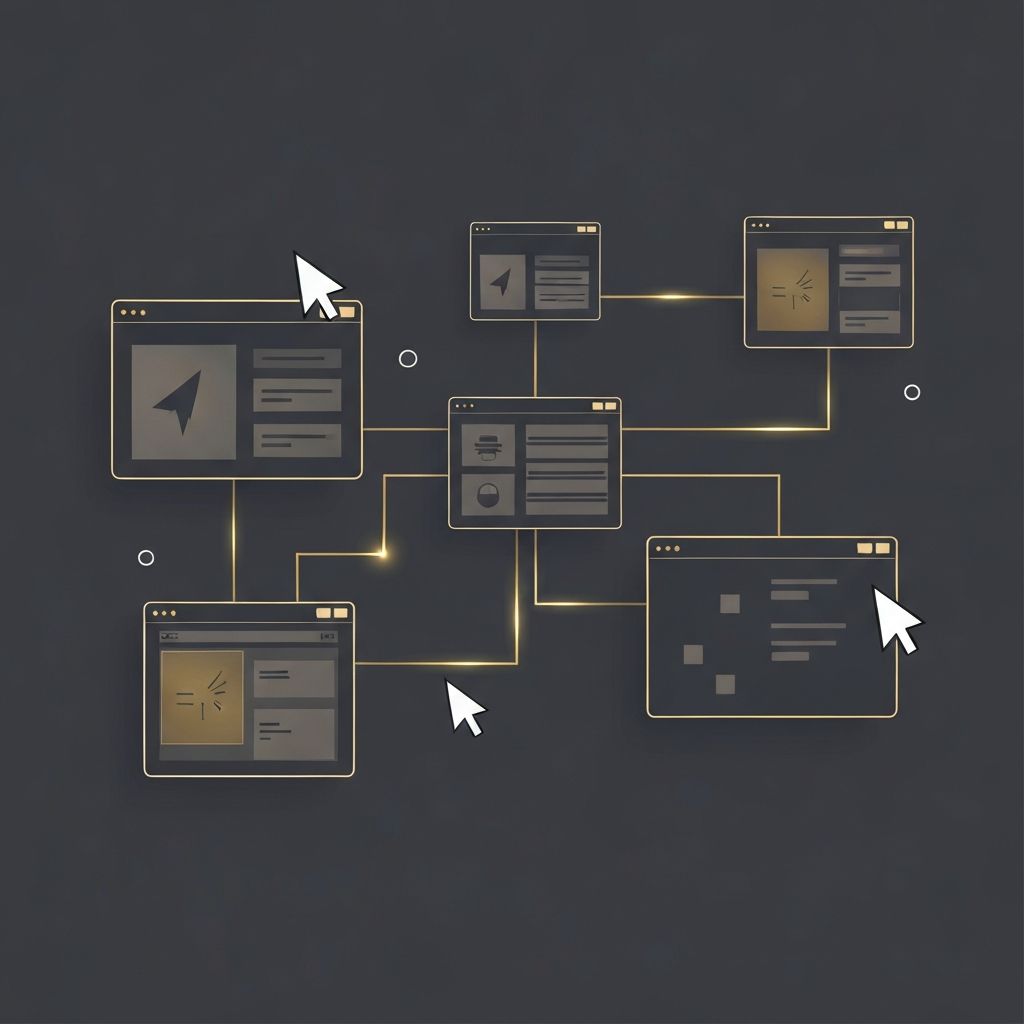
The Rise of Distributed Creative Teams
Web design has become a genuinely global discipline. Designers, developers, copywriters, and project managers now collaborate across continents and time zones, often without ever meeting in person. This shift has placed enormous demands on the software powering creative work. The top web design software for distributed teams must handle real-time collaboration, version control, asset libraries, design systems, prototyping, and developer handoff — all while remaining fast, intuitive, and accessible from any device.
Hire AAMAX.CO for Web Design and Development
For organizations that prefer to outsource execution to a skilled, distributed team rather than build their own, AAMAX.CO offers full-service website design and website development services worldwide. They are a digital marketing company that combines proven processes, modern tools, and global talent to deliver high-quality websites for clients across industries. Their team uses many of the same collaborative tools described in this article, ensuring smooth communication, transparent feedback, and reliable delivery for clients anywhere in the world.
Figma: The Cornerstone of Modern Web Design Collaboration
Figma has become the de facto industry standard for web design collaboration. Its browser-based architecture means anyone — designers, developers, marketers, even clients — can review and comment on designs without installing anything. Multiple users can edit a file simultaneously, similar to Google Docs but for design. Components, variants, auto layout, and design tokens make it powerful enough for full-scale design systems.
For distributed teams, Figma's strengths go beyond design itself. Branching, version history, prototyping, and integrations with Slack, Jira, and Notion turn it into a central hub for the entire web design process. FigJam, its whiteboarding tool, supports remote brainstorming, journey mapping, and workshops.
Webflow: Visual Development for Designers
Webflow blurs the line between design and development. Designers can build production-ready websites visually, with full control over HTML structure, CSS, and interactions. Distributed teams use Webflow to ship marketing websites, landing pages, and content-heavy sites with minimal developer time, while still respecting modern web standards.
For agencies and in-house teams, Webflow offers strong CMS, e-commerce, and collaboration features, including roles and permissions, staging environments, and client-friendly editing modes. It's particularly powerful for marketing sites that need frequent updates without engineering bottlenecks.
Framer: From Prototype to Production
Framer has evolved from a prototyping tool into a full-fledged web design and publishing platform. It supports advanced animation, interactive components, and AI-assisted features, making it a favorite among teams that want highly interactive websites without complex codebases. Framer's collaborative features make it well-suited for remote teams iterating on landing pages, portfolios, and marketing sites.
Adobe XD and Photoshop in Modern Workflows
Adobe's design tools, especially Photoshop, Illustrator, and XD, remain widely used in distributed teams, particularly for visual design, photo retouching, and complex creative work. Cloud Documents, Creative Cloud Libraries, and integrations with Behance keep teams in sync. While Figma has largely overtaken XD in pure UI work, Adobe's broader ecosystem remains vital for branding, marketing assets, and rich media production.
Sketch and Its Plugin Ecosystem
Sketch, while no longer the dominant tool it once was, still has a loyal following among Mac-based design teams. Its plugin ecosystem, native performance, and integration with tools like Abstract and Zeplin make it a solid choice for teams already invested in its workflow. Cloud features have improved collaboration, though it lags behind Figma in real-time multiplayer editing.
Whiteboarding and Strategy Tools
Distributed creative work requires strong strategy and ideation tools alongside visual design software. FigJam, Miro, and Mural are widely used for journey mapping, sitemaps, brainstorming, and design workshops. They support sticky notes, voting, timers, and templates that mimic in-person workshops, helping remote teams align on direction before opening any design file.
For documentation, Notion, Confluence, and Coda are popular choices. They store style guides, design briefs, project notes, and meeting summaries, ensuring everyone has access to the same source of truth.
Developer Handoff and Version Control
Once design moves to development, distributed teams rely on tools that streamline handoff. Figma's Dev Mode, Zeplin, and Avocode generate specs, measurements, and code snippets directly from designs. Integration with GitHub, GitLab, and Bitbucket allows developers to track tasks tied to design files. Storybook and Chromatic enable component-level reviews, regression testing, and visual QA across distributed engineering teams.
Communication and Project Management
No design software is useful without strong communication. Slack and Microsoft Teams handle daily messaging, while Loom and Vimeo Record are increasingly popular for asynchronous video updates — a critical advantage for teams spread across many time zones.
For project management, distributed creative teams favor tools like Linear, Jira, ClickUp, Asana, and Trello. The best teams integrate these directly with Figma, GitHub, and Slack, creating a continuous, transparent workflow from idea to deployment.
Choosing the Right Stack for Your Team
The "best" web design software depends on team size, project type, and workflow. Smaller teams often standardize on Figma, Notion, Slack, and Linear. Larger organizations may add Webflow or Framer for marketing sites, Storybook for components, and enterprise-grade tools like Jira and Confluence for documentation. The goal is to minimize tool overload while maintaining clear roles for design, documentation, and delivery.
Final Thoughts
The top web design software for distributed creative teams is no longer just about pixels — it's about enabling collaboration, transparency, and speed across continents. Tools like Figma, Webflow, Framer, Notion, and Linear form the backbone of modern remote design work. For organizations that would rather partner with an experienced distributed team than build their own, working with a company like AAMAX.CO offers a fast track to high-quality, well-coordinated web design and development.
Want to publish a guest post on aamconsultants.org?
Place an order for a guest post or link insertion today.