
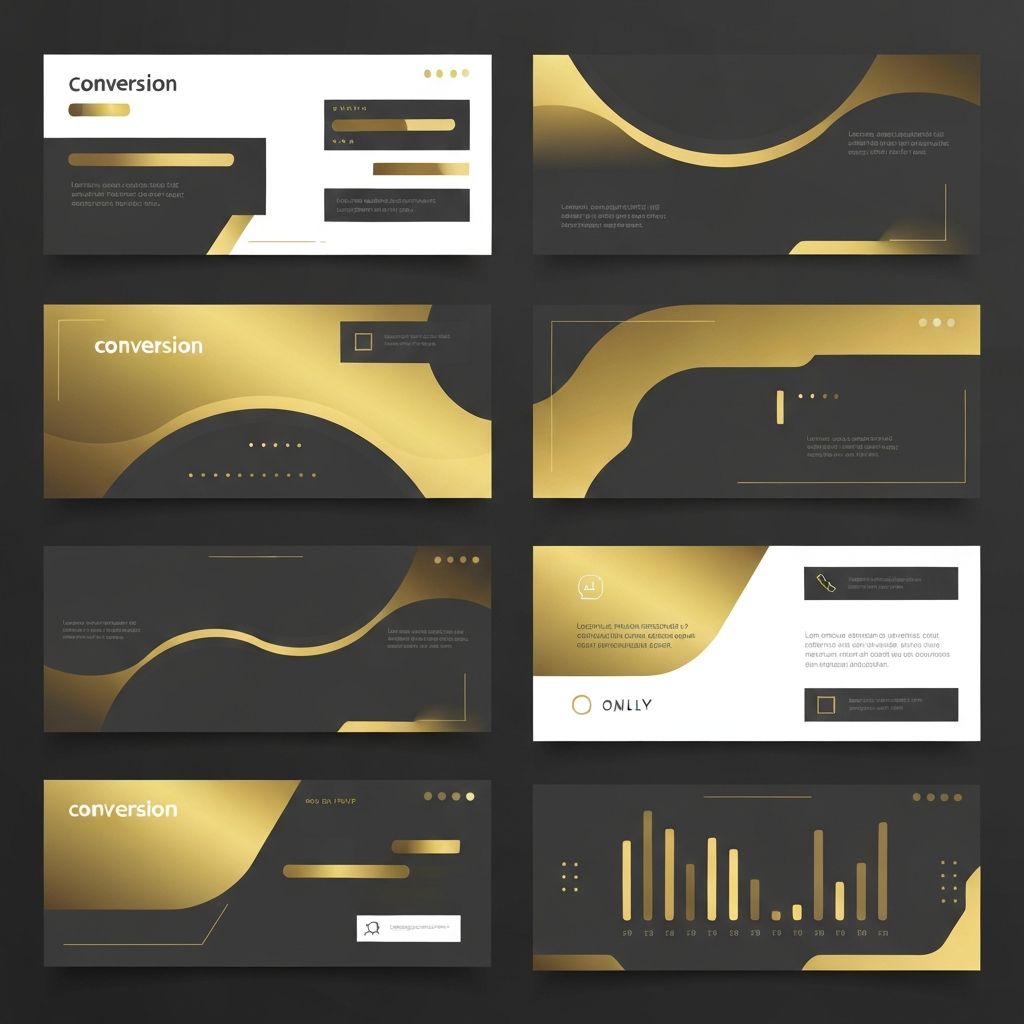
How Web Design Styles Have Evolved Heading Into 2025
Web design in 2025 is shaped by a unique combination of forces: AI-powered personalization, faster connectivity, more sophisticated devices, and shorter attention spans than ever. Users expect websites to load instantly, look stunning, and guide them effortlessly toward decisions. As a result, the top web design styles for engagement and conversions are no longer just about visual trends — they're about how design, content, and technology fuse to create persuasive, frictionless experiences. Brands that adopt these styles thoughtfully outperform competitors in time on site, lead generation, and revenue.
Hire AAMAX.CO for Modern Web Design and Development
For brands looking to translate these trends into real, high-converting websites, AAMAX.CO offers expert website design and development services worldwide. They are a full-service digital marketing company that helps clients implement modern design styles — bold minimalism, immersive scrolling, AI-personalized experiences, and more — without sacrificing performance or SEO. Their team focuses on building websites that don't just look current but also drive measurable engagement and conversion improvements.
1. Bold Minimalism with Strong Typography
Minimalism remains a dominant style in 2025, but it has evolved beyond plain white backgrounds and sparse content. The new bold minimalism uses oversized headlines, expressive typography, generous white space, and a single strong accent color to create visual impact. Hero sections often pair a confident statement with a single CTA, eliminating distractions and quickly communicating value.
This style works exceptionally well for SaaS, professional services, and premium brands. It boosts engagement by giving users mental clarity and increases conversions by making CTAs unmistakable.
2. Immersive Scroll-Based Storytelling
Modern users expect more than static pages. Scroll-based storytelling uses transitions, parallax effects, sticky elements, and motion to guide visitors through a narrative as they scroll. Each section reveals a new chapter — a problem, a solution, proof, and a call to action — creating a guided experience similar to a well-paced video.
When implemented well, this style increases time on page and emotional engagement, especially for product launches, case studies, and brand storytelling. The key is keeping motion purposeful and performance-friendly so it never feels gimmicky.
3. AI-Personalized Experiences
AI-powered personalization is one of the biggest shifts in 2025. Top sites adapt content, imagery, and recommendations based on visitor behavior, location, traffic source, or industry. A SaaS site might show different headlines and case studies depending on whether the visitor is from finance, healthcare, or retail. An e-commerce site might surface products tailored to past behavior or browsing intent.
This dynamic, data-driven approach significantly increases conversion rates by ensuring each visitor sees the most relevant, persuasive version of the website. The challenge is to balance personalization with privacy and transparency.
4. Dark Mode and High-Contrast Aesthetics
Dark mode is now far more than a niche preference. Many top sites in 2025 default to dark themes or offer them as standard, especially for SaaS, fintech, gaming, and developer tools. Combined with bold accent colors, glowing elements, and crisp typography, dark mode creates a sleek, premium look that resonates with modern audiences.
From a conversion standpoint, well-designed dark interfaces reduce eye strain, highlight CTAs, and create a sense of focus. They also pair well with motion and 3D elements, which look especially striking on dark backgrounds.
5. 3D Elements and Subtle Motion
3D illustrations, micro-animations, and interactive product visuals are increasingly common in 2025. Tools like WebGL, Three.js, and Spline make it easier than ever to embed sophisticated 3D experiences directly into websites without massive performance penalties. These elements bring products to life — rotating product models, animated dashboards, interactive scenes — and dramatically increase engagement.
When used in moderation, motion supports conversions by drawing attention to key features and CTAs. Overuse, however, can distract or slow down the site, so the best designers apply motion with restraint.
6. Conversational and Chat-First Interfaces
AI chat assistants are now standard on many high-converting websites. Visitors can ask questions about pricing, products, or services and get instant, contextual answers. This conversational style reduces friction in the buyer journey and helps users self-qualify before reaching out to sales.
Top sites integrate chat naturally into their design — as floating widgets, embedded sections, or full conversational landing pages — without overwhelming visitors. Combined with smart routing, chat can dramatically increase qualified leads.
7. Editorial and Magazine-Style Layouts
Content-driven brands are returning to editorial design — multi-column layouts, large typography, mixed media, and curated imagery reminiscent of high-end magazines. This style works especially well for thought leadership, luxury brands, media companies, and B2B firms with strong content programs.
Editorial layouts increase engagement by encouraging deeper reading and exploration, and they reinforce brand authority — a critical factor for higher-value conversions.
8. Performance-First, Lightweight Design
Beneath every successful design style in 2025 is a strong commitment to performance. Google's Core Web Vitals, mobile-first indexing, and user expectations make speed non-negotiable. The top sites combine modern frameworks (like Next.js), optimized images, lazy loading, and edge hosting to deliver visually rich experiences that still load almost instantly.
Performance directly impacts conversions: even a one-second delay can reduce conversion rates significantly. Style without speed is no longer enough.
How to Choose the Right Style for Your Brand
Not every trend fits every brand. The right style depends on the audience, industry, brand personality, and conversion goals. Bold minimalism may suit a B2B SaaS, while immersive storytelling may better fit a creative agency. The best approach is to choose 2–3 dominant styles, blend them thoughtfully, and validate with analytics and user testing.
Final Thoughts
The top web design styles for engagement and conversions in 2025 share a common DNA: they balance visual impact with usability, performance, and personalization. Brands that embrace these styles strategically — not just superficially — gain a powerful edge in attention and revenue. For organizations ready to upgrade their websites with these modern approaches, partnering with an experienced team like AAMAX.CO is a smart way to ensure both creativity and conversion goals are met.
Want to publish a guest post on aamconsultants.org?
Place an order for a guest post or link insertion today.