
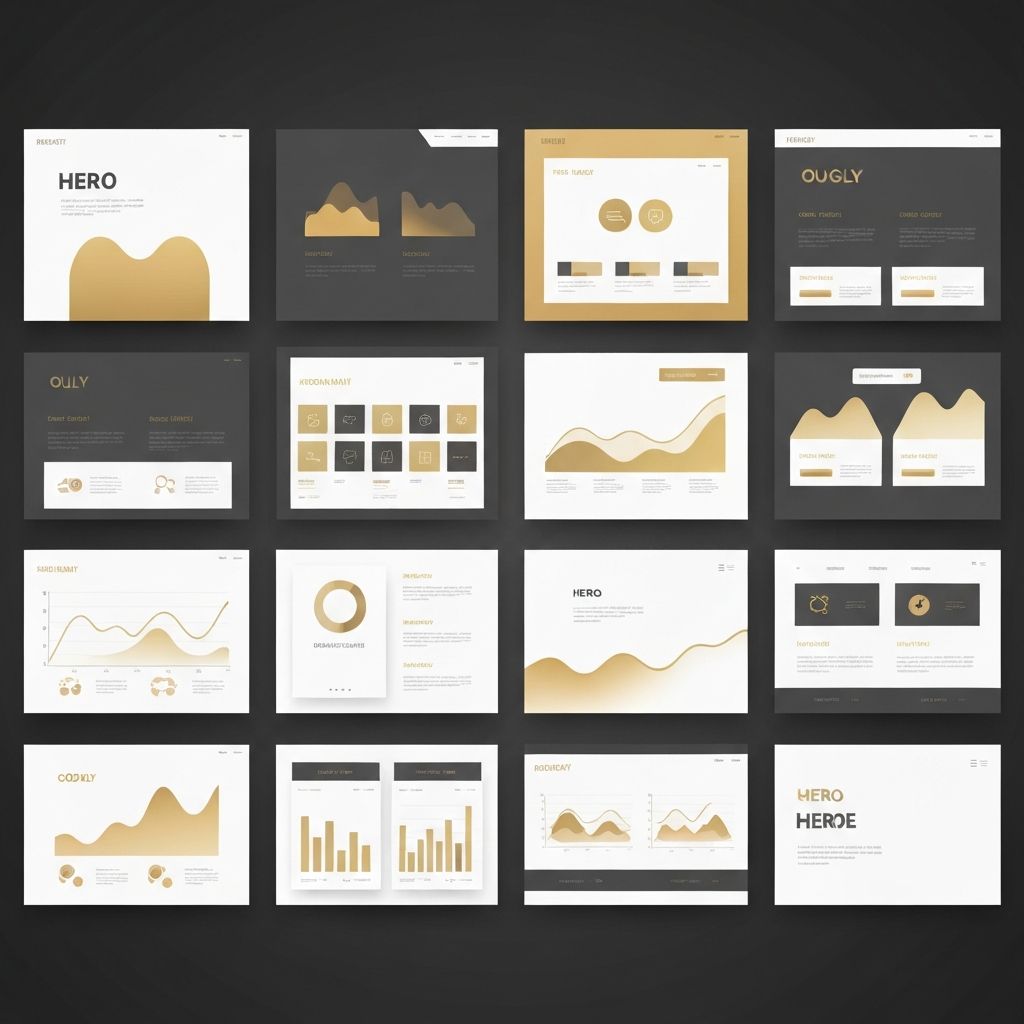
Why Design Style Has a Direct Impact on Conversions
Web design is often discussed in terms of aesthetics, but the real measure of a great design is how well it moves visitors toward action. The top web design styles that drive engagement and conversions don't just look beautiful — they reduce friction, build trust, and guide visitors through a clear path to signup, purchase, or contact. They marry visual craft with psychology, leveraging color, typography, layout, motion, and content to influence behavior in subtle but powerful ways. Choosing the right style for the right audience is one of the most important decisions a brand can make online.
Hire AAMAX.CO for Conversion-Focused Web Design
For businesses that want their websites to look great and convert at the same time, AAMAX.CO offers professional website design, website development, and SEO services worldwide. They are a full-service digital marketing company that combines modern design styles with conversion-focused strategy, ensuring each page is optimized to engage visitors and guide them toward valuable actions. Their team helps brands choose the right style for their audience and execute it with technical excellence.
Minimalist and Clean Layouts
Minimalist design has stood the test of time because it works. Clean layouts with plenty of white space, limited colors, and clear typography reduce visual noise and help users focus on what matters most: the message and the call to action. Minimalism also signals confidence and professionalism, which is critical for SaaS, finance, consulting, and premium brands.
Conversion-wise, minimalism excels because there are fewer distractions between visitors and CTAs. When done correctly, every element on the page either supports the message or invites action.
Storytelling and Narrative-Driven Design
Humans are wired for stories. Narrative-driven web design takes visitors on a journey: identifying a problem, introducing a solution, presenting evidence, and inviting them to act. This style is especially effective for product launches, case studies, and brands selling transformation rather than commodity.
Pages structured this way increase time on site, scroll depth, and emotional engagement — all leading indicators of stronger conversion rates. Combined with thoughtful imagery, motion, and copy, storytelling makes brands memorable in a crowded market.
Bold Typography as a Design Element
Typography is no longer just a vehicle for text — it's a primary design element. Oversized headlines, expressive fonts, mixed weights, and creative pairings can carry much of the visual identity, even on otherwise simple pages. Bold typography immediately communicates personality and helps key messages cut through.
From a conversion perspective, strong typographic hierarchy makes pages easier to scan, ensuring visitors quickly grasp value propositions and find their next step.
Visual-Heavy and Photography-Led Design
Some brands rely heavily on photography or illustration to set the tone — luxury, lifestyle, fashion, hospitality, real estate, and food brands in particular. Full-bleed images, video backgrounds, and carefully curated galleries create an emotional, immersive experience.
This style supports conversions by building aspirational connections. Visitors picture themselves using the product, staying at the hotel, or wearing the brand, which directly influences purchase intent and repeat visits.
Modular and Card-Based Layouts
Modular layouts use cards, grids, and reusable components to organize complex information. This style is ideal for SaaS dashboards, e-commerce sites, content platforms, and marketplaces. It allows large amounts of content to be displayed clearly while remaining responsive across devices.
Card-based layouts also support strong calls to action — each card can include a clear next step, whether that's reading an article, purchasing a product, or signing up for a service. Done well, this approach increases click-through rates throughout the site.
Interactive and Motion-Rich Experiences
Interactive design — micro-animations, hover effects, scroll-triggered transitions, and 3D elements — adds depth and delight. When used purposefully, motion guides attention, explains complex ideas, and reinforces the brand's personality. Animated diagrams, interactive product demos, and scrolling case studies are particularly effective.
Conversions improve when motion is used to highlight CTAs, demonstrate value, or break up dense content. The key is restraint — too much motion creates fatigue and slows performance, hurting both engagement and SEO.
Dark Mode and High-Contrast Designs
Dark backgrounds with bright accent colors create a striking, modern aesthetic that works well for SaaS, gaming, fintech, and creative brands. Dark mode reduces eye strain, makes CTAs pop, and gives the overall experience a premium, focused feel.
For conversions, dark designs perform especially well when paired with clear, high-contrast CTAs and well-organized information hierarchy. They appeal to younger, tech-savvy audiences who often prefer dark interfaces in their daily tools.
Personalized and Data-Driven Design
Personalization adapts content, layout, or imagery based on visitor characteristics — location, industry, traffic source, or behavior. A B2B site might show different testimonials by industry; an e-commerce site might recommend products based on past visits. This style requires solid analytics, segmentation, and content strategy.
The conversion impact can be enormous. Personalized experiences feel more relevant, build trust faster, and guide visitors more efficiently to actions that matter to them — and to the business.
Mobile-First, Thumb-Friendly Design
With most web traffic coming from mobile, thumb-friendly design is essential. Top conversion-focused styles emphasize large tap targets, sticky CTAs, simplified navigation, and short, scannable content. Form design is especially important — fewer fields, smarter defaults, and inline validation can dramatically increase mobile completion rates.
How to Choose the Right Style for Your Goals
The most effective websites usually combine 2–3 of the styles above into a cohesive whole, tailored to the audience and goals. A B2B SaaS site might mix minimalism, modular layouts, and personalization. A luxury brand might combine photography-led design with storytelling. The key is to start with conversion goals and audience needs, then choose styles that support them — not the other way around.
Final Thoughts
The top web design styles that drive engagement and conversions all share a common principle: they put the user first. Whether through minimalism, storytelling, motion, or personalization, the best designs help visitors quickly understand value and take meaningful action. For brands ready to apply these styles strategically and see real business results, working with an experienced partner like AAMAX.CO is a powerful way to combine creative design with conversion-focused execution.
Want to publish a guest post on aamconsultants.org?
Place an order for a guest post or link insertion today.