
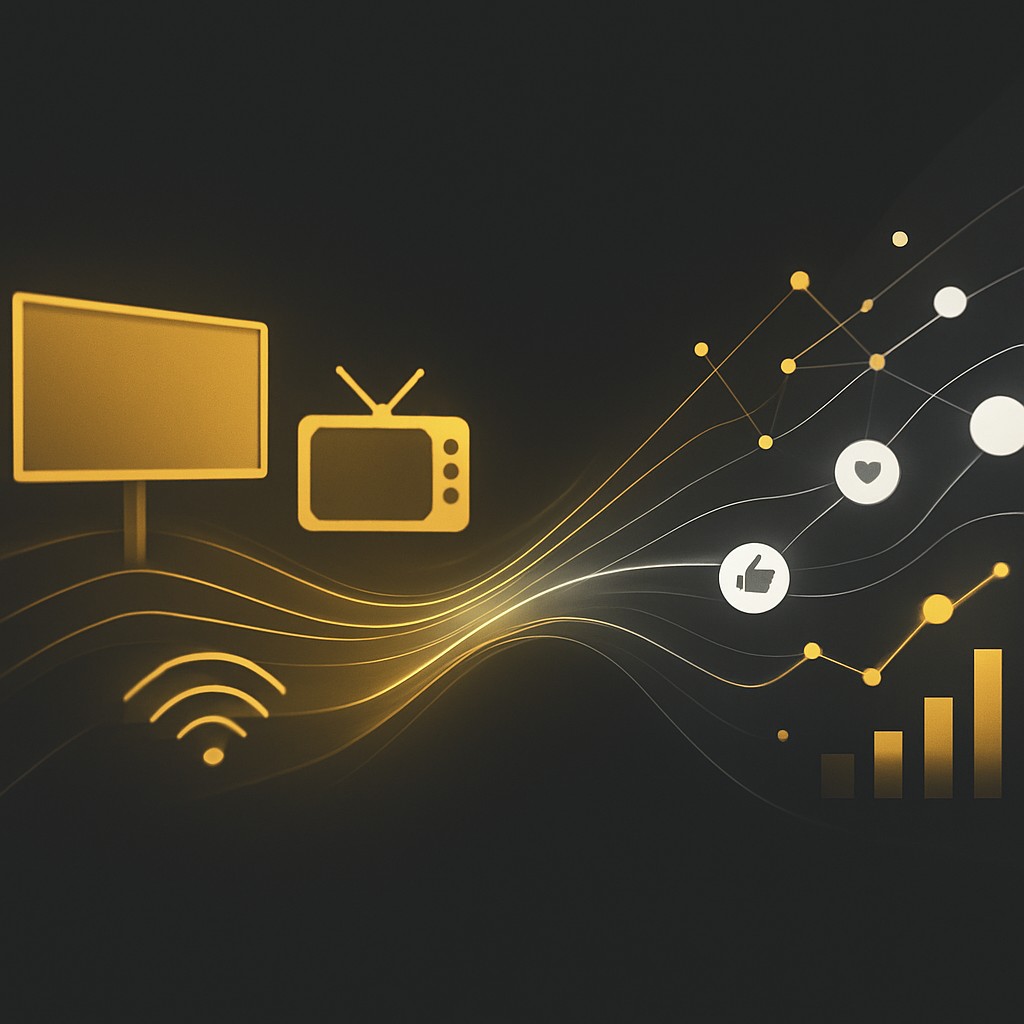
Understanding the Two Approaches
For years, marketers have framed traditional and digital marketing as opposing forces, as if a brand must choose one and abandon the other. In reality, the most successful brands recognize that these two approaches are complementary, each bringing strengths the other lacks. Traditional marketing, encompassing television, radio, print, billboards, and direct mail, excels at building broad awareness and emotional connection. Digital marketing, spanning search, social media, email, and online advertising, excels at precision targeting, measurability, and two-way engagement. Used together, they create a marketing ecosystem far more powerful than either could achieve alone.
The key is understanding when and how to use each. Traditional channels still command attention and lend credibility, while digital channels capture intent and drive measurable action. Brands that integrate the two thoughtfully reach customers at every stage of their journey.
How AAMAX.CO Bridges Traditional and Digital
Integrating traditional and digital efforts into one coherent strategy requires expertise that spans both worlds, and AAMAX.CO provides exactly that bridge. As a full-service digital marketing company offering web development, SEO, and digital marketing services worldwide, they help brands amplify their traditional campaigns through digital channels and capture the demand that offline advertising generates. When a customer sees a billboard or hears a radio ad and then searches online, their team ensures the brand is ready to convert that interest into action with a strong digital presence and well-optimized campaigns.
The Strengths of Traditional Marketing
Traditional marketing retains powerful advantages that should not be dismissed. Television and radio reach massive audiences and build the kind of broad brand awareness that is difficult to achieve through digital channels alone. Print and outdoor advertising create tangible, memorable impressions, and many consumers still perceive traditional advertising as more credible and trustworthy than online ads. For building a brand at scale and establishing legitimacy, traditional channels remain valuable.
Traditional marketing also reaches audiences that digital channels sometimes miss, including demographics that consume less online media. A well-rounded strategy acknowledges that not every customer can be reached through a screen.
The Precision of Digital Marketing
Digital marketing's greatest strength is precision. Unlike a billboard seen by everyone who passes, digital campaigns can target specific audiences based on demographics, interests, behaviors, and intent. Every click, view, and conversion can be measured, allowing marketers to know exactly what their budget is producing and to optimize in real time. This accountability is something traditional marketing has always struggled to provide.
Comprehensive digital marketing also enables two-way conversations with customers through social media and personalized messaging, building relationships rather than just broadcasting messages. This engagement turns passive audiences into active communities and loyal customers.
Integrating the Two for Maximum Impact
The real magic happens when traditional and digital marketing work together. A television campaign builds awareness and sparks curiosity, while digital channels capture the customers who go online to learn more. A direct mail piece can drive recipients to a personalized landing page. A radio ad can promote a social media campaign. Each channel reinforces the others, creating multiple touchpoints that move customers toward a purchase.
Measurement bridges the two worlds as well. By tracking spikes in online searches and website traffic during traditional campaigns, marketers can finally connect offline advertising to digital outcomes. This integration gives brands a clearer picture of what is truly driving results across the entire marketing mix.
Building an Integrated Strategy
Creating an integrated strategy starts with understanding the customer journey and identifying where each channel adds value. Traditional channels often lead at the awareness stage, while digital channels dominate consideration and conversion. Consistent messaging and branding across all channels ensures that every touchpoint reinforces the same story.
Rather than viewing traditional and digital marketing as a competition, smart brands treat them as partners in a unified strategy. By combining the broad reach and credibility of traditional media with the precision and measurability of digital channels, businesses create marketing that is both far-reaching and highly effective, capturing customers wherever they are and guiding them all the way to a purchase.
Want to publish a guest post on aamconsultants.org?
Place an order for a guest post or link insertion today.