
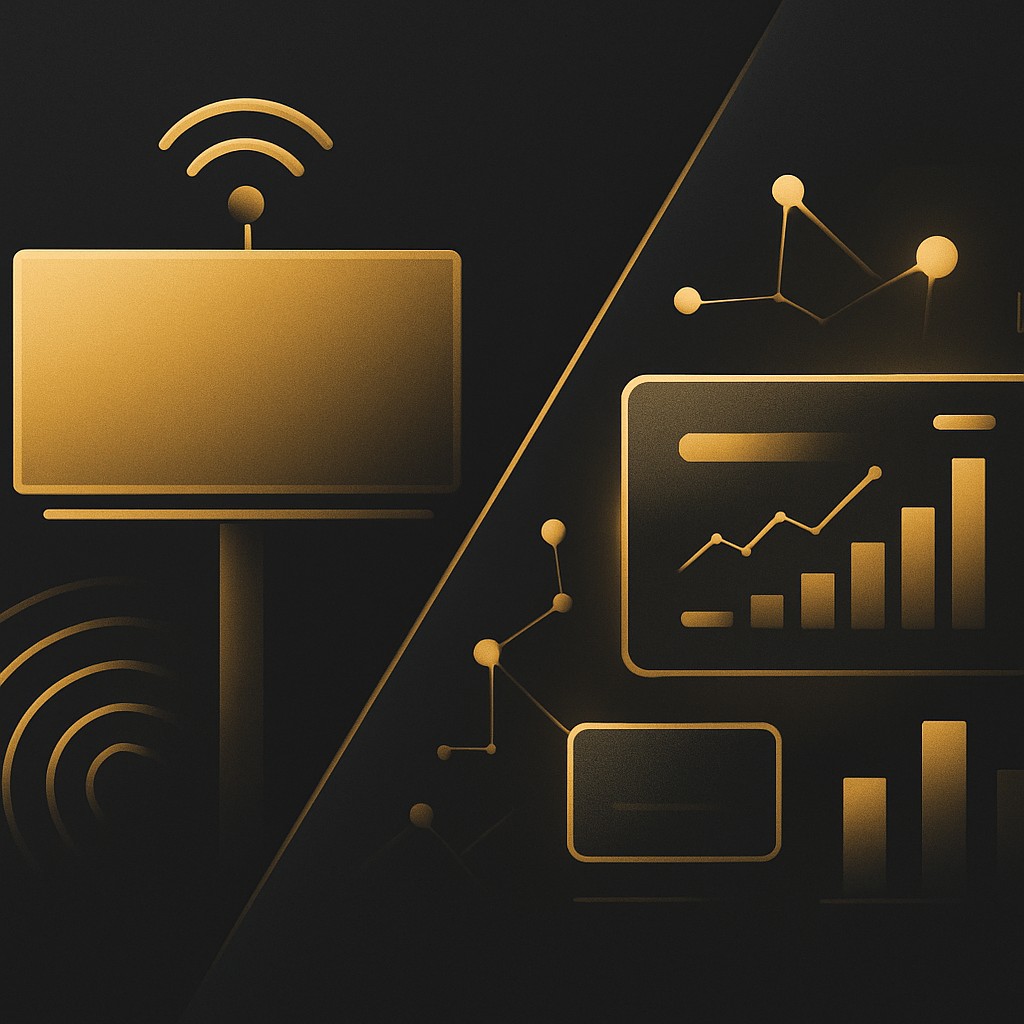
Understanding the Two Approaches
Marketing has undergone a profound transformation over the past few decades. Traditional marketing, which includes print advertisements, television and radio spots, billboards, and direct mail, dominated for generations. Digital marketing, encompassing search, social media, email, and online advertising, has risen to prominence alongside the internet. Understanding the differences between these two approaches helps businesses allocate their budgets wisely and reach their audiences effectively. Neither approach is inherently superior; each has strengths suited to different goals and audiences.
The most successful businesses often blend both, using traditional channels for broad brand awareness and digital channels for precise targeting and measurable results. The key is understanding what each does well and how they can complement one another.
How AAMAX.CO Maximizes Digital Impact
For businesses ready to harness the power of digital channels, AAMAX.CO provides comprehensive digital marketing services that deliver measurable results. They help businesses transition from purely traditional approaches or complement existing efforts with targeted, data-driven digital campaigns. Their team understands how to reach the right audience at the right time, using the precision and measurability that digital marketing uniquely offers. By focusing on outcomes and efficient spending, they help businesses worldwide get the most value from their marketing investment in the modern landscape.
Cost and Accessibility
One of the starkest differences between the two approaches is cost. Traditional marketing often requires substantial upfront investment, from producing television commercials to purchasing billboard space or printing materials. These costs can be prohibitive for small businesses. Digital marketing, by contrast, is far more accessible. A small business can launch a targeted campaign with a modest budget and scale up as results justify the investment. This affordability has leveled the playing field, allowing smaller players to compete with larger brands.
Targeting and Reach
Traditional marketing casts a wide net, reaching large audiences but with limited ability to target specific groups. A billboard is seen by everyone who passes, regardless of whether they are potential customers. Digital marketing excels at precision targeting. With tools like Google Ads and social media marketing, businesses can reach exactly the people most likely to be interested, based on demographics, interests, behaviors, and search intent. This precision reduces waste and improves return on investment.
Measurability and Optimization
Perhaps the greatest advantage of digital marketing is measurability. Traditional campaigns are notoriously difficult to track; it is hard to know exactly how many sales a magazine ad generated. Digital marketing provides detailed analytics on every campaign, revealing clicks, conversions, and return on investment in real time. This data allows continuous optimization, letting marketers adjust campaigns on the fly to improve performance. Investments in search engine optimization, for instance, can be tracked through rankings, traffic, and conversions over time.
Choosing the Right Mix
The decision between traditional and digital marketing is rarely all or nothing. The right mix depends on your audience, goals, and budget. A local business targeting an older demographic might still benefit from some traditional channels, while a company seeking measurable growth and precise targeting will lean heavily on digital. For most businesses today, digital marketing offers superior cost efficiency, targeting, and measurability, making it the foundation of a modern strategy. By understanding the strengths of each approach and partnering with experts who can execute effectively, businesses can build a marketing strategy that delivers real, trackable growth.
Want to publish a guest post on aamconsultants.org?
Place an order for a guest post or link insertion today.