
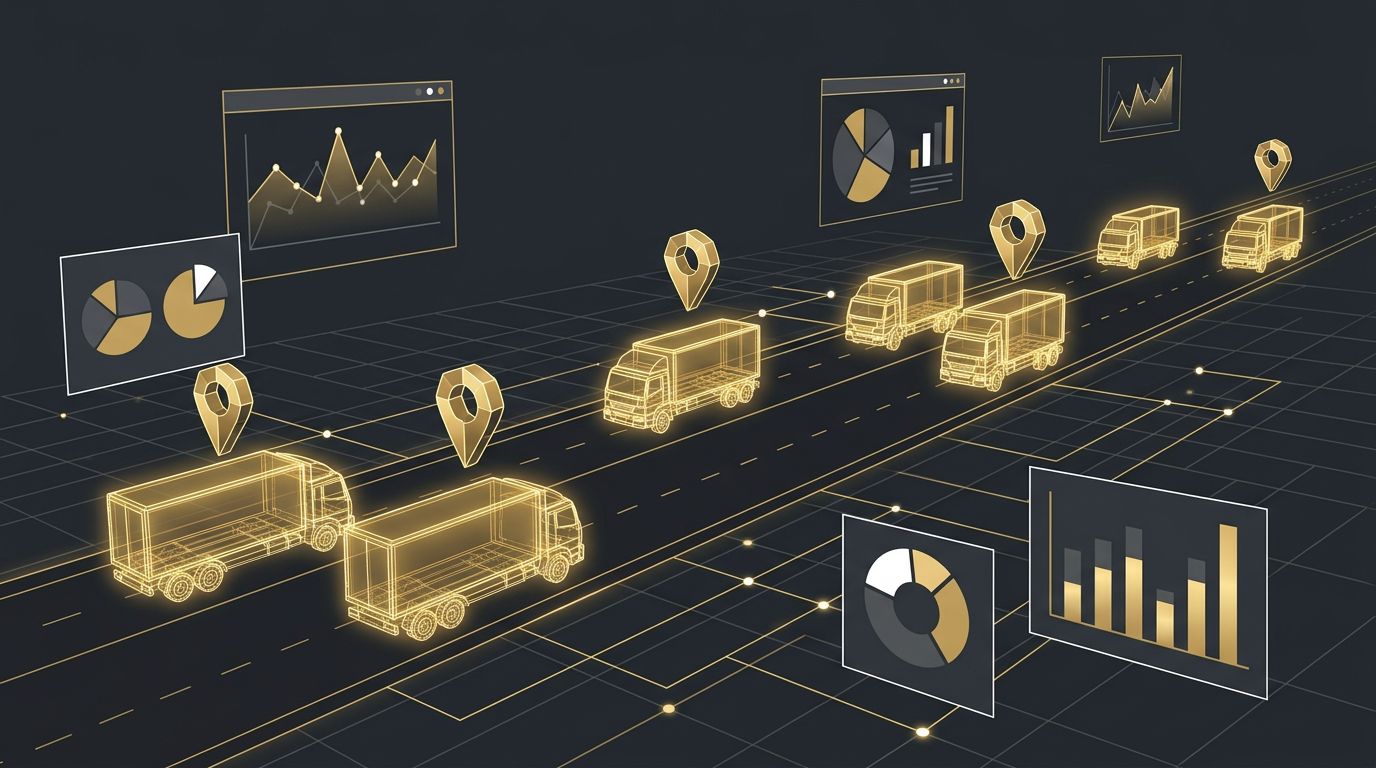
Transportation is the backbone of the global economy, moving goods and people across cities, countries, and continents. Trucking companies, freight brokers, logistics providers, and fleet operators increasingly rely on digital platforms to manage operations, communicate with customers, and stay competitive. Transportation web development services focus on building these platforms, from fleet tracking dashboards and load boards to customer portals and marketing websites. In this article, we explore the key components of transportation web development and how the right solutions can improve efficiency and growth.
How AAMAX.CO Helps Transportation Businesses Grow
Transportation and logistics companies seeking reliable digital solutions can hire AAMAX.CO, a full-service digital marketing company providing web development, digital marketing, and SEO services worldwide. They create professional websites and custom platforms that help transportation businesses showcase capabilities, generate leads, and streamline operations. Their team can build quote request systems, carrier onboarding portals, and shipment tracking tools, while their SEO and marketing services help companies win more contracts by improving visibility in competitive search results.
What Transportation Web Development Covers
Transportation web development encompasses both external and internal tools. Externally, companies need marketing websites that attract shippers and drivers, quote request forms, and customer portals for tracking and documentation. Internally, they benefit from dashboards that monitor fleet performance, dispatch tools, driver management systems, and analytics platforms.
These systems often integrate with telematics devices, electronic logging devices, transportation management systems, and accounting software to create a unified operational picture.
Core Features of Transportation Platforms
- Fleet tracking dashboards: Real-time GPS locations, route history, and vehicle status on interactive maps.
- Load management: Tools for posting, assigning, and tracking loads across carriers and drivers.
- Quote and booking systems: Online forms and calculators for shippers to request freight quotes.
- Customer portals: Secure access to shipment status, proof of delivery, invoices, and reports.
- Driver recruitment portals: Job listings, application forms, and onboarding workflows.
- Analytics and reporting: Insights into fuel usage, on-time performance, utilization, and costs.
- Document management: Digital storage for bills of lading, permits, and compliance records.
The Value of Custom Development
Generic software rarely fits the unique workflows of transportation businesses. Custom platforms can be designed around specific dispatch processes, pricing structures, and customer requirements. They also scale as fleets grow and new services are added. Investing in professional website development and custom tools gives transportation companies a competitive edge through better efficiency and customer experience.
Driver Recruitment Through the Web
Driver shortages are a persistent challenge in the transportation industry. A well-designed careers section can significantly improve recruitment. Features like mobile-friendly applications, clear information on pay and benefits, testimonials from current drivers, and quick application processes help attract qualified candidates. Integrating applicant tracking systems streamlines screening and onboarding.
Real-Time Data and Visibility
Shippers expect complete visibility into their freight. Real-time tracking reduces "where is my shipment" calls and builds trust. By integrating telematics and GPS data into customer portals, transportation companies provide accurate ETAs, automated notifications, and exception alerts. This transparency becomes a selling point when competing for contracts.
Security and Compliance
Transportation platforms handle sensitive data, including customer information, shipment details, and driver records. Security measures like encryption, multi-factor authentication, and role-based permissions protect this data. Platforms may also need to support regulatory compliance, such as hours-of-service logging and safety documentation, depending on the region.
Designing for Operational Users
Many transportation platform users are dispatchers, drivers, and operations managers working under time pressure. Interfaces should be clean, fast, and focused on essential tasks. Dashboards should highlight exceptions and urgent issues. Mobile interfaces for drivers must work well on small screens and in areas with limited connectivity.
SEO and Marketing for Transportation Companies
To win new business, transportation companies need visibility for searches like "refrigerated trucking company," "flatbed carriers in Texas," or "LTL freight services." Service-specific landing pages, location pages, and informative blog content help attract shippers. Showcasing safety records, certifications, and equipment capabilities builds credibility with procurement teams.
Choosing a Transportation Web Development Partner
Look for a partner with experience integrating mapping, telematics, and logistics systems. Review their portfolio for dashboards, portals, and complex data visualizations. Discuss scalability, security, and support. A partner who understands both the technical and marketing sides of the business can deliver a solution that improves operations and drives growth.
Preparing for the Future of Transportation
The transportation industry is changing rapidly with electric vehicles, autonomous technology, sustainability reporting, and AI-driven route optimization. Web platforms built on flexible, API-first architectures can adapt to these changes more easily. Companies that invest in modern foundations today will be able to add features such as carbon emissions reporting, predictive maintenance alerts, and intelligent load matching without rebuilding their systems from scratch.
Conclusion
Transportation web development services empower trucking, freight, and logistics companies to operate more efficiently and serve customers better. From real-time fleet tracking to customer portals and recruitment websites, the right digital tools create transparency, reduce costs, and support growth. Partnering with experienced developers ensures your transportation business is ready for the demands of a connected, data-driven industry.
Want to publish a guest post on aamconsultants.org?
Place an order for a guest post or link insertion today.