
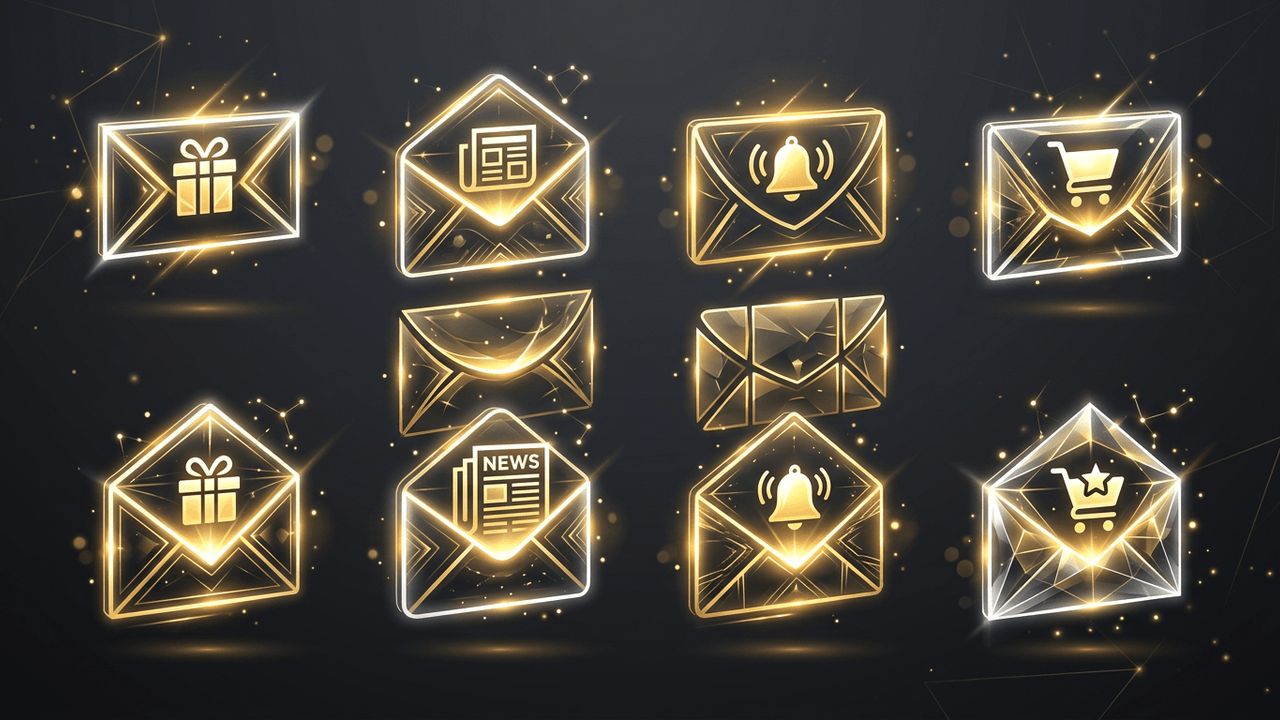
Not all marketing emails serve the same purpose. A newsletter that shares industry insights plays a very different role from an order confirmation or a flash sale announcement. Knowing the different types of email marketing helps businesses send the right message at the right moment, which leads to better engagement, stronger relationships, and more sales. In this guide, we explore the most common types of email marketing, explain what each one is designed to achieve, and show how combining them creates a complete, balanced email program.
How AAMAX.CO Supports a Complete Email Strategy
Building a mix of email types that work together requires planning across content, design, and technology. AAMAX.CO is a full-service digital marketing company that provides web development, digital marketing, and SEO services worldwide. They help businesses map each email type to the customer journey, design templates that reflect their brand, and connect email to broader digital marketing efforts. Their team ensures that every email, from a welcome message to a win-back offer, supports clear business goals.
Welcome Emails
Welcome emails are sent immediately after someone subscribes or creates an account. They typically enjoy some of the highest open rates of any email type because the subscriber has just shown interest. A welcome email should thank the new subscriber, explain what they can expect, and guide them toward a first action, such as exploring popular products or completing a profile.
Many businesses use a welcome series rather than a single email. A series might introduce the brand story, highlight key benefits, share customer testimonials, and offer a first-purchase discount over several days.
Newsletters
Newsletters are regular emails that share updates, articles, tips, and company news. Their main goal is to keep your brand top of mind and build trust by providing value. A good newsletter balances helpful content with light promotion, so subscribers look forward to receiving it instead of seeing it as another sales pitch.
Consistency matters with newsletters. Whether you send weekly or monthly, a predictable schedule helps subscribers build a habit of reading your content.
Promotional Emails
Promotional emails focus on driving immediate action, usually a purchase. They announce sales, new product launches, seasonal offers, and limited-time deals. Strong promotional emails feature a clear offer, a sense of urgency, compelling visuals, and a prominent call to action.
Because promotional emails ask for something, frequency should be managed carefully. Too many promotions can lead to fatigue and unsubscribes, while a well-timed offer to an engaged segment can generate significant revenue.
Transactional Emails
Transactional emails are triggered by a specific action a customer takes, such as making a purchase, resetting a password, or booking an appointment. Examples include order confirmations, shipping notifications, receipts, and account alerts. These emails have very high open rates because recipients are actively expecting them.
While their main purpose is informational, transactional emails also offer subtle marketing opportunities. Including related product recommendations, a referral program link, or helpful usage tips can add value without distracting from the core message.
Behavioral and Triggered Emails
Behavioral emails respond to how subscribers interact with your website or app. Abandoned cart emails remind shoppers about items left in their cart. Browse abandonment emails follow up when someone views products without buying. Milestone emails celebrate anniversaries, birthdays, or loyalty achievements.
These emails tend to perform exceptionally well because they are timely and personal. They meet the customer at a moment of demonstrated interest, which makes the message feel relevant rather than random.
Lead Nurturing Emails
Lead nurturing emails are common in B2B and high-consideration purchases. They guide prospects through the sales funnel by delivering educational content, case studies, product comparisons, and invitations to demos or consultations. The goal is to build trust gradually until the prospect is ready to buy.
Effective nurturing sequences are tailored to a prospect's interests and stage in the buying process. They often work alongside content marketing and SEO services, since the blog posts and guides that attract organic visitors can be repurposed into valuable nurturing content.
Re-engagement Emails
Over time, some subscribers stop opening emails. Re-engagement or win-back campaigns aim to reignite their interest. These emails might offer a special discount, ask subscribers to update their preferences, or simply ask whether they still want to stay on the list.
Subscribers who do not respond to a re-engagement series should usually be removed. Cleaning inactive contacts improves deliverability and gives a more accurate picture of your true audience engagement.
Survey and Feedback Emails
Feedback emails ask customers to share their opinions through surveys, reviews, or ratings. They help businesses understand customer satisfaction, identify problems, and gather social proof. Keeping surveys short and explaining how feedback will be used increases response rates.
Reviews collected through these emails can be featured on product pages and shared across social media marketing campaigns, extending their value well beyond the inbox.
Announcement and Event Emails
Announcement emails share important news, such as new features, policy changes, store openings, or company milestones. Event emails promote webinars, conferences, or in-store experiences, often in a sequence that includes an invitation, reminders, and a follow-up with a recording or summary.
Bringing the Types Together
The strongest email programs combine several types into a cohesive strategy. A typical customer might receive a welcome series, regular newsletters, occasional promotions, transactional confirmations after purchases, and behavioral reminders when they leave items behind. Mapping these emails to the customer journey ensures each one has a clear role and prevents overlapping or conflicting messages.
Start with the essentials, such as a welcome series, transactional emails, and an abandoned cart flow, then add newsletters, nurturing sequences, and re-engagement campaigns as your program matures.
Conclusion
Understanding the types of email marketing allows businesses to communicate with purpose at every stage of the customer relationship. Welcome emails make strong first impressions, newsletters build trust, promotions drive sales, transactional emails provide reassurance, and behavioral emails capture high-intent moments. When these types work together, email becomes a powerful system for growth and long-term loyalty.
Want to publish a guest post on aamconsultants.org?
Place an order for a guest post or link insertion today.