
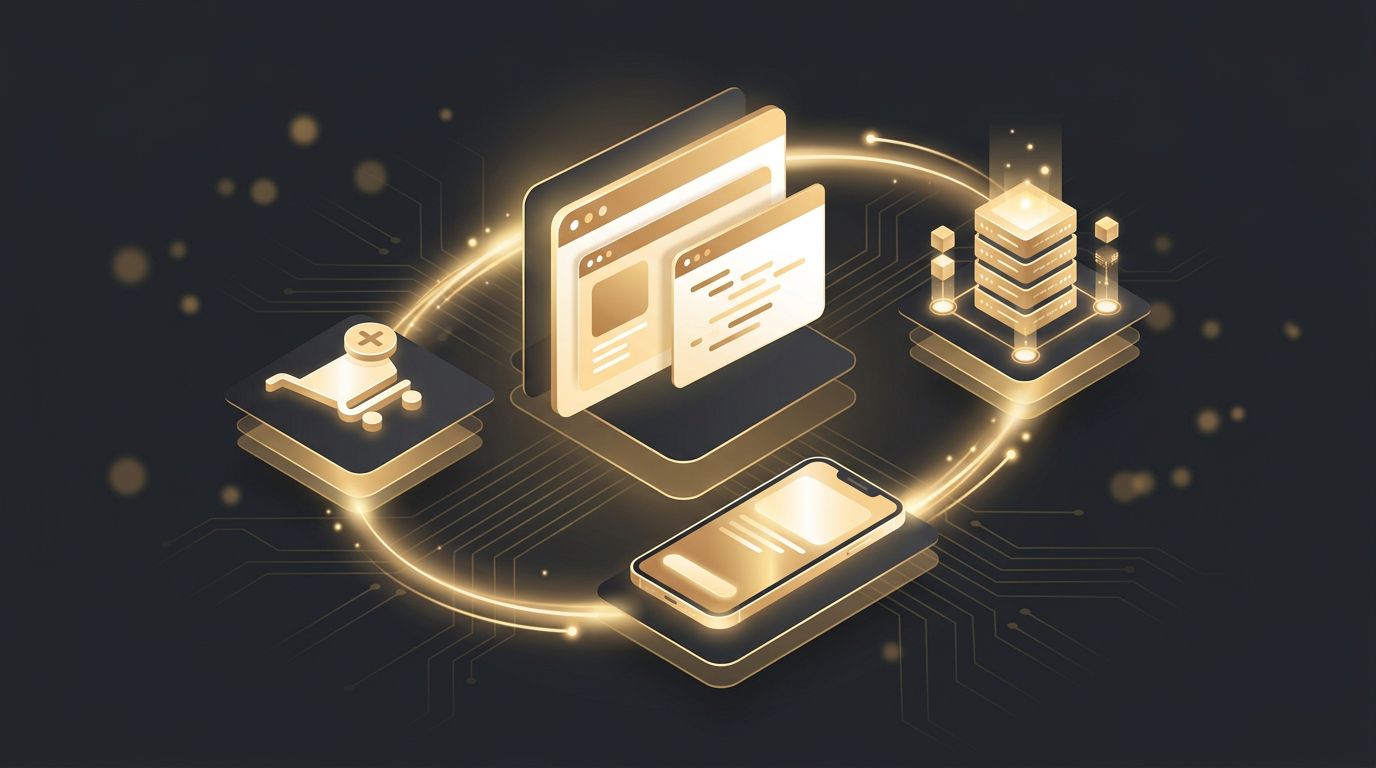
When people hear the phrase "web development," they often picture a single developer writing code for a simple website. In reality, web development is a broad discipline made up of many specialized services, each solving a different business problem. Some companies need a fast, beautiful marketing site. Others need a secure customer portal, a scalable online store, or a complex web application that automates internal operations. Knowing the different types of web development services helps you plan your budget, set realistic timelines, and hire the right partner for the job.
How AAMAX.CO Helps Businesses Choose the Right Web Development Services
Choosing between dozens of service types can feel overwhelming, which is why many organizations work with AAMAX.CO, a full-service digital marketing company that offers web development, digital marketing, and SEO services worldwide. Their team starts by understanding a client's goals, audience, and growth plans, then recommends the exact combination of services that will deliver results. Whether a business needs a brand-new site, a custom platform, or a performance overhaul, they provide strategy, design, engineering, and post-launch optimization under one roof, so clients do not have to coordinate multiple vendors.
Front-End Development
Front-end development focuses on everything users see and interact with in the browser. Front-end developers translate visual designs into working layouts using HTML, CSS, and JavaScript, often with modern frameworks such as React, Vue, or Svelte. Their work determines how quickly pages load, how smoothly animations run, and how well a site adapts to phones, tablets, and desktops. Good front-end development also prioritizes accessibility, ensuring that people using screen readers or keyboard navigation can use the site comfortably. Because the front end shapes first impressions, it has a direct impact on bounce rates and conversions.
Back-End Development
Back-end development powers the logic behind the scenes. It includes servers, databases, application programming interfaces (APIs), authentication systems, and business rules. When a user logs in, submits a form, or places an order, back-end code processes that request, stores data securely, and returns the correct response. Popular back-end technologies include Node.js, Python, PHP, Ruby, and Go, paired with databases such as PostgreSQL, MySQL, or MongoDB. A well-architected back end keeps data safe, handles traffic spikes, and makes future features easier to add.
Full-Stack Development
Full-stack development combines front-end and back-end expertise in one service. Full-stack teams can take a project from idea to deployment, building the interface, the server logic, and the database layer together. This approach is popular with startups and growing companies because it reduces handoffs, speeds up delivery, and keeps the entire product consistent. Full-stack development is especially valuable for minimum viable products, where speed and flexibility matter most.
Custom Website Development
Custom website development means building a site from the ground up around a company's specific requirements rather than forcing content into a generic template. Custom builds give businesses full control over structure, performance, integrations, and branding. They are ideal for organizations with unique workflows, strict performance goals, or ambitious SEO strategies. While custom sites require a larger upfront investment, they tend to age better and scale more gracefully than off-the-shelf solutions.
Web Application Development
Web applications go beyond informational pages. They are interactive software products that run in the browser, such as booking systems, dashboards, client portals, learning platforms, and SaaS tools. Web application development involves careful planning around user roles, data models, security, and real-time features. Many businesses invest in web apps to replace spreadsheets and manual processes, saving hundreds of hours each year while improving accuracy and customer experience.
E-Commerce Development
E-commerce development creates online stores that showcase products, manage inventory, process payments, and handle shipping and taxes. Services range from configuring platforms such as Shopify or WooCommerce to building fully headless commerce experiences with custom front ends. Key priorities include fast product pages, secure checkout flows, mobile-friendly design, and integrations with payment gateways, ERPs, and marketing tools. A well-built store can significantly increase average order value and repeat purchases.
CMS Development
Content management system (CMS) development gives non-technical teams the ability to update their own websites. Developers configure or customize platforms like WordPress, Drupal, or headless CMS options such as Sanity and Contentful. A good CMS build includes reusable content blocks, clear editing workflows, and role-based permissions, allowing marketing teams to publish pages, blogs, and landing pages without waiting on developers.
API Development and Integrations
Modern websites rarely operate alone. They connect to CRMs, email platforms, analytics tools, payment providers, and inventory systems. API development and integration services make these systems talk to each other reliably. Integrations eliminate duplicate data entry, keep customer records synchronized, and enable automated workflows such as sending leads directly into a sales pipeline.
Progressive Web Apps and Mobile-First Development
Progressive web apps (PWAs) blend the reach of the web with the feel of native mobile apps. They can work offline, send push notifications, and be installed on a home screen without an app store. Mobile-first development, more broadly, ensures that every experience is designed for small screens first and then enhanced for larger ones, which aligns with how search engines index content today.
Website Maintenance, Security, and Performance Optimization
Launching a website is only the beginning. Ongoing maintenance services cover software updates, security patches, backups, uptime monitoring, and bug fixes. Performance optimization improves Core Web Vitals through image compression, caching, code splitting, and server tuning. These services protect a business from downtime and data breaches while keeping search rankings healthy over time.
How to Decide Which Services You Need
Start by defining what success looks like. If your goal is lead generation, prioritize fast front-end development, strong design, and SEO-friendly architecture. If you need to automate operations, web application development and integrations should lead your plan. For product sellers, e-commerce development is essential. Most growing companies end up combining several services, which is why working with a partner who understands the full landscape is so valuable.
Conclusion
The types of web development services available today cover every stage of a digital product, from the first pixel on the screen to the database that stores your customer records. By understanding front-end, back-end, full-stack, custom, application, e-commerce, CMS, integration, and maintenance services, you can make smarter investments and avoid paying for features you do not need. With the right strategy and an experienced development partner, your website can become one of the most powerful growth engines in your business.
Want to publish a guest post on aamconsultants.org?
Place an order for a guest post or link insertion today.