
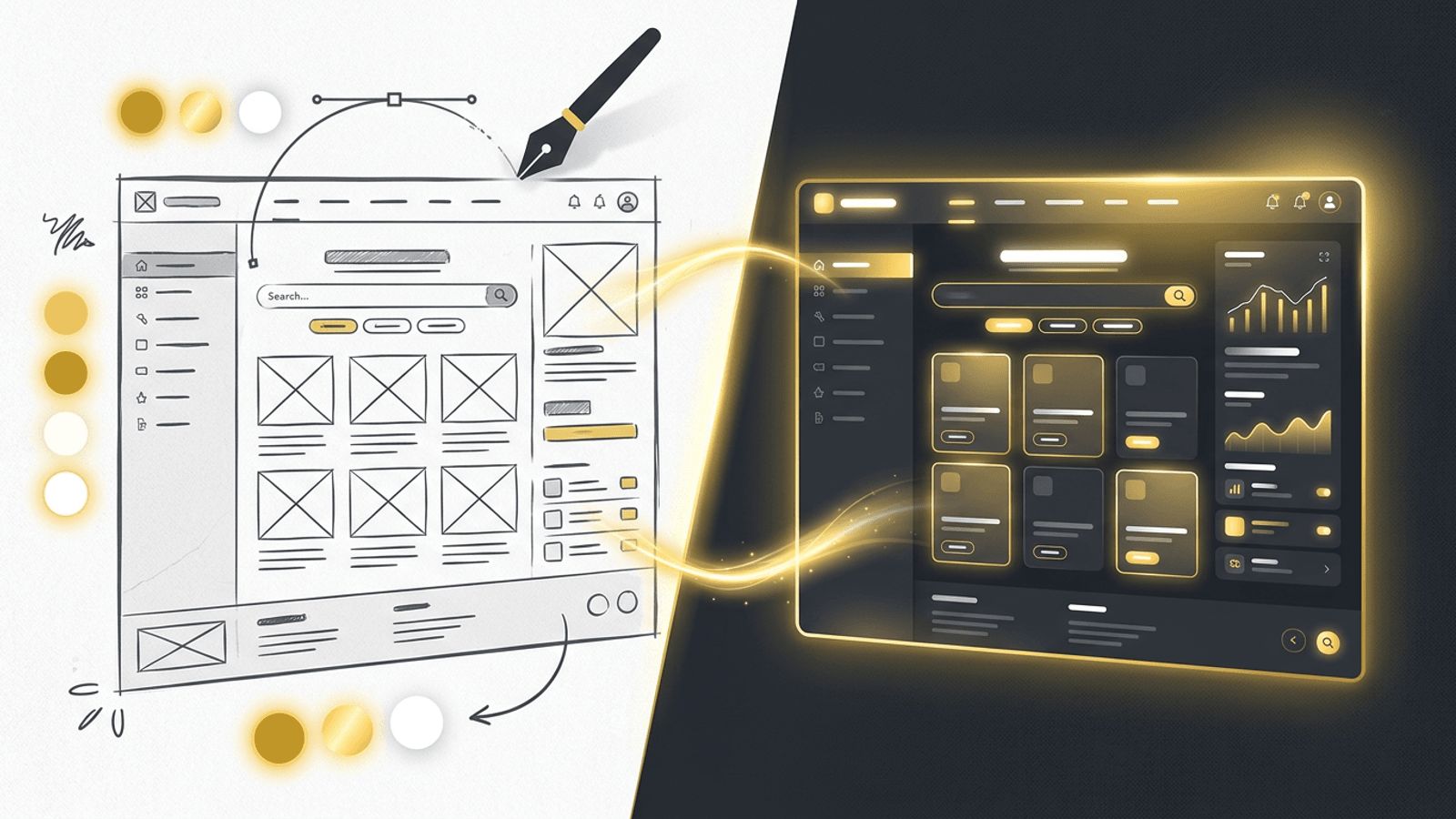
A web application can have powerful features and robust code, yet still fail if users find it confusing or unappealing. Likewise, a beautifully designed interface is of little value if the underlying system is slow, buggy, or insecure. Successful products emerge when design and development work hand in hand. Web application design and development is the combined discipline of understanding users, crafting intuitive and attractive interfaces, and engineering reliable, scalable systems that bring those designs to life. When these two disciplines collaborate closely from the beginning, the result is an application that users enjoy, trust, and return to again and again.
How AAMAX.CO Combines Design and Development Expertise
Businesses that want a seamless blend of design and engineering can hire AAMAX.CO. They are a full-service digital marketing company offering web development, digital marketing, and SEO services worldwide. Their designers and developers collaborate throughout each project, ensuring user experience goals translate into polished, functional software. They deliver intuitive website design and interface work alongside scalable engineering, creating applications that look great and perform reliably. With marketing expertise in-house, they also make sure each product is positioned to attract and engage its target audience.
The Role of Design in Web Applications
Design in web applications encompasses two closely related areas. User experience (UX) design focuses on how the application works: understanding user needs, mapping journeys, structuring information, and ensuring tasks can be completed efficiently. User interface (UI) design focuses on how the application looks: typography, color, layout, iconography, and visual feedback. Together, UX and UI design shape first impressions, usability, and overall satisfaction.
UX Design Fundamentals
Strong UX design begins with research. Designers conduct user interviews, analyze competitors, review analytics, and create personas representing key user groups. They map user journeys to identify pain points and opportunities, then organize features and content through information architecture. Wireframes and prototypes visualize workflows before development begins, and usability testing validates assumptions with real users. This research-driven process ensures the application solves real problems in intuitive ways.
UI Design Principles
Effective UI design follows several key principles:
- Consistency: uniform patterns, components, and styles across the application.
- Visual hierarchy: guiding attention to the most important elements.
- Clarity: simple, readable layouts that avoid clutter.
- Feedback: clear responses to user actions, such as loading states and confirmations.
- Accessibility: sufficient contrast, readable typography, and inclusive interactions.
- Brand alignment: visuals that reflect the company's identity and values.
Design Systems
A design system is a collection of reusable components, guidelines, and design tokens that define how an application looks and behaves. Buttons, forms, cards, modals, navigation elements, and typography styles are documented and shared between designers and developers. Design systems speed up development, maintain consistency, and make it easier to scale applications as new features are added. Tools like Figma for design and component libraries in code keep both sides aligned.
The Development Side
Development transforms designs into functional software. Front-end developers build the interface using HTML, CSS, JavaScript, and frameworks like React, Next.js, Vue, or Angular, ensuring designs are implemented accurately and responsively. Back-end developers create the server logic, databases, APIs, authentication, and integrations that power the application. Full-stack developers often bridge both areas. Clean architecture, modular code, and adherence to best practices ensure the application is maintainable and scalable.
Bridging Design and Development
The handoff between design and development is where many projects lose quality. Close collaboration prevents this. Developers should be involved early to provide feedback on technical feasibility, while designers should stay engaged during development to clarify interactions and review implementations. Shared design systems, detailed specifications, interactive prototypes, and regular reviews keep everyone aligned. This collaboration results in products that match the original vision while remaining technically sound.
Responsive and Accessible Applications
Modern web applications must work across desktops, tablets, and smartphones. Responsive design and development ensure layouts adapt gracefully to different screens and input methods. Accessibility should be built in from the start, following WCAG guidelines with semantic HTML, keyboard navigation, screen reader support, and appropriate color contrast. Accessible applications serve more users and reduce legal risk.
Performance and Security
Design decisions affect performance. Heavy animations, large images, and complex layouts can slow applications if not optimized. Developers use techniques like code splitting, lazy loading, caching, and image optimization to maintain speed. Security is equally critical, requiring secure authentication, data encryption, input validation, and regular updates.
Testing and Iteration
Usability testing, automated tests, and quality assurance ensure the application works as intended and is easy to use. After launch, analytics, heatmaps, and user feedback reveal opportunities for improvement. Iterative design and development cycles allow teams to refine features and keep the product aligned with user needs.
Conclusion
Web application design and development are two sides of the same coin. Thoughtful UX and UI design create intuitive, engaging experiences, while solid engineering delivers speed, reliability, and scalability. By fostering close collaboration between designers and developers, using design systems, prioritizing accessibility and performance, and continually iterating, businesses can build web applications that delight users and drive lasting success.
Want to publish a guest post on aamconsultants.org?
Place an order for a guest post or link insertion today.