
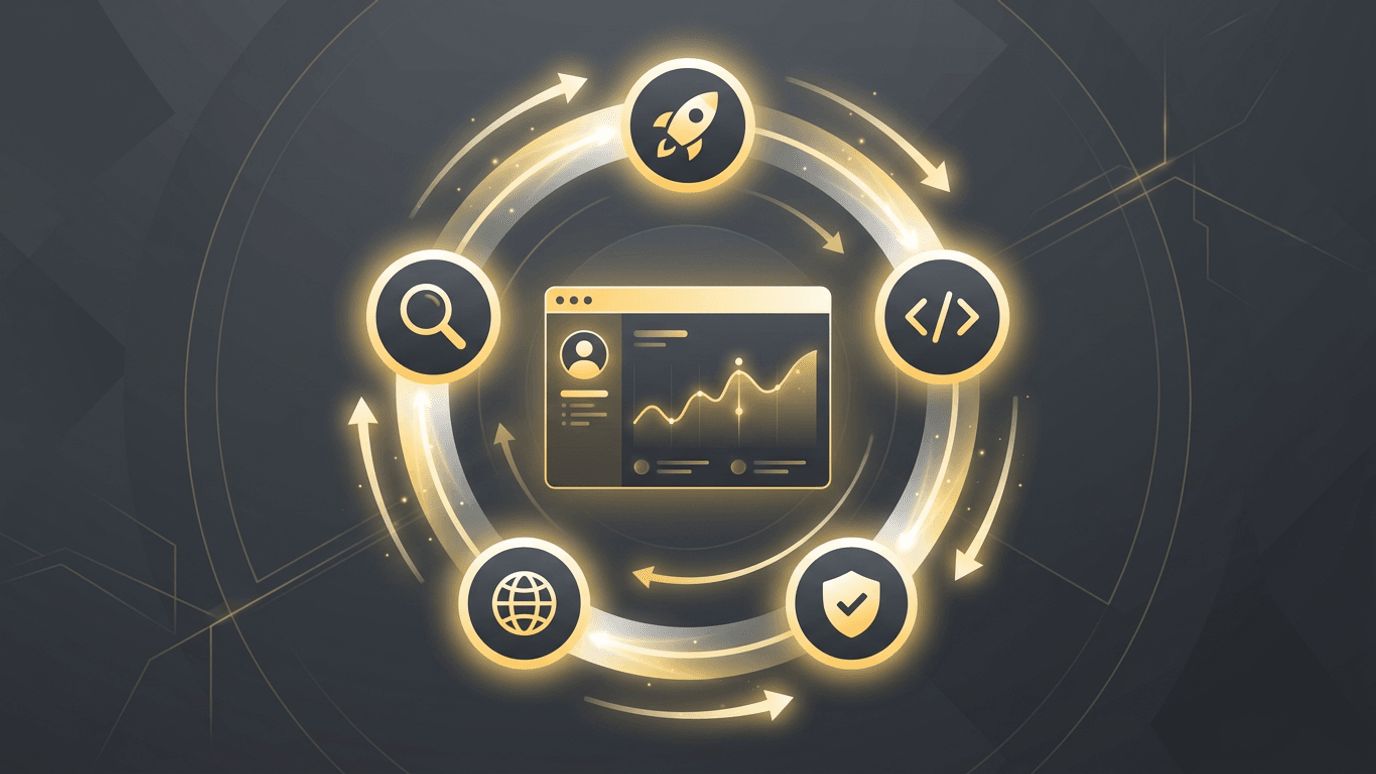
Building a web application without a defined process is like constructing a building without blueprints. Teams risk miscommunication, missed deadlines, budget overruns, and products that fail to meet user needs. A structured web application development process provides a roadmap that guides every stakeholder from initial idea to successful launch and beyond. While methodologies vary between teams, most successful projects follow a similar sequence of phases. This article breaks down the web application development process step by step, explaining the goals, activities, and deliverables of each phase.
How AAMAX.CO Follows a Proven Development Process
Businesses that value transparency and predictable results can rely on AAMAX.CO. They are a full-service digital marketing company offering web development, digital marketing, and SEO services worldwide. Their team follows a structured, collaborative process that keeps clients involved at every stage, from discovery workshops and design reviews to sprint demonstrations and launch planning. This disciplined approach ensures that projects stay on track and deliver applications that meet both user expectations and business goals.
Phase 1: Discovery and Research
The discovery phase establishes a shared understanding of the project. Teams meet with stakeholders to define business objectives, target users, success metrics, and constraints. They analyze competitors, review existing systems, and identify technical requirements. User research, including interviews and surveys, uncovers real needs and pain points. The output is typically a project brief, requirements document, and initial roadmap that guide all subsequent work.
Phase 2: Planning and Scope Definition
During planning, the team translates research into an actionable plan. Features are documented as user stories and prioritized based on value and effort. The scope of the initial release is defined, often as a minimum viable product. Timelines, milestones, budgets, and team roles are established. Risks are identified, along with mitigation strategies. Clear planning creates alignment and reduces surprises later in the project.
Phase 3: UX and UI Design
The design phase shapes how users interact with the application. Information architecture organizes features and content logically. Wireframes outline layouts and user flows, while high-fidelity mockups define visual style. Interactive prototypes allow stakeholders and users to test the experience before development begins. Design systems with reusable components ensure consistency. Investing in thoughtful website design at this stage prevents costly changes during development.
Phase 4: Architecture and Technical Planning
Before coding begins, technical leaders design the system architecture. They select the technology stack, define database schemas, plan APIs, and determine hosting infrastructure. Decisions about authentication, integrations, caching, and scalability are documented. Security and compliance requirements are incorporated into the design. A solid technical plan ensures that the application can grow without major rework.
Phase 5: Development
Development is where the application comes to life. Most teams use agile methodologies, working in short sprints that deliver functional features. Frontend developers build interfaces based on designs, while backend developers implement business logic, databases, and APIs. Version control, code reviews, and continuous integration maintain quality. Regular sprint demonstrations allow stakeholders to provide feedback and adjust priorities as needed.
Phase 6: Testing and Quality Assurance
Quality assurance runs alongside development and intensifies before launch. Automated tests verify functions, components, and complete user journeys. Manual testing explores edge cases and usability. Performance testing ensures the application handles expected traffic, while security testing identifies vulnerabilities. Cross-browser and cross-device testing confirms a consistent experience. User acceptance testing gives stakeholders the final confirmation that requirements are met.
Phase 7: Deployment and Launch
Deployment moves the application from staging to production. Teams configure hosting, domains, SSL certificates, environment variables, monitoring, and backups. CI/CD pipelines automate releases and enable quick rollbacks if needed. A launch plan coordinates communication, marketing activities, and support readiness. Some teams use phased rollouts or beta programs to reduce risk and gather early feedback.
Phase 8: Maintenance and Continuous Improvement
Launch marks the beginning of the application's lifecycle. Maintenance includes fixing bugs, applying security updates, upgrading dependencies, and optimizing performance. Analytics and user feedback reveal opportunities for improvement. New features are planned and delivered through ongoing sprints. Regular reviews ensure the application continues to align with business goals and user expectations.
Choosing the Right Methodology
Different methodologies suit different projects. Agile and Scrum emphasize flexibility and iterative delivery, making them ideal for evolving products. Kanban focuses on continuous flow and is useful for maintenance and support work. Waterfall follows a sequential approach and may suit projects with fixed, well-defined requirements. Many teams adopt hybrid approaches that combine structured planning with iterative execution.
Communication and Collaboration
Effective communication underpins every phase of the process. Regular meetings, shared project boards, documentation, and transparent reporting keep stakeholders informed. Clear roles and responsibilities prevent confusion. Encouraging feedback and collaboration between designers, developers, testers, and business teams leads to better decisions and higher-quality outcomes.
Conclusion
A well-defined web application development process is essential for delivering successful projects on time and within budget. By moving through discovery, planning, design, architecture, development, testing, deployment, and continuous improvement, teams reduce risk and create applications that truly serve users. Partnering with an experienced team that follows a proven process ensures your web application is built on a strong foundation and continues to deliver value long after launch.
Want to publish a guest post on aamconsultants.org?
Place an order for a guest post or link insertion today.