
Introduction
Web design and web development are often used interchangeably, but they are distinct disciplines with different skills, tools, and goals. Confusing the two can lead to mismatched expectations, poor hiring decisions, and disappointing project outcomes. Whether you are planning your first website or scaling an existing digital product, understanding the difference between web design and web development is essential.
Hire AAMAX.CO for Web Design and Development
Businesses that want both disciplines handled by a single, coordinated team often partner with AAMAX.CO. They provide end-to-end services covering everything from website design through complex web application development. Their integrated process ensures designers and developers collaborate from day one, eliminating the gaps that often plague projects split between separate vendors.
Defining Web Design
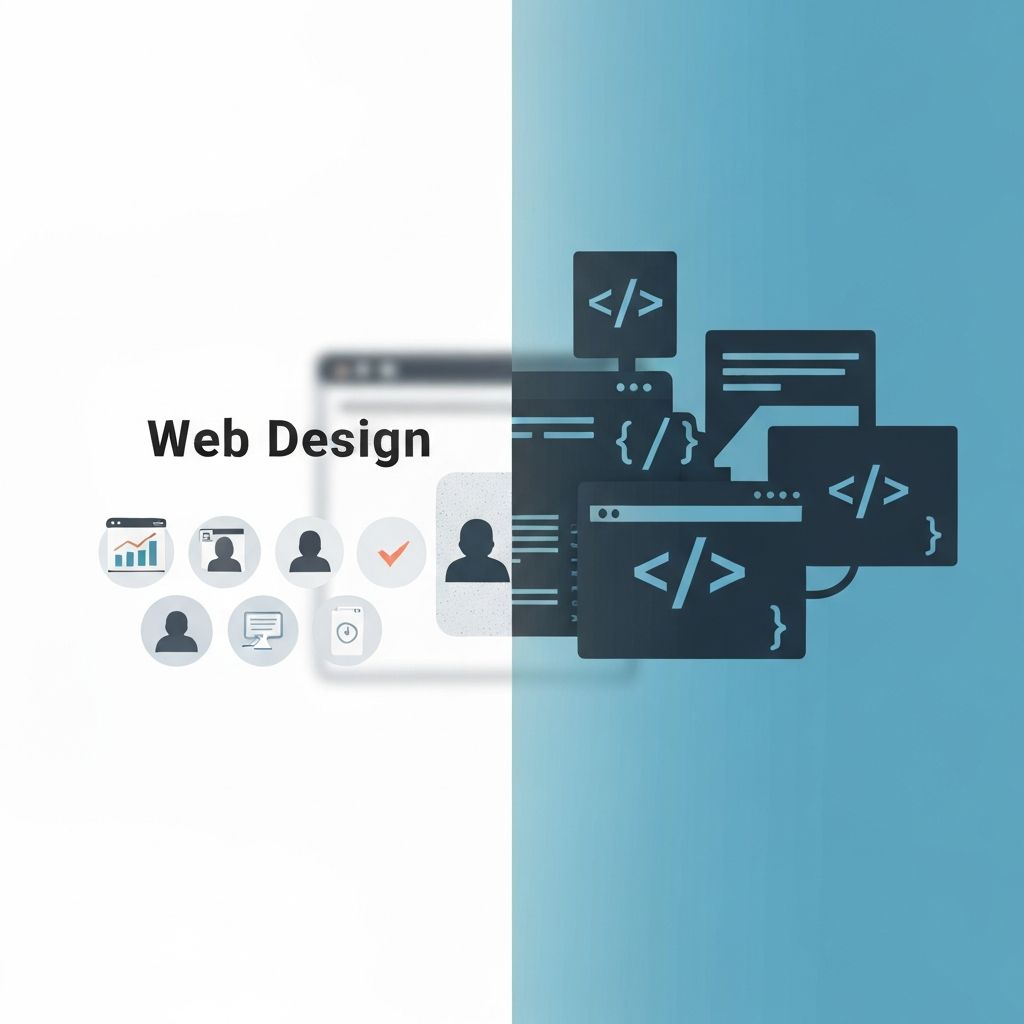
Web design focuses on the look, feel, and overall user experience of a website. Designers craft visual identities, layouts, color palettes, typography, imagery, iconography, and interactions. They map customer journeys, build wireframes and prototypes, and ensure that every screen communicates the brand and guides users toward meaningful actions. Their output typically includes mockups in tools like Figma, design systems, and interactive prototypes.
Defining Web Development
Web development is the technical implementation of those designs. Developers turn static mockups into living, interactive websites using HTML, CSS, JavaScript, and a wide range of frameworks and back-end technologies. They handle databases, APIs, authentication, performance, security, and integrations with third-party tools. Their output is functioning code, deployed to servers or edge networks, that visitors actually use.
Front-End vs. Back-End Development
Within web development, there is a further split. Front-end developers focus on what users see and interact with, working closely with designers to translate visuals into responsive, accessible interfaces. Back-end developers build the engines behind the scenes—APIs, databases, business logic, and infrastructure. Full-stack developers handle both sides, which is especially common in smaller teams and agencies.
Skills and Tools That Differ
Designers typically work in tools like Figma, Adobe XD, Sketch, and design system platforms. They study typography, color theory, accessibility, UX research, and user psychology. Developers, on the other hand, live in code editors, version control systems like Git, package managers, and deployment platforms. They study algorithms, frameworks, performance optimization, and software architecture. While there is overlap—especially among designers who code or developers with strong UI sensibilities—the core skill sets remain distinct.
How They Collaborate
Successful projects depend on strong collaboration between designers and developers. Designers must understand technical constraints—performance budgets, browser support, responsive behavior—while developers must respect design intent and details. Shared tools like design systems, component libraries, and Storybook help bridge the gap. Regular design reviews and developer feedback during the design phase prevent costly rework later.
When You Need Each (or Both)
If your existing site has solid functionality but looks outdated, you may primarily need design work. If you have great visuals but the site is slow, buggy, or lacks features, development is the priority. For new projects, you almost always need both: a designer to define the experience and a developer to build it. Trying to skip either typically results in a website that is either ugly but functional or beautiful but broken.
The Risk of Treating Them as One
Hiring a generalist who claims to do everything can work for very small projects, but for serious websites and web applications, specialization matters. The best results come from teams where designers and developers each focus on their strengths and collaborate closely, rather than one person stretching thin across both disciplines.
Project Workflow: From Idea to Launch
A typical workflow looks like this: discovery and strategy, sitemap and wireframes, visual design, design system creation, front-end development, back-end development, integrations, QA testing, content population, performance and SEO optimization, and finally launch. Both designers and developers play roles throughout, with the heaviest design work front-loaded and the heaviest development work in the middle and end phases.
Conclusion
Web design and web development are partners, not rivals. Each discipline brings unique value, and the best websites emerge when both are treated with equal respect and integrated from the start. Knowing the difference helps you hire the right talent, set realistic expectations, and ultimately ship a website that is as functional as it is beautiful.
Want to publish a guest post on aamconsultants.org?
Place an order for a guest post or link insertion today.