
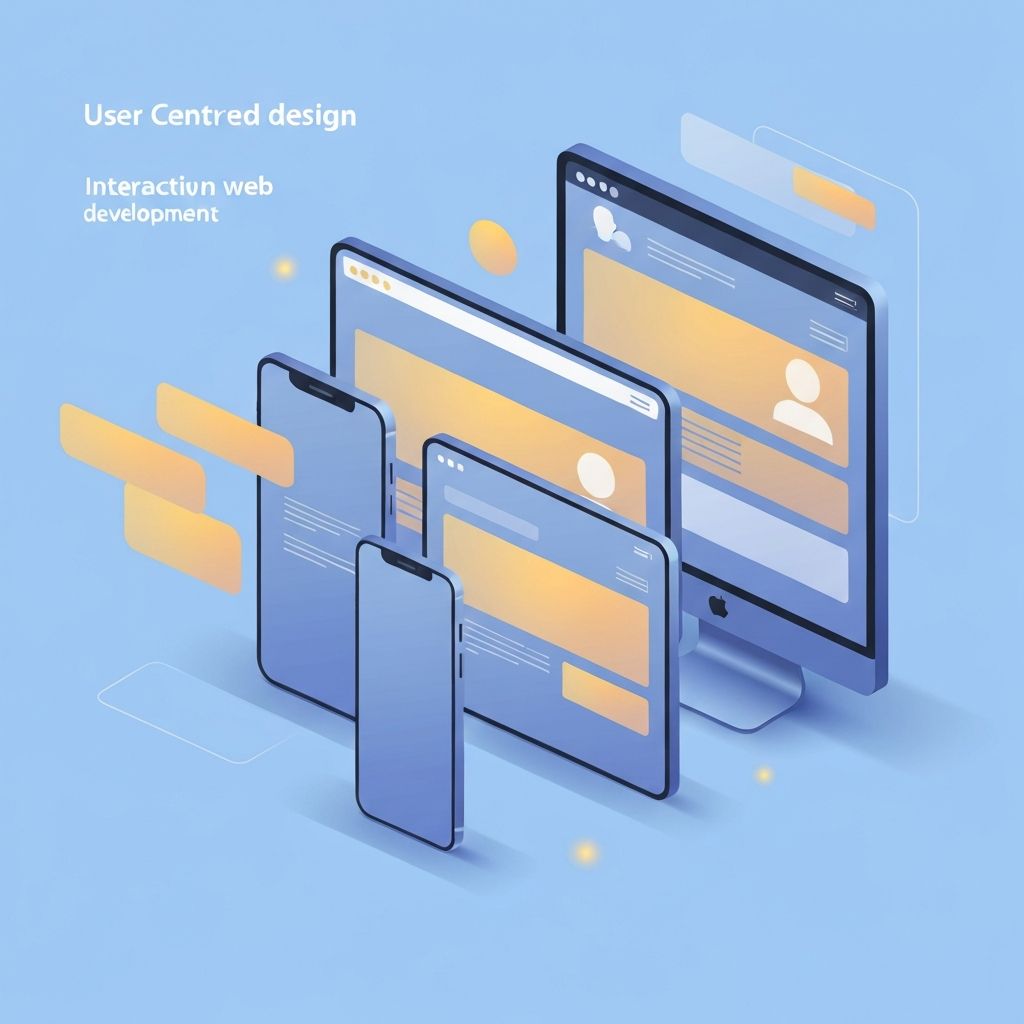
Web design in 2025 is shaped by faster expectations, smarter technology, and more diverse audiences than ever before. Users want instant load times, seamless mobile experiences, and personalized content, while search engines reward sites that are accessible, secure, and performant. Following the latest best practices is no longer optional, it is essential to stay competitive. This guide covers the principles every modern website should embrace this year.
Hire AAMAX.CO to Implement 2025 Best Practices
Implementing modern best practices requires both creative vision and technical expertise. AAMAX.CO is a full-service digital agency that helps businesses worldwide build future-ready websites and web applications. Their team stays ahead of design trends, performance benchmarks, and accessibility standards so your site is not just beautiful but also fast, inclusive, and built to convert.
1. Mobile-First Is Now Mobile-Only Mindset
More than 60% of global web traffic comes from mobile devices. Designing mobile-first means starting with the smallest screen and scaling up. In 2025, this also means optimizing for foldables, large tablets, and even in-car displays. Touch targets should be generous, navigation should be thumb-friendly, and content should load quickly even on slower networks.
2. Core Web Vitals and Performance
Google's Core Web Vitals, including Largest Contentful Paint, Interaction to Next Paint, and Cumulative Layout Shift, directly impact rankings and user satisfaction. Aim for sub-2.5 second load times, eliminate layout shifts, and ensure interactive elements respond instantly. Use modern image formats like WebP and AVIF, lazy load below-the-fold content, and leverage edge caching wherever possible.
3. Accessibility Is Non-Negotiable
Accessibility is both an ethical responsibility and a legal one in many regions. Follow WCAG 2.2 guidelines: ensure sufficient color contrast, provide alt text for images, support keyboard navigation, and use semantic HTML. Inclusive design expands your audience and often improves usability for everyone.
4. AI-Powered Personalization
AI is transforming how websites adapt to individual users. From chatbots that handle support to recommendation engines that surface relevant products, AI enables real-time personalization at scale. In 2025, expect more sites to use generative AI for dynamic content, smart search, and conversational interfaces. Use these tools thoughtfully, however, and always disclose AI-generated content where appropriate.
5. Bold Typography and Minimalism
Typography is taking center stage in 2025. Large, expressive headlines paired with clean, generous whitespace create memorable first impressions. Variable fonts allow for greater flexibility without sacrificing performance. Minimalism continues to dominate, but with more personality, think bold type, micro-animations, and unexpected color accents.
6. Dark Mode and Adaptive Themes
Users increasingly expect dark mode support. Beyond aesthetics, dark themes can reduce eye strain and save battery life on OLED screens. Build your design system with both light and dark modes in mind from the start, ensuring contrast and readability in both.
7. Micro-Interactions and Motion Design
Subtle animations guide users, provide feedback, and add delight. Hover states, loading indicators, and scroll-triggered animations can elevate a site from functional to memorable. Just be mindful of performance and respect users who prefer reduced motion through the prefers-reduced-motion media query.
8. Privacy-First Design
With growing regulations like GDPR, CCPA, and similar laws worldwide, privacy must be built into your design. Use clear cookie banners, minimize data collection, and offer transparent privacy controls. Trust is a competitive advantage in 2025.
9. Sustainable Web Design
Every byte transferred consumes energy. Sustainable web design emphasizes efficient code, optimized media, and green hosting. Lighter, faster sites are not only better for users, they are better for the planet. Tools like Website Carbon Calculator can help you measure and reduce your site's environmental impact.
10. Component-Based Design Systems
Reusable design systems built with components ensure consistency, speed up development, and make maintenance easier. Tools like Figma, Storybook, and modern frameworks make it easier than ever to maintain a single source of truth across teams.
Final Thoughts
Web design in 2025 is about balance. Balance between beauty and performance, personalization and privacy, innovation and accessibility. By embracing these best practices, you create websites that not only look great today but are ready for whatever tomorrow brings. Treat your website as a living product, iterate often, listen to your users, and keep refining the experience.
Want to publish a guest post on aamconsultants.org?
Place an order for a guest post or link insertion today.