
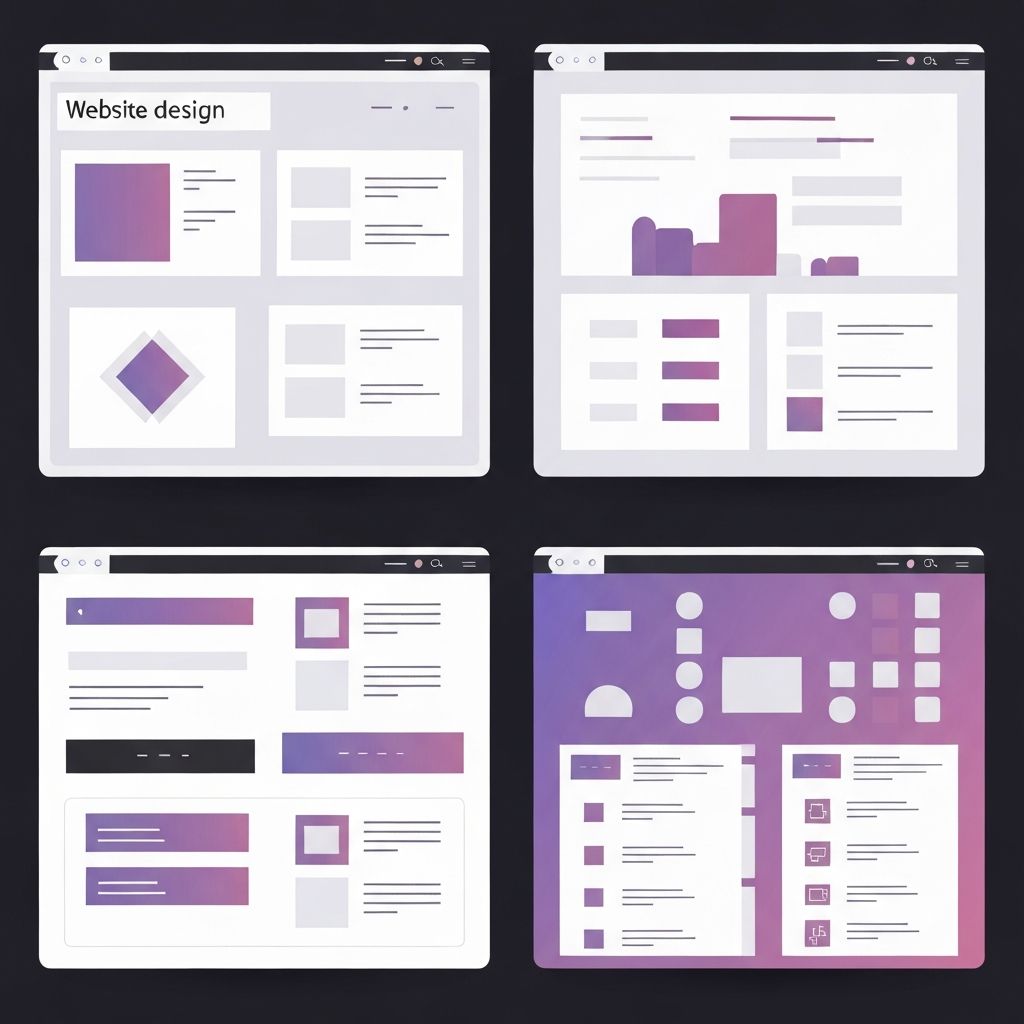
Why Web Design Consistency Matters
Consistency is one of the most underrated principles in web design, yet it has an outsized impact on user experience, conversions, and brand perception. When buttons, typography, spacing, and interactions behave predictably across pages, users feel confident navigating a site. They learn the interface quickly, trust the brand more, and complete their goals with less friction. Inconsistent design, on the other hand, creates cognitive load, erodes credibility, and often hides deeper structural problems in the design system.
Hire AAMAX.CO to Build Cohesive Digital Experiences
Achieving true consistency at scale requires both creative discipline and technical rigor. AAMAX.CO helps brands establish unified design languages, build robust component libraries, and implement them through clean website development. Their team works closely with stakeholders to align visual style, content tone, and interaction patterns, ensuring every page reinforces the same brand promise. Whether it is a marketing site, a SaaS platform, or a multi-region storefront, they deliver experiences that feel intentional from the first click to the last.
Visual Consistency: Color, Typography, and Spacing
Visual consistency starts with the fundamentals. A defined color palette with clear primary, secondary, and accent roles prevents the chaotic feeling of pages that look like they were designed by different teams. Typography should follow a strict scale with predictable hierarchy for headings, body text, captions, and UI labels. Spacing tokens — applied consistently to padding, margins, and layout grids — give pages a calm, professional rhythm. These choices may seem small individually, but together they form the visual signature users subconsciously recognize.
Interaction Consistency Across Components
Beyond visuals, interactions must behave predictably. Buttons should respond the same way on hover, focus, and click across the entire site. Form fields should validate using the same patterns, error messages, and tone of voice. Navigation menus, modals, and tooltips need shared behaviors so users do not have to relearn the interface on every new page. This kind of consistency is especially critical for accessibility, as users relying on keyboards or assistive technologies depend on predictable patterns to navigate confidently.
Content and Voice Consistency
Consistency is not only visual; it is also editorial. Tone of voice, terminology, and content structure should remain steady across pages. If your homepage is friendly and conversational while your product pages sound corporate and stiff, users sense the disconnect. Establishing a content style guide that defines voice, capitalization rules, button labels, microcopy patterns, and even punctuation preferences helps writers and designers stay aligned. Over time, this unified voice becomes a recognizable part of the brand identity.
Design Systems as the Foundation of Consistency
The most reliable way to enforce consistency is a well-maintained design system. A design system documents principles, tokens, components, patterns, and usage guidelines in one place, accessible to designers, developers, and content creators. When a button changes, it changes everywhere. When a new pattern emerges, it is reviewed and added intentionally. Tools like Figma libraries, Storybook, and CMS-integrated component blocks turn the system into a living, breathing asset that scales with the organization.
Cross-Device and Cross-Browser Consistency
Modern users access websites from a vast range of devices, screen sizes, and browsers. True consistency means the experience feels coherent whether someone visits from a phone in transit, a tablet on the couch, or a desktop at work. Responsive design, fluid typography, flexible layouts, and thorough cross-browser testing ensure the same brand identity and usability shine through on every platform. Accessibility testing — including screen readers, keyboard navigation, and contrast checks — completes this picture by extending consistency to all users.
Common Causes of Inconsistency
Inconsistency rarely appears on purpose. It usually creeps in through rushed launches, multiple agencies working on different sections, outdated style guides, or pages built outside the main CMS. Marketing landing pages, legacy blog templates, and third-party integrations are frequent offenders. Auditing the site regularly, mapping every template and component, and setting governance rules for who can introduce new patterns helps catch drift early. The longer inconsistency persists, the more expensive it becomes to fix.
Measuring the Business Impact of Consistency
Consistency is not just an aesthetic concern; it is a measurable business asset. Cohesive sites tend to have lower bounce rates, higher conversion rates, and better engagement metrics because users trust them and complete tasks faster. Brand recall improves when visual and verbal cues repeat reliably across touchpoints. Internally, design and development velocity increases because teams reuse components instead of reinventing them. Tracking metrics before and after consistency-focused redesigns often reveals significant ROI.
Building a Culture of Consistency
Ultimately, consistency is a cultural commitment, not a one-time project. It requires leadership buy-in, clear ownership of the design system, and ongoing collaboration between designers, developers, marketers, and product managers. Regular design reviews, shared documentation, and willingness to refactor outdated pages keep the experience aligned with brand goals. Brands that embrace this mindset build digital presences that feel polished, trustworthy, and unmistakably their own — a competitive advantage that compounds with every new page, campaign, and product launch.
Want to publish a guest post on aamconsultants.org?
Place an order for a guest post or link insertion today.