
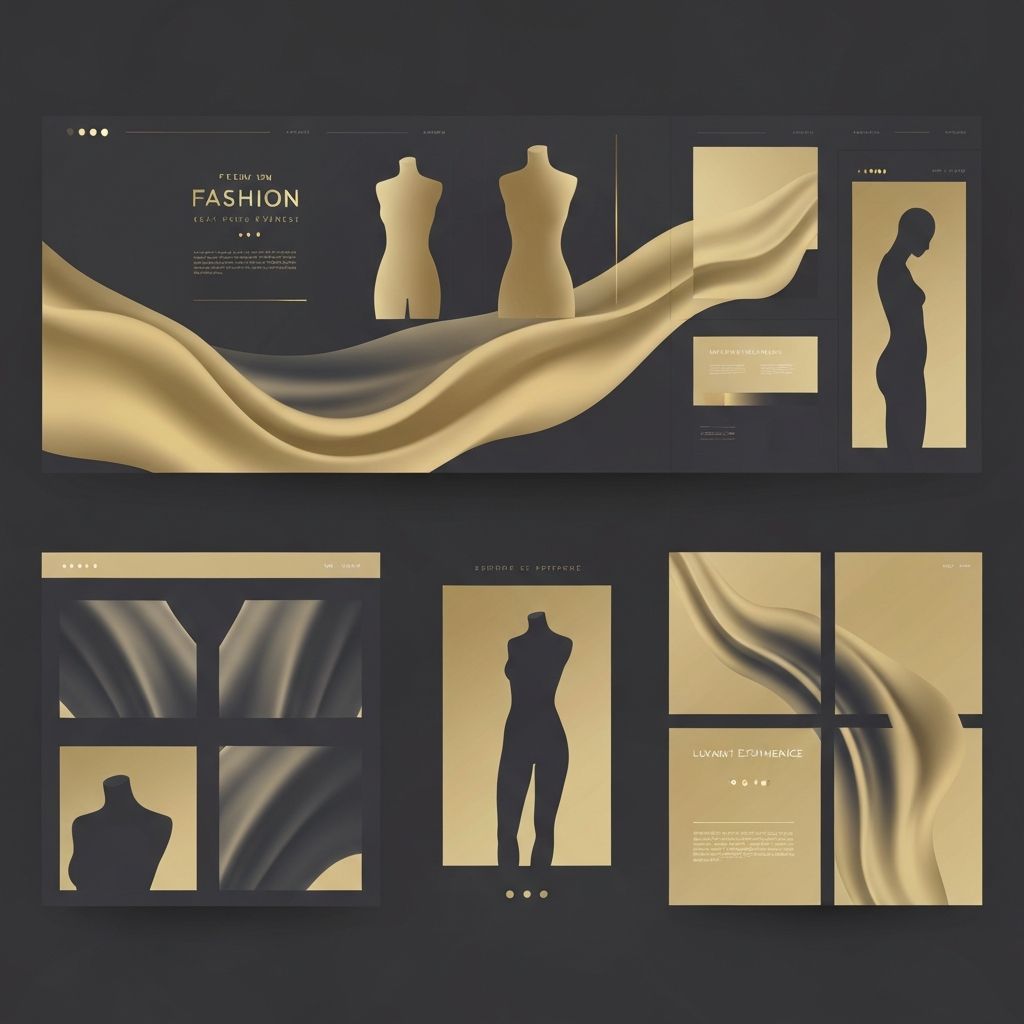
The Intersection of Fashion and Web Design
Fashion is inherently visual, emotional, and aspirational — and your website must capture all three to succeed in this competitive industry. Whether you run a luxury boutique, a streetwear label, an emerging designer brand, or an established fashion house, your website is the digital flagship store that shapes brand perception and drives sales. Web design for fashion goes beyond typical e-commerce; it's about crafting an immersive experience that mirrors the elegance of a high-end retail environment.
The best fashion websites blur the line between editorial and e-commerce, treating product pages like magazine spreads and homepages like gallery exhibitions. They make visitors feel something — desire, identity, belonging — long before they ever hit "add to cart."
Hire AAMAX.CO for Fashion Web Design Excellence
Crafting a fashion website that balances aesthetics with functionality requires specialized expertise. AAMAX.CO is a full-service digital marketing company that builds sophisticated fashion websites for brands worldwide. Their team blends creative website design with robust website development and integrated marketing strategies. They understand the nuances of fashion branding — from editorial photography integration to seamless mobile checkout — and deliver experiences that elevate brands and drive measurable revenue growth.
Defining Your Brand Aesthetic
Before any pixel is placed, fashion brands must define their visual identity. Are you minimalist and Scandinavian? Bold and avant-garde? Romantic and feminine? Streetwear-inspired? This identity should permeate every element of your website — from color palettes and typography to photography style and motion design. Consistency across all touchpoints builds recognition and trust.
Luxury brands typically embrace minimalism with abundant white space, serif typography, and subtle interactions. Streetwear brands often use bolder colors, edgy typography, and dynamic animations. Sustainable brands lean into earthy tones, natural textures, and storytelling-focused layouts. Identifying where you fit on this spectrum is the foundation of effective design.
Photography: The Heart of Fashion Web Design
In fashion, imagery is everything. Your photography budget should arguably exceed your design budget. Professional editorial-style photoshoots create the visual content that fills your homepage, lookbooks, and product pages. Lifestyle imagery showing garments in real-world contexts helps shoppers visualize themselves wearing your pieces. Detailed product shots with multiple angles, close-ups of fabric textures, and 360-degree views reduce purchase hesitation and returns.
Hero Sections and Lookbook Pages
The homepage hero section sets the tone for the entire experience. Many fashion brands use full-bleed video backgrounds or rotating editorial imagery to create immediate impact. Below the fold, lookbooks organize collections by season, theme, or campaign. These pages should feel curated, not cluttered — think of them as digital magazines.
Product Pages That Convert
Fashion product pages must balance aspiration with information. Include high-resolution imagery, detailed product descriptions, fabric and care information, sizing guides, and customer reviews. Features like "shop the look" suggestions, recently viewed items, and complete-the-look bundles increase average order value. Smart filtering by size, color, price, and style helps shoppers find exactly what they want quickly.
Mobile-First Shopping Experience
Fashion shoppers overwhelmingly browse on mobile devices. Your mobile experience must be flawless — fast-loading images, intuitive swipe navigation, simplified checkout, and integration with mobile wallets like Apple Pay and Google Pay. Sticky add-to-cart buttons, easy size selection, and one-tap reordering all contribute to higher conversion rates.
Typography and Color Strategy
Fashion typography often pairs an elegant serif (think Playfair Display or Cormorant) with a clean sans-serif (like Inter or Helvetica Neue) for a balanced look. Color palettes are typically restrained — black, white, and one or two accent colors that align with the brand identity. Seasonal collections may introduce temporary palette shifts that keep the site feeling fresh.
Performance and Loading Speed
Beautiful imagery comes at a cost: file size. Smart image optimization through formats like WebP and AVIF, lazy loading, and CDN delivery ensures your site loads quickly without sacrificing visual quality. Every second of delay reduces conversions, especially on mobile.
Storytelling and Editorial Content
The most successful fashion brands publish editorial content alongside their products. Behind-the-scenes videos, designer interviews, styling guides, and trend forecasts position your brand as a cultural authority, not just a retailer. This content drives organic traffic, builds community, and deepens customer loyalty.
Final Thoughts
Fashion web design is where art meets commerce. The brands that win invest in stunning photography, intuitive user experiences, and consistent brand storytelling across every touchpoint. In an industry defined by trends and transformation, your website must evolve continuously — staying fresh, relevant, and aspirational for the customers who carry your label into the world.
Want to publish a guest post on aamconsultants.org?
Place an order for a guest post or link insertion today.